7 principles for building better cities | Peter Calthorpe | TED
TL;DR
The speaker discusses the complexity of building cities for three billion people while addressing climate change and emphasizes the importance of shaping cities in a way that benefits the environment, society, and economy.
Transcript
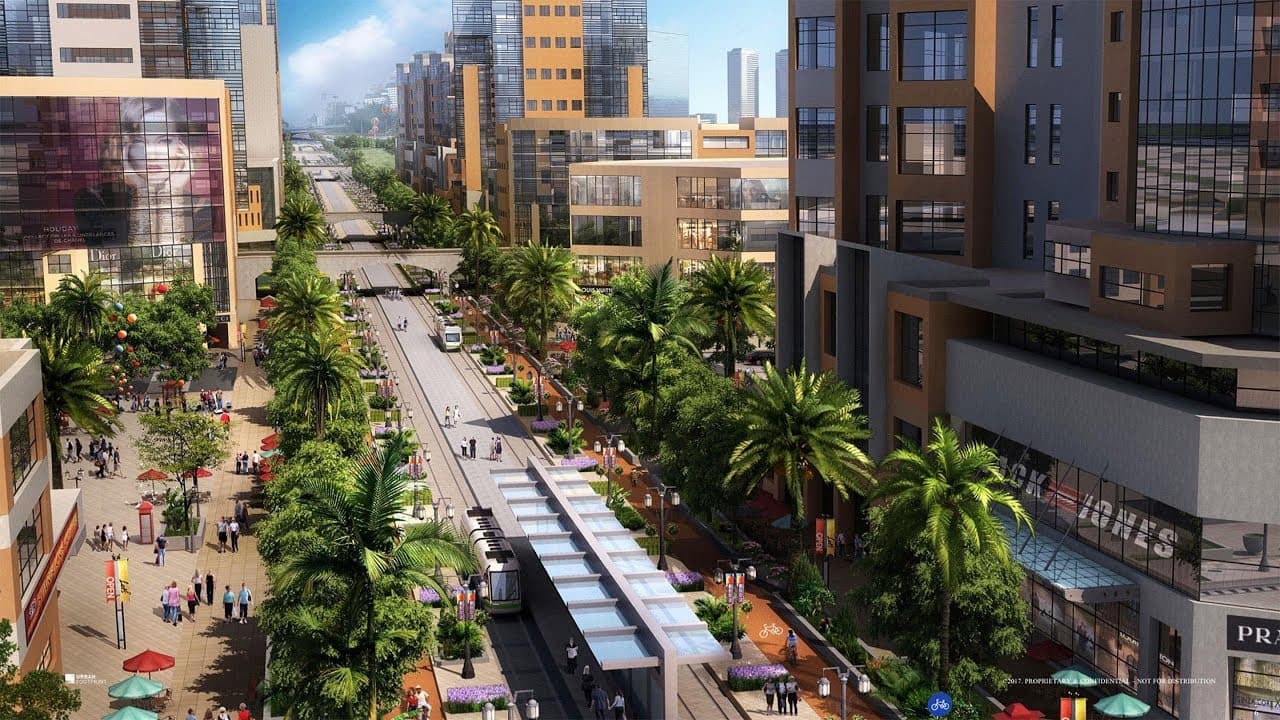
So, let me add to the complexity of the situation we find ourselves in. At the same time that we're solving for climate change, we're going to be building cities for three billion people. That's a doubling of the urban environment. If we don't get that right, I'm not sure all the climate solutions in the world will save mankind, because so much dep... Read More
Key Insights
- 🌍 Urban development is crucial in the fight against climate change and the future well-being of humanity, as cities shape our behavior and impact our environment, social connections, and economy.
- 🏙 Sprawl, which isolates and segregates people and separates them from nature, is a major issue that needs to be addressed in urban planning to create thriving, connected communities.
- ♻️ Sustainable city models, such as compact, mixed-use developments, have astounding benefits, including reduced land consumption, greenhouse gas emissions, and vehicle miles traveled, as well as improved air quality and lower household costs.
- ♀️ Transforming cities into transit-oriented environments with walkable neighborhoods, bike lanes, and accessible public transportation can lead to a healthier, more enjoyable urban experience.
- 🌿 Preserving natural environments, history, and agricultural land is essential in urban planning to maintain ecological balance and create livable, sustainable cities.
- 🚗 The widespread adoption of autonomous vehicles might lead to increased vehicle miles traveled and more congestion, potentially revitalizing sprawl and undermining progress in creating walkable, bike-friendly cities.
- 🌇 Implementing a hierarchy of transit and prioritizing investment in public transportation rather than expanding freeways is vital for reshaping the structure of cities and achieving sustainable urban environments.
- 💡 The positive shift in urban planning and the growing understanding of what makes a great city provide hope for the future, as people can connect the dots and shape political coalitions to create thriving communities worldwide.
Install to Summarize YouTube Videos and Get Transcripts
Explore YouTube Video Summarizer or Get YouTube Transcript Extractor
Questions & Answers
Q: How does the construction of cities impact climate change and the well-being of society?
The way cities are shaped has a significant impact on climate change, as well as social well-being, economic vitality, and community connectedness. It is crucial to get urban development right in order to address climate change effectively and ensure the overall well-being of society.
Q: What is sprawl and why is it problematic?
Sprawl refers to development patterns that isolate and segregate people into economic and land-use enclaves, separating them from nature and hindering interaction and cross-fertilization. Sprawl can occur at any density and is not limited to low-density development at the periphery of metropolitan areas. It is problematic because it leads to the isolation of individuals and hampers the creation of vibrant, thriving communities.
Q: What are the benefits of compact and mixed-use development?
Compact and mixed-use development offers numerous benefits. It reduces land consumption, decreases greenhouse gas emissions by minimizing car reliance, reduces vehicle miles traveled, improves air quality, and lowers household costs. It also provides opportunities for affordable housing and fosters a sense of community and walkability.
Q: How can urban planning principles contribute to better city design?
Urban planning principles focused on preserving the natural environment, promoting mixed-use development, prioritizing walking and biking, connecting communities, investing in public transit, and rethinking the city's hierarchy based on transit offer a framework for better city design. These principles have been embraced internationally and have the potential to shape cities and communities in a more sustainable and livable way.
Summary & Key Takeaways
-
Building cities for three billion people is a challenge that needs to be addressed alongside solving climate change.
-
Sprawl is a villain in the story of shaping cities, isolating and segregating people and hampering social and economic well-being.
-
The key to combating sprawl is developing compact, mixed-use environments that prioritize walking, biking, and transit over private vehicles.
Read in Other Languages (beta)
Share This Summary 📚
Summarize YouTube Videos and Get Video Transcripts with 1-Click
Try YouTube Summary with ChatGPT & Claude or YouTube Transcript Generator
Explore More Summaries from TED 📚




Summarize YouTube Videos and Get Video Transcripts with 1-Click
Try YouTube Summary with ChatGPT & Claude or YouTube Transcript Generator