Why Career Women Are UNATTRACTIVE To Most Men!
TL;DR
The discussion highlights men's preferences for less educated partners and the perceived gender roles in relationships.
Transcript
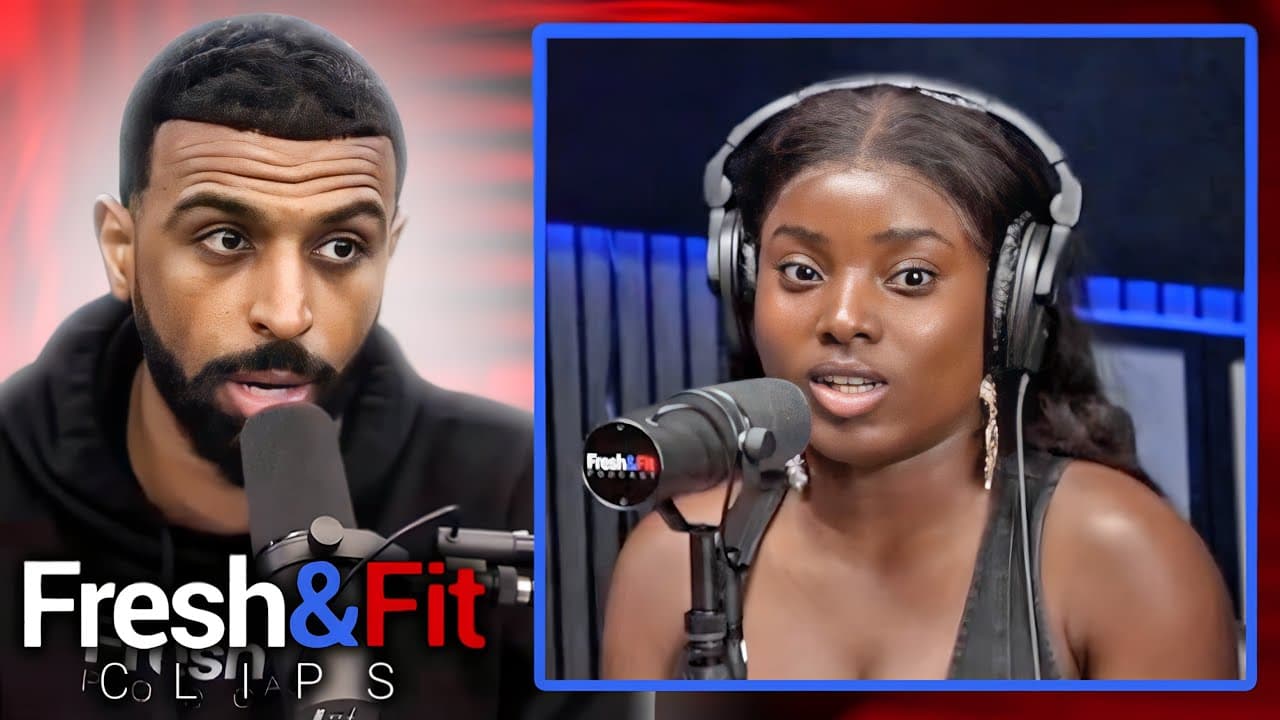
can I ask you a question yeah okay you right now would you um be with a uneducated woman or have kids with one right now yeah you sure you sure about that 100% are you really sure are you really sure cuz I'm pretty sure everybody educated educated woman stop for two seconds uhhuh do you think men are attracted to the same things that women are no o... Read More
Key Insights
- 😑 Many men in the discussion express a preference for less educated partners, linking it to traditional gender roles and dynamics.
- 👨👩👦 The view is that men often evaluate women based on nurturing capabilities and willingness to create a family rather than professional success.
- 🗯️ The conversation addresses the perceived inequity of rights, suggesting men may feel disadvantaged despite broader societal advancements toward gender equality.
- 💅 There's an assertion that modern feminism may overlook men’s viewpoint on desirability and traditional foundations of relationships.
- 🕵️♂️ Participants argue that personal attributes, such as physicality and ambition, are significant in shaping male identity and partner preferences.
- 💗 The discussion hints at a growing divide between traditional views on gender roles and challenges posed by modern feminist movements.
- 💅 Financial dynamics in romantic relationships are contested, with many believing that men should solely support their partners, thereby defining the relationship hierarchy.
Install to Summarize YouTube Videos and Get Transcripts
Explore YouTube Video Summarizer or Get YouTube Transcript Extractor
Questions & Answers
Q: Why do some men prefer women who are less educated or career-focused?
Some men believe that having a partner who is less career-driven or educated allows for a more traditional relationship dynamic, where they can assume the role of a provider and the woman can focus on family responsibilities. This perspective aligns with historical gender norms that prioritize male leadership and female nurturing roles.
Q: How do men's physical attributes influence relationship dynamics?
The discussion suggests that men perceive their physicality, strength, and ambitions as traits that make them more suitable leaders in relationships. They believe these attributes contribute to their desirability and justify seeking partners who embody different, more traditionally feminine qualities, thus reinforcing conventional gender expectations.
Q: What is the significance of education in modern relationships according to this conversation?
The participants argue that while education is often emphasized in societal discussions about equality, many men reportedly do not prioritize a woman's educational background when it comes to personal relationships. Instead, they often seek traits that reflect traditional gender roles, diminishing the relevance of education in attraction.
Q: How are societal expectations impacting modern dating?
The conversation highlights a tension between traditional expectations and contemporary views. Many men express a desire for relationships that adhere to traditional gender roles, where men are providers and women are caretakers, challenging modern feminist ideals that advocate for equality across all aspects, including financial contributions.
Q: What do the speakers mean by saying women have more rights and privileges than men?
They argue that modern women enjoy more opportunities and rights than men in various areas but that men's roles in society still demand them to be the leaders and providers. This perspective suggests frustration among some men regarding perceived discrepancies in expectations versus realities in gender roles.
Q: How does the speaker view the 50/50 split in relationships?
The speaker expresses a belief that relationships should not be based on a 50/50 financial split. They argue that men should bear the primary financial responsibility in a relationship, reflecting their commitment to traditional masculinity and leadership. This stance critiques modern dating practices that advocate for equal financial contributions.
Summary & Key Takeaways
-
The dialogue emphasizes men's preference for dating women who are less career-oriented or educated, suggesting it aligns with traditional gender roles.
-
Participants explore the argument that men prioritize physical traits and nurturing abilities over women's academic achievements in romantic contexts.
-
The conversation also touches on societal expectations, with a critique of modern feminism and how it clashes with traditional views on masculinity and relationships.
Read in Other Languages (beta)
Share This Summary 📚
Summarize YouTube Videos and Get Video Transcripts with 1-Click
Try YouTube Summary with ChatGPT & Claude or YouTube Transcript Generator
Explore More Summaries from FreshandFit 📚

Summarize YouTube Videos and Get Video Transcripts with 1-Click
Try YouTube Summary with ChatGPT & Claude or YouTube Transcript Generator