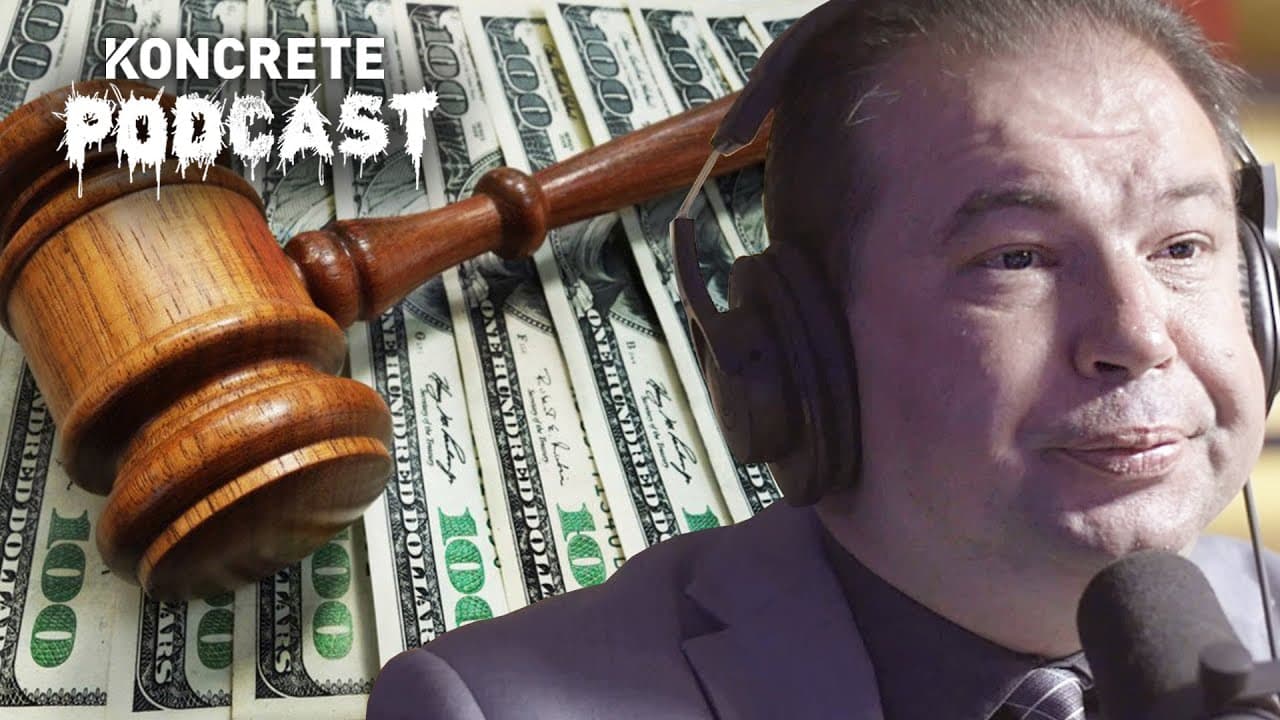
Is $24 Million Enough Compensation for 16 Years Wrongfully Imprisoned?
TL;DR
A $24 million settlement for 16 years wrongfully imprisoned is insufficient compensation considering the significant loss of life experiences and future earnings. Individuals like Jeffrey Deskovic argue that no amount can adequately make up for wrongful incarceration, highlighting the need for better support and reform in the justice system to prevent such injustices.
Transcript
so i walked over to this woman and she says to me uh you know she identifies herself as nina morrison who's um you know my attorney at the innocence project and when she said the items were tested you know that was something that kind of set off those alarms and i said to her what do you well what do you mean the items have been tested they're not ... Read More
Key Insights
- 😨 The experience of learning about impending release after a wrongful conviction is mentally overwhelming, involving disbelief and fear.
- 🏣 Adjusting back to life post-incarceration can be complicated by societal changes and personal stigmas associated with wrongful convictions.
- 😀 Wrongfully convicted individuals often face significant obstacles to receiving compensation and adjusting to a world that has drastically changed in their absence.
- 🗯️ Advocacy for policy reform is crucial to prevent wrongful convictions, including legislative changes around police interrogations and legal representation rights.
- 🖤 Many policies that protect against wrongful convictions are still lacking in effective implementation and oversight, indicating a need for systemic reform.
- ↩️ The personal journey from wrongful conviction to advocacy highlights the importance of turning trauma into purposeful action to affect change.
- 👨⚖️ Increased support and awareness for wrongful conviction advocacy can help rebuild the lives of those affected and drive community action toward justice reform.
Install to Summarize YouTube Videos and Get Transcripts
Explore YouTube Video Summarizer or Get YouTube Transcript Extractor
Questions & Answers
Q: What were your initial reactions when you were told you were going home after 16 years?
Initially, I was in disbelief and a state of mental paralysis. It took a while for the news to sink in because I had trouble reconciling my long imprisonment with the sudden suggestion of freedom. My thoughts were racing, and I struggled to focus on what the attorney was saying. The moment felt surreal, almost like a dream.
Q: How did your experience in prison affect your reintegration into society?
After being released, I found the world had changed drastically, with new technologies and social norms that I wasn’t familiar with. It was disorienting, and I felt out of place even among family members. The lengthy absence meant I had missed significant life events and had difficulty adjusting to everyday tasks that were now commonplace, which added to my sense of isolation.
Q: Can you explain the compensation process for wrongfully convicted individuals?
The compensation process can be lengthy and complex, depending on the state laws. It typically involves filing lawsuits against the state and/or the agencies involved in the wrongful conviction. For me, it took five years but ultimately resulted in a significant settlement amount, which allowed me to start my foundation dedicated to preventing wrongful convictions and supporting those still fighting for justice.
Q: What policy changes are you advocating for in the justice system?
I am currently advocating for several policies, including the mandatory videotaping of all police interrogations, the introduction of the Youth Interrogation Act to help minors understand their rights, and a challenging wrongful convictions act that would give people a right to an attorney during post-conviction proceedings.
Q: What personal experiences motivated you to fight for justice reform?
My wrongful conviction deeply instilled in me a sense of urgency to fight for justice reform. I witnessed firsthand the injustices within the system, such as coercive interrogations and inadequate legal representation. These experiences not only fueled my desire to advocate for changes to prevent wrongful convictions but also to address broader issues of humane treatment within the prison system.
Q: How does your foundation contribute to preventing wrongful convictions?
My foundation works actively on multiple fronts, including providing legal support for individuals facing wrongful convictions, advocating for policy reforms, and raising awareness about the systemic issues that lead to wrongful convictions. We are committed to increasing resources for investigations and legal representation for those in need.
Q: What challenges do you believe need more attention in the fight against wrongful convictions?
One major challenge is the lack of resources and the overwhelming number of cases that flaws in the system can create. Additionally, many who are wrongfully convicted come from vulnerable socio-economic backgrounds, lacking the necessary funds for adequate legal defense. Addressing these systemic inequalities should be a priority to ensure justice for all individuals, particularly those who are innocent.
Summary & Key Takeaways
-
The narrator recounts the moment he learned about his impending release after 16 years of wrongful incarceration, highlighting his mental paralysis and struggles to process the news.
-
After being released, he faced challenges adjusting to a world that had changed significantly, including technology advancements and social stigmas associated with his wrongful conviction.
-
The narrator now leads efforts through his foundation to reform the justice system, advocating for policy changes to prevent wrongful convictions and offer better support for the wrongfully accused.
Read in Other Languages (beta)
Share This Summary 📚
Summarize YouTube Videos and Get Video Transcripts with 1-Click
Try YouTube Summary with ChatGPT & Claude or YouTube Transcript Generator
Explore More Summaries from Danny Jones 📚


Summarize YouTube Videos and Get Video Transcripts with 1-Click
Try YouTube Summary with ChatGPT & Claude or YouTube Transcript Generator