Why Is the Pencil Considered a Perfect Tool?
TL;DR
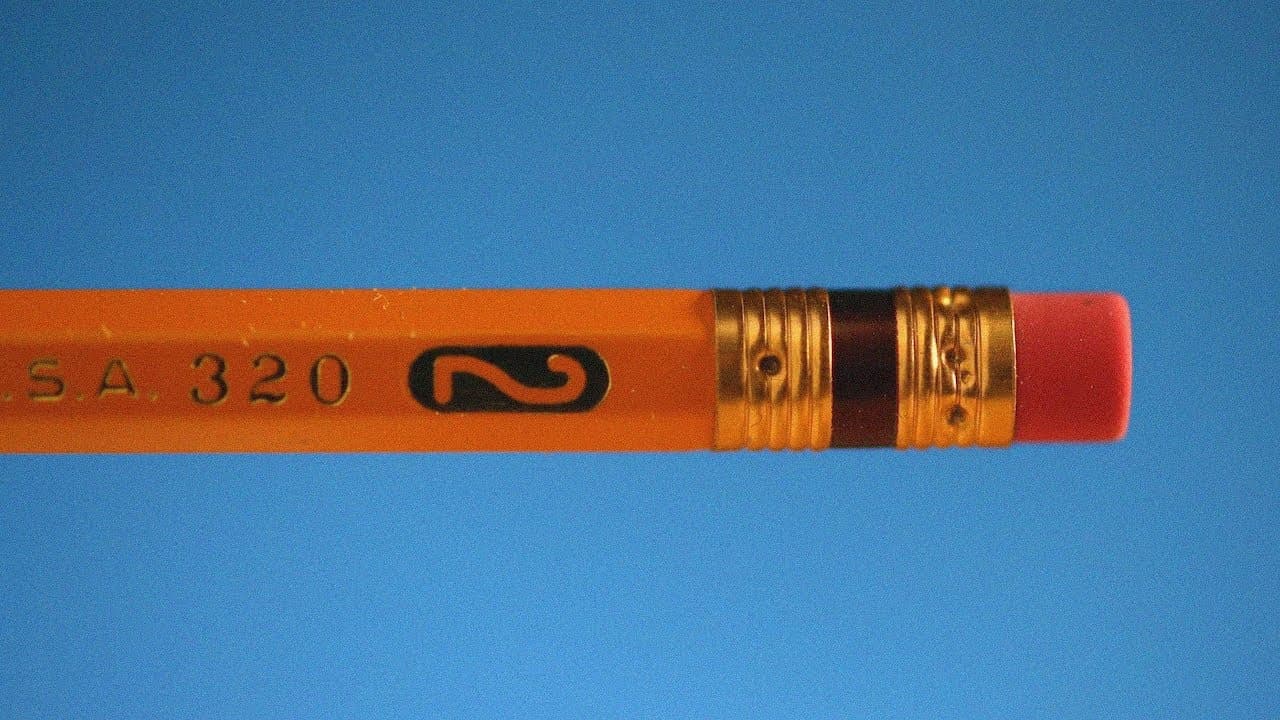
The pencil is deemed perfect due to its simple yet effective design, which has evolved over centuries through innovation and collaboration. Key features include its erasable graphite core, the introduction of standard grading for hardness, and the mechanization of production that established its iconic hexagonal shape. The combination of functionality, history, and unique tactile experience contributes to its enduring appeal.
Transcript
Translator: Krystian Aparta Reviewer: Camille Martínez The sound is a really big part, I think, of the experience of using a pencil, and it has this really audible scratchiness. (Scratching) [Small thing. Big idea.] [Caroline Weaver on the Pencil] The pencil is a very simple object. It's made of wood with some layers of paint an eraser and a core, ... Read More
Key Insights
- 🎨 The pencil's sound and tactile experience are important aspects of its overall appeal, creating a unique scratchiness that adds to the user's experience.
- 😌 The simplicity of the pencil, made of wood with layers of paint, an eraser, and a graphite core, is what makes it a perfect object, built over centuries of collaboration.
- 📜 The history of the pencil starts with the discovery of graphite and its diverse applications, leading to the development of the modern graphite core by Nicolas-Jacques Conté.
- ✍️ Henry David Thoreau introduced the grading scale for pencil hardness, with number two being the ideal grade for general use. Softer pencils contain more graphite, creating darker lines, while firmer ones have more clay, creating lighter lines.
- 🔧 American innovators mechanized the production of pencils, with Joseph Dixon playing a significant role in developing machines and establishing the hexagonal shape as the standard.
- ✏️ The ability to erase pencil marks evolved from using bread crumbs to rubber and pumice, but it was Hymen Lipman who patented the first pencil with an attached eraser in 1858, revolutionizing the pencil game.
- 💛 The KOH-I-NOOR 1500 was the world's first yellow pencil, painted with 14 coats of yellow paint and a 14-carat gold-dipped end, exemplifying the vast variety of pencils available.
- 📚 The Blackwing 602, favored by renowned writers such as John Steinbeck and Vladimir Nabokov, and the Dixon Ticonderoga, synonymous with the idea of a pencil and school, are just two examples of the countless pencil stories that exist.
- 💡 The pencil, with its enduring design, has remained unchanged for centuries, and to many, it is already perfect, serving its purpose flawlessly.
Install to Summarize YouTube Videos and Get Transcripts
Explore YouTube Video Summarizer or Get YouTube Transcript Extractor
Questions & Answers
Q: How is a pencil made?
A pencil is made of wood with layers of paint, an eraser, and a core made of graphite, clay, and water. It took hundreds of people over centuries to come up with this design, making it the perfect object due to its long history of collaboration.
Q: Where did the story of the pencil begin?
The story of the pencil began with the discovery of graphite. People started cutting it into small sticks and selling them on the streets of London for writing and drawing purposes. Farmers and shepherds also used graphite to mark their animals.
Q: What method was used to create a strong graphite core for pencils?
Nicolas-Jacques Conté from France discovered a method of grinding graphite, mixing it with powdered clay and water to create a paste. This paste was filled into a mold and fired in a kiln, resulting in a strong graphite core that was not breakable and provided a smooth writing experience.
Q: Who developed the grading scale for different hardnesses of pencils?
Henry David Thoreau from Concord, Massachusetts, developed the grading scale for different hardnesses of pencils. He introduced a grading system from one to four, with number two being considered the ideal hardness for general use. the softer a pencil, the more graphite it contains, resulting in a darker and smoother line.
Q: What was the significance of the first pencil with an attached eraser?
In 1858, Hymen Lipman patented the first pencil with an attached eraser, which revolutionized the pencil industry. This innovation allowed users to easily erase their pencil marks, replacing the previous methods of scratching away marks with bread crumbs or using rubber and pumice.
Summary & Key Takeaways
-
The sound of using a pencil, with its audible scratchiness, is a significant part of the experience.
-
The pencil is a simple object made of wood, paint, an eraser, and a graphite core that has evolved over centuries of collaboration.
-
The pencil's history includes the discovery of graphite, the development of a strong graphite core, the grading scale for different hardnesses, and the mechanization of production.
Read in Other Languages (beta)
Share This Summary 📚
Summarize YouTube Videos and Get Video Transcripts with 1-Click
Try YouTube Summary with ChatGPT & Claude or YouTube Transcript Generator
Explore More Summaries from TED 📚




Summarize YouTube Videos and Get Video Transcripts with 1-Click
Try YouTube Summary with ChatGPT & Claude or YouTube Transcript Generator