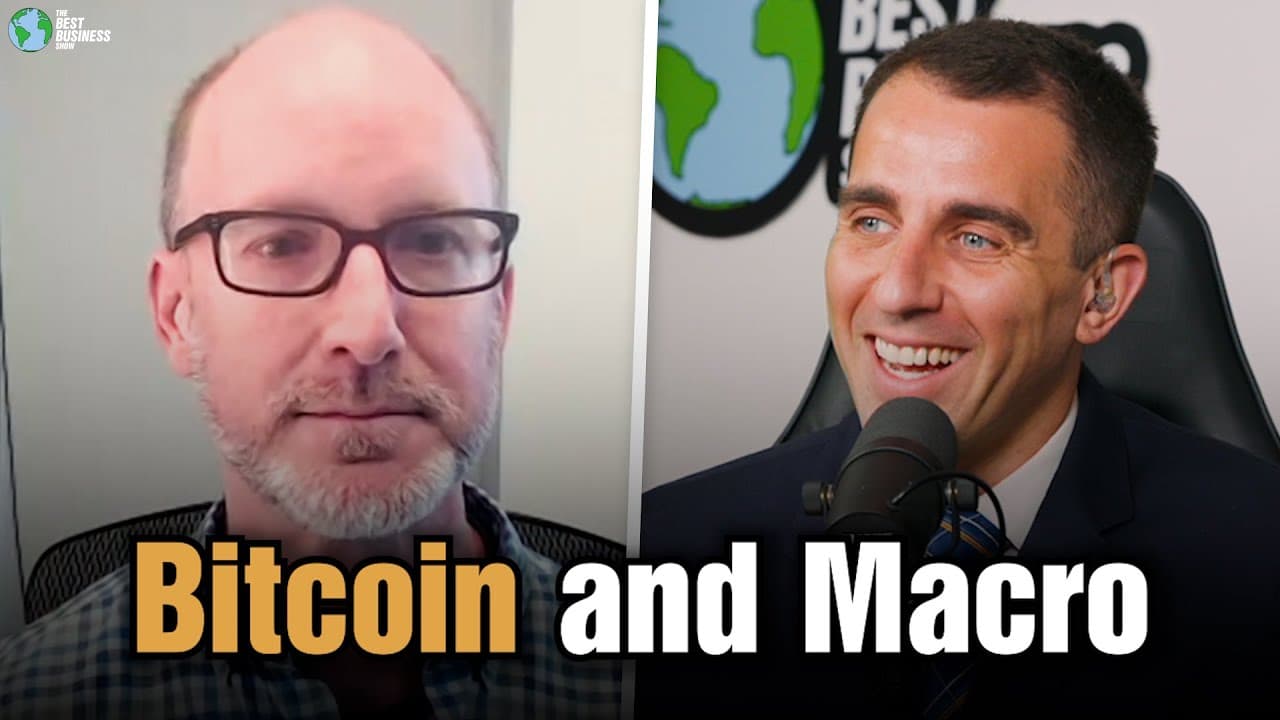
The Macro Environment Of Bitcoin | Brent Donnelly | Full Interview
TL;DR
Discussion on inflation hedges and the impact of monetary policy on assets.
Transcript
brent how are you hey i'm great how are you i'm doing fantastic let's just jump right into uh the difference between being a hedge against inflation versus a hedge against loose monetary policy forget bitcoin for a second like what's the difference in those two things because it's somewhat nuanced but important sure so really the difference is that... Read More
Key Insights
- 🦔 Hedging strategies should prioritize assets resilient to policy changes, distinguishing between inflation hedges and those impacted by monetary policy.
- 😮 Speculative assets typically benefit from loose monetary policies but face risks when central banks react to rising inflation.
- 🌱 A cyclical understanding of monetary policy is critical for navigating market transitions and planning investment strategies.
- *️⃣ Liquidations can exacerbate market volatility, particularly during key calendar points, emphasizing the need for risk management.
- 🦮 Forecasts indicate that caution should guide investor sentiment while waiting for favorable market conditions, especially in cryptocurrencies.
- 🥺 The current MMT approach may lead to long-term inflationary pressures without fiscal discipline, affecting future asset values.
- 😐 Interest rates are expected to stabilize once neutral levels are hit, but the Fed may delay returning to loose policies due to inflation concerns.
Install to Summarize YouTube Videos and Get Transcripts
Explore YouTube Video Summarizer or Get YouTube Transcript Extractor
Questions & Answers
Q: What is the main difference between hedging against inflation and loose monetary policy?
Hedging against inflation focuses on assets that retain value as prices rise, such as commodities and bonds. In contrast, loose monetary policy often affects riskier, volatile assets like Bitcoin, which may not perform well when inflation prompts tighter monetary action. Speculative assets may thrive during loose policies but struggle once policies shift to combat inflation.
Q: How do liquidations impact market behavior during downturns?
Liquidations force sellers to adjust their positions without regard for market conditions, often occurring at significant monthly or quarterly calendar points. This creates additional bearish pressure on asset prices, especially in speculative markets, leading to further volatility while also influencing sentiment and overall trading dynamics.
Q: What are the expected market conditions for cryptocurrencies in the coming months?
The speaker anticipates a cautious optimism for cryptocurrencies, suggesting that after navigating current challenges, a more favorable market environment may emerge in July. This reinforces the strategy of capitalizing on potential dips while remaining aware of broader monetary policies that could affect price movements.
Q: How does macroeconomic policy affect Bitcoin as an investment?
Bitcoin is viewed as a hedge against continued fiscal spending and monetary policy that may dilute currency value. If expansive policies prevail, Bitcoin could appreciate significantly over time, reinforcing its role as a hard asset amid rising inflation and currency debasement.
Q: What investment strategies are advised during periods of high volatility and liquidation risk?
A recommended strategy is to scale purchases over several days to mitigate pressures from volatility, with stop-loss orders in place to protect against significant downturns. This allows for opportunistic buying while managing risk more effectively during unpredictable market swings.
Q: Why does the speaker believe that the current MMT policies will persist?
The speaker argues that MMT lacks a clear limiting factor, thus supporting continuous fiscal expansion without prior concern for deficits. They believe that the political climate favors spending, leading them to predict that such policies will remain entrenched for the long term due to insufficient political will to retract spending initiatives.
Q: What is the likely long-term trajectory of interest rates according to the discussion?
The analysis suggests that interest rates may continue to rise until reaching a neutral level, after which they will likely pause in response to economic weaknesses. The Fed may hesitate to cut rates quickly owing to previous experiences of inflation, resulting in a prolonged period of stabilizing without aggressive monetary easing.
Q: How should investors approach their tactics in a bear market for crypto assets?
Investors should focus on scaling into positions gradually, identifying key price levels while also remaining aware of broader market risks. A disciplined approach, including setting clear stop-loss orders and focusing on long-term horizons, can help investors navigate the inherent volatility of bear markets.
Summary & Key Takeaways
-
The content explores the distinction between assets that hedge against inflation and those that respond to loose monetary policies, emphasizing the roles of commodities and bonds during inflation.
-
It discusses the cyclical nature of monetary policy and its implications for speculative assets like Bitcoin, positioning them within a larger economic framework influenced by fiscal policy and structural changes.
-
The speaker shares their outlook on Bitcoin's market behavior, strategies for investing amidst volatility, and macroeconomic forecasts related to monetary policy.
Read in Other Languages (beta)
Share This Summary 📚
Summarize YouTube Videos and Get Video Transcripts with 1-Click
Try YouTube Summary with ChatGPT & Claude or YouTube Transcript Generator
Explore More Summaries from Anthony Pompliano 📚

Summarize YouTube Videos and Get Video Transcripts with 1-Click
Try YouTube Summary with ChatGPT & Claude or YouTube Transcript Generator