What Does Bret Easton Ellis's Less Than Zero Critique?
TL;DR
Bret Easton Ellis's novel Less Than Zero critiques 1980s consumerism and cultural apathy, portraying a morally bankrupt society through the eyes of its detached protagonist, Clay. The narrative confronts readers with the brutal realities of loneliness and nihilism, prompting reflection on the values of contemporary culture and the persistence of these issues today.
Transcript
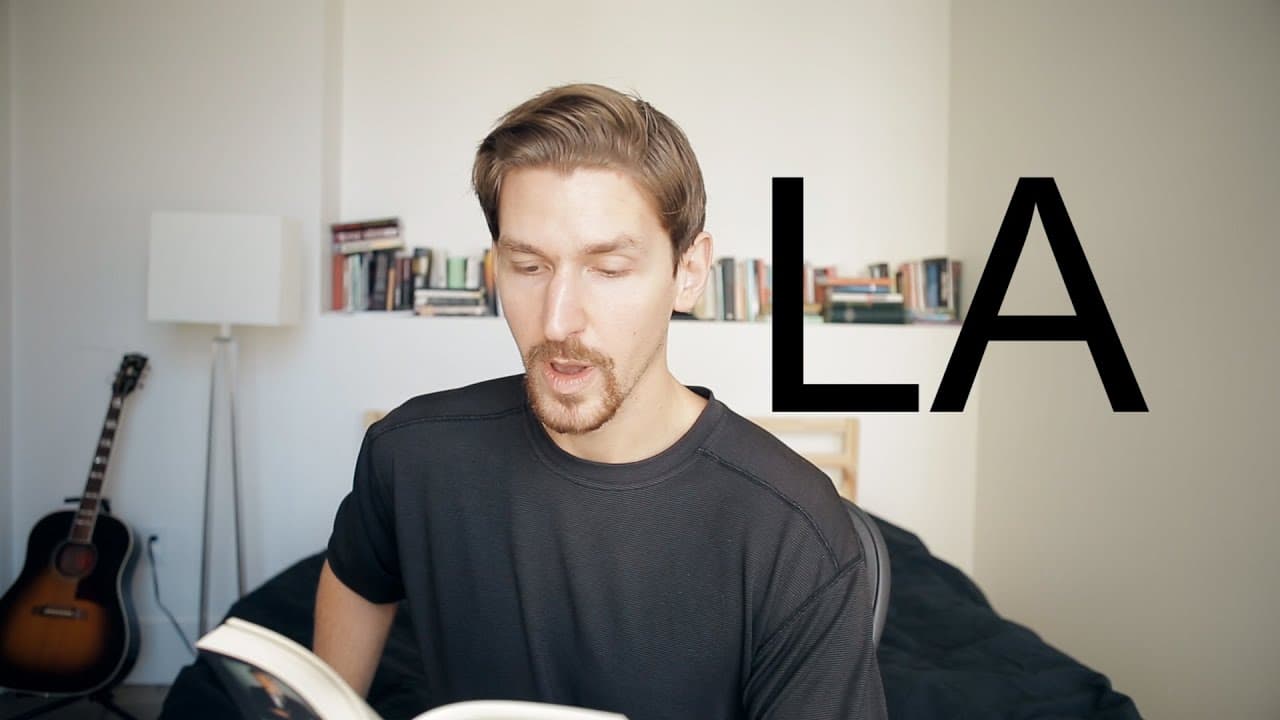
good morning everybody welcome to better than food book reviews I'm your host Clifford Lee Sargent and I have already had far far too much caffeine but it's a beautiful morning here in Los Angeles it's good to see you let's talk about some books there is a deeply uncomfortable feeling that sinks into me when I read passages from less than zero by B... Read More
Key Insights
- ❓ Bret Easton Ellis's novel Less Than Zero critiques consumerism and societal decay.
- ✍️ The detached writing style in Less Than Zero enhances the portrayal of nihilistic characters.
- 🕶️ Less Than Zero prompts readers to reflect on the dark truths of a culture devoid of values.
- 🇨🇫 Themes of apathy, immediate gratification, and moral abandonment are central to the critique in Less Than Zero.
- ❓ The relevance of Less Than Zero extends to modern society, highlighting persistent issues of consumerism and detachment.
- 😌 The novel's impact lies in its ability to prompt readers to confront societal decay and question the values of contemporary culture.
- 🛟 Less Than Zero serves as a cultural critique challenging readers to examine the consequences of apathy and moral abandonment.
Install to Summarize YouTube Videos and Get Transcripts
Explore YouTube Video Summarizer or Get YouTube Transcript Extractor
Questions & Answers
Q: How does Less Than Zero critique consumerism and apathy?
Less Than Zero critiques consumerism by portraying characters consumed by apathy, immediate gratification, and moral abandonment. The novel showcases a society devoid of substance, forcing readers to confront the dark truths of societal decay.
Q: What is the significance of Bret Easton Ellis's writing style in Less Than Zero?
Ellis's detached writing style in Less Than Zero adds to the novel's portrayal of nihilism, as characters navigate a world of moral abandonment with a sense of detachment. This style prompts readers to reflect on the consequences of a culture devoid of values.
Q: How does Less Than Zero resonate with modern readers?
Less Than Zero's critique of consumerism and societal decay remains relevant today, reflecting themes of apathy, immediate gratification, and moral abandonment that are still prevalent in contemporary culture. The novel's exploration of these issues prompts readers to question the values of their own society.
Q: What is the cultural impact of Less Than Zero?
Less Than Zero's portrayal of a consumerist culture and its critique of societal values has sparked discussions about the consequences of apathy, immediate gratification, and moral abandonment. The novel's themes resonate with readers, prompting reflection on contemporary societal issues.
Summary & Key Takeaways
-
Less Than Zero by Bret Easton Ellis critiques a consumerist culture with themes of apathy, immediate gratification, and moral abandonment.
-
The novel follows Clay, a young protagonist navigating a nightmarish world in Los Angeles, portraying a society devoid of substance.
-
Ellis's detached writing style and portrayal of nihilistic characters prompt readers to confront the dark truths of societal decay.
Read in Other Languages (beta)
Share This Summary 📚
Summarize YouTube Videos and Get Video Transcripts with 1-Click
Try YouTube Summary with ChatGPT & Claude or YouTube Transcript Generator
Explore More Summaries from Better Than Food 📚





Summarize YouTube Videos and Get Video Transcripts with 1-Click
Try YouTube Summary with ChatGPT & Claude or YouTube Transcript Generator