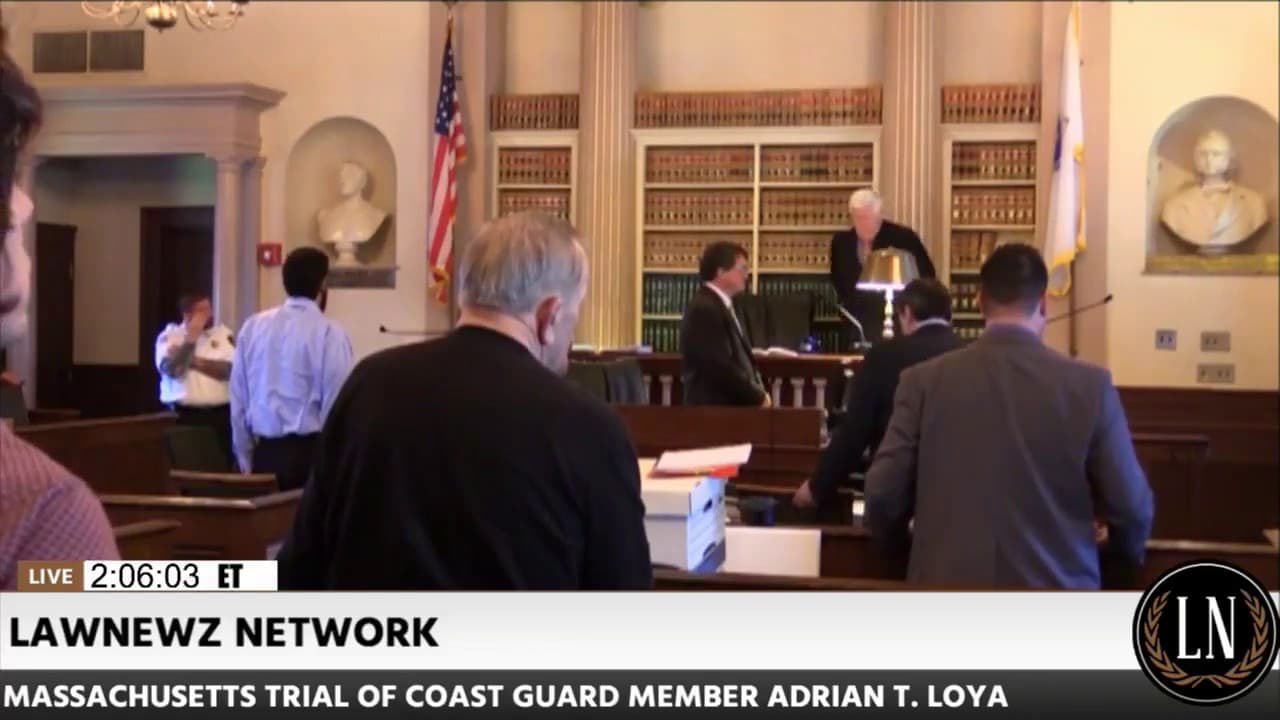
Adrian Loya Trial Day 4 Part 2 Medical Examiner Testifies Testify
TL;DR
Detailed forensic analysis testimony including wound descriptions, projectile identification, and ammunition examination.
Transcript
sure is entering all rise please Court is now in session please be seated if we could have dr. sane please okay doctor before lunch we were going through the moons to catalogue doesn't it to continue with that before we do that can you note on the board the number of the wounds as you catalogue them yes I made these stuff down please okay and I see... Read More
Key Insights
- ❓ Detailed forensic analysis involves cataloging gunshot wounds, examining projectiles, and identifying ammunition.
- ❤️🔥 Ballistics examinations include test-firing weapons and matching unique marks on projectiles to firearms.
- 🖐️ Recovered evidence such as firearms, magazines, ammunition, and spent casings play a crucial role in forensic investigations.
- 💁 The testimony of experts such as Dr. Sane and Lt. Walsh provides essential information for understanding crime scene evidence.
- 🍻 Identifying and analyzing projectiles help establish the link between firearms and crimes.
- 👻 Test-firing weapons allows for the comparison of unique marks on spent casings and bullets from crime scenes.
- 📌 The examination of items found at various locations related to the crime provides valuable insights for forensic analysis.
Install to Summarize YouTube Videos and Get Transcripts
Explore YouTube Video Summarizer or Get YouTube Transcript Extractor
Questions & Answers
Q: How did Dr. Sane catalog and describe the gunshot wounds during the forensic analysis?
Dr. Sane meticulously cataloged and described each gunshot wound, identifying the entry and exit points, as well as the presence or absence of projectiles or fragments.
Q: What is the significance of identifying ammunition and spent casings at the crime scene?
Identifying and collecting ammunition and spent casings provides crucial forensic evidence to link firearms to the crime and establish the trajectory of bullets fired.
Q: How does Lt. Walsh test-fire weapons and analyze projectiles during ballistics examinations?
Lt. Walsh test-fires weapons in a controlled environment and uses microscopy to match unique marks on projectiles with the firearms that fired them.
Q: What discoveries were made during the examination of the items found at various locations related to the crime?
The examination revealed firearms, magazines, live ammunition, spent casings, and projectiles, providing insights into the weapons used in the crime and the trajectory of bullets.
Summary & Key Takeaways
-
Dr. Sane provides detailed descriptions of gunshot wounds, projectiles, and ammunition recovered from the victim's body.
-
Lt. Walsh explains ballistics methodology, test firing of weapons, and ammunition identification from crime scenes.
-
Evidence includes firearms, magazines, live ammunition, and spent casings found at various locations linked to the crime.
Read in Other Languages (beta)
Share This Summary 📚
Summarize YouTube Videos and Get Video Transcripts with 1-Click
Try YouTube Summary with ChatGPT & Claude or YouTube Transcript Generator
Explore More Summaries from Law&Crime Network 📚

Summarize YouTube Videos and Get Video Transcripts with 1-Click
Try YouTube Summary with ChatGPT & Claude or YouTube Transcript Generator