Davos Annual Meeting 2010 - Rethinking Trade and Climate Change

TL;DR
Exploring the alignment of trade and climate agreements for low-carbon growth and resolution of conflicts.
Transcript
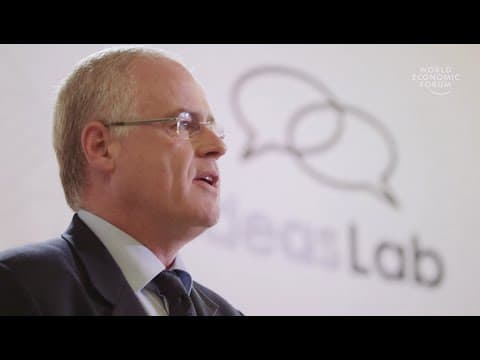
Robert Z. Lawrence, Albert L. Williams Professor of Trade and Investment, John F. Kennedy School of Government, Harvard University, USA: Well, good afternoon and welcome to this session on climate change and the trading system. As you must've undoubtedly heard by now, the World Economic Forum has an initiative in which they are trying to improve... Read More
Key Insights
- 😘 Global efforts are focused on aligning trade and climate agreements to drive low-carbon growth and mitigate conflicts.
- 🪡 Challenges such as competitiveness concerns, environmental impacts, and technology transfer need to be addressed in a transparent and collaborative manner.
- 🦔 Border adjustment measures can be a double-edged sword, offering protection against unfair trade practices but also risking the escalation of protectionism.
Install to Summarize YouTube Videos and Get Transcripts
Explore YouTube Video Summarizer or Get YouTube Transcript Extractor
Questions & Answers
Q: How can trade and climate agreements be aligned to promote low-carbon growth?
Trade and climate agreements can be aligned by establishing common goals, differentiated responsibilities, and removing barriers to the flow of goods and services relevant to climate change adaptation and mitigation.
Q: What are the potential impacts of border adjustment measures in trade agreements?
Border adjustment measures can address concerns of competitiveness and environmental leakage, but may also lead to protectionism and unfair trade practices if not implemented transparently and based on internationally recognized standards.
Q: How can technology transfer be facilitated between countries to enhance climate mitigation efforts?
Technology transfer can be facilitated through international cooperation, financial support for developing countries, and the establishment of clear regulatory frameworks for the dissemination of eco-friendly technologies.
Q: What role can the WTO play in addressing the challenges related to trade and climate change interactions?
The WTO can provide a platform for transparent negotiations, dispute resolution, and the development of rules that balance trade interests with environmental sustainability objectives, ensuring fair and equitable outcomes for all member states.
Summary & Key Takeaways
-
The session discussed the relationship between the trading system and climate change, aiming to align trade and climate agreements for low-carbon growth.
-
Challenges discussed include the need for global agreements on environmental issues, the potential for trade to drive climate mitigation, and the importance of technology transfer.
-
Issues raised involved concerns about border adjustment measures, competitiveness, environmental impacts, and the need for transparent frameworks for trade and environmental standards.
Read in Other Languages (beta)
Share This Summary 📚
Summarize YouTube Videos and Get Video Transcripts with 1-Click
Try YouTube Summary with ChatGPT & Claude or YouTube Transcript Generator
Explore More Summaries from World Economic Forum 📚
Summarize YouTube Videos and Get Video Transcripts with 1-Click
Try YouTube Summary with ChatGPT & Claude or YouTube Transcript Generator