How Can We End Plastic Waste Effectively?
TL;DR
To effectively end plastic waste, Andrew Forrest proposes charging a small fee on virgin plastic sales to fund the transition from fossil fuel-based to recycled plastic. This approach not only addresses environmental damage but also creates economic opportunities for millions involved in recycling, particularly in impoverished areas. Collaboration with resin producers and public participation is essential for success.
Transcript
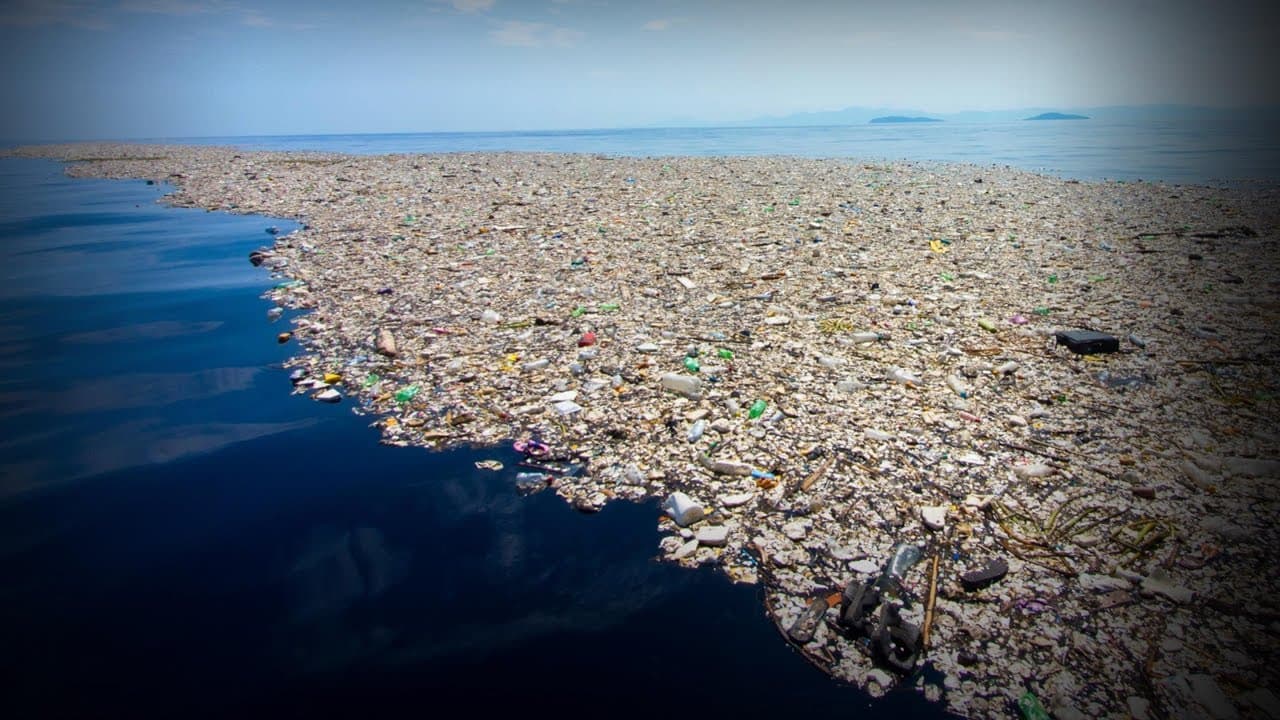
Chris Anderson: So, you've been obsessed with this problem for the last few years. What is the problem, in your own words? Andrew Forrest: Plastic. Simple as that. Our inability to use it for the tremendous energetic commodity that it is, and just throw it away. CA: And so we see waste everywhere. At its extreme, it looks a bit like this. I mean, w... Read More
Key Insights
- 💔 Plastic waste is a major problem that is causing severe environmental damage, particularly in Southeast Asia where rivers and oceans are filled with plastic waste.
- 💀 Plastic waste is not just an eyesore, but it is causing the death of millions, if not trillions, of marine life and mammals due to fragmentation and the release of harmful pollutants.
- 💥 Plastic waste is not stable and never truly breaks down, instead, it becomes smaller and smaller, eventually turning into nanoplastic that can enter our bodies through the skin and blood-brain barrier, carrying harmful pathogens and toxins.
- 🐟 There are already approximately 600 plastic bags for every fish in the ocean, and the problem is expected to worsen with devastating consequences if immediate action is not taken.
- 🌍 The Ellen MacArthur Foundation predicts that by 2025, there will be one ton of plastic for every three tons of fish, emphasizing the urgent need to address this issue.
- 💡 Andrew Forrest proposes a solution that involves increasing the value of recycled plastic and creating a fund that can be used to transition the global plastics industry from using fossil-fuel-based plastic to recycled plastic.
- 🌱 This solution not only tackles the plastic waste problem but also creates economic opportunities for ragpickers and others involved in recycling, especially in impoverished regions.
- 💰 Philanthropy and public participation are key to the success of this solution. It requires the involvement of major resin producers, brands, consumers, and transparency to ensure accountability and protect the environment.
Install to Summarize YouTube Videos and Get Transcripts
Explore YouTube Video Summarizer or Get YouTube Transcript Extractor
Questions & Answers
Q: What is the problem that Andrew Forrest has been obsessed with over the last few years?
The problem that Andrew Forrest has been obsessed with is plastic. He is concerned about our inability to use it as an energetic commodity and instead just throw it away.
Q: Where does plastic end up when it is thrown into rivers?
When plastic is thrown into rivers, it eventually ends up in the ocean.
Q: What is happening to plastic in the oceans?
In the oceans, plastic is breaking down into smaller fragments. These fragments, known as nanoplastic, can carry negative charges and have the ability to go through the skin's pores and even the blood-brain barrier, carrying harmful elements such as toxins and pathogens.
Q: Why is plastic a problem for the environment?
Plastic is an incredibly harmful substance for the environment because it never stops being plastic once it enters the environment. It continues to break down into smaller fragments, causing ecological damage. The breaking science suggests that these nanoplastic particles can carry harmful elements into the body.
Q: What does the future hold if we don't address the issue of plastic waste?
If we don't address the issue of plastic waste, it is predicted that by 2025, there will be one ton of plastic for every three tons of fish in the ocean. This can have devastating consequences for marine life and the overall health of our oceans.
Q: How does Andrew Forrest propose to tackle the issue of plastic waste?
Andrew Forrest's proposal is to raise the value of recycled plastic by charging slightly more for virgin plastic, creating a fund that would be used to transition the entire global plastics industry to using recycled plastic building blocks instead of fossil fuel-based ones.
Q: What role does philanthropy play in Andrew Forrest's plan?
Andrew Forrest plans to commit his own wealth to kickstart the project and create transparency so that everyone can see who is contributing to the fund and who isn't. Philanthropy will play a role in underwriting the transparency efforts for five years.
Q: What can individuals do to support Andrew Forrest's plan?
Individuals can visit the website noplasticwaste.org and contact their regional resin producers to urge them to make a contribution to the fund for transitioning the plastics industry to using recycled plastic. The goal is to raise tens of billions of dollars per year to clean up the environment and create a regenerative economy.
Summary & Key Takeaways
-
Plastic waste is a major problem, causing pollution in rivers and oceans and negatively impacting marine life and human health.
-
The solution proposed by Andrew Forrest is to create a fund that charges a small fee on the sale of virgin plastic, which can be used to transition the industry to using recycled plastic as a building block.
-
This solution not only helps address the plastic waste problem but also creates economic opportunities for millions of people involved in recycling and waste management.
Read in Other Languages (beta)
Share This Summary 📚
Summarize YouTube Videos and Get Video Transcripts with 1-Click
Try YouTube Summary with ChatGPT & Claude or YouTube Transcript Generator
Explore More Summaries from TED 📚






Summarize YouTube Videos and Get Video Transcripts with 1-Click
Try YouTube Summary with ChatGPT & Claude or YouTube Transcript Generator