Camping on Sea Ice with Whale Hunters | Podcast | Overheard at National Geographic
TL;DR
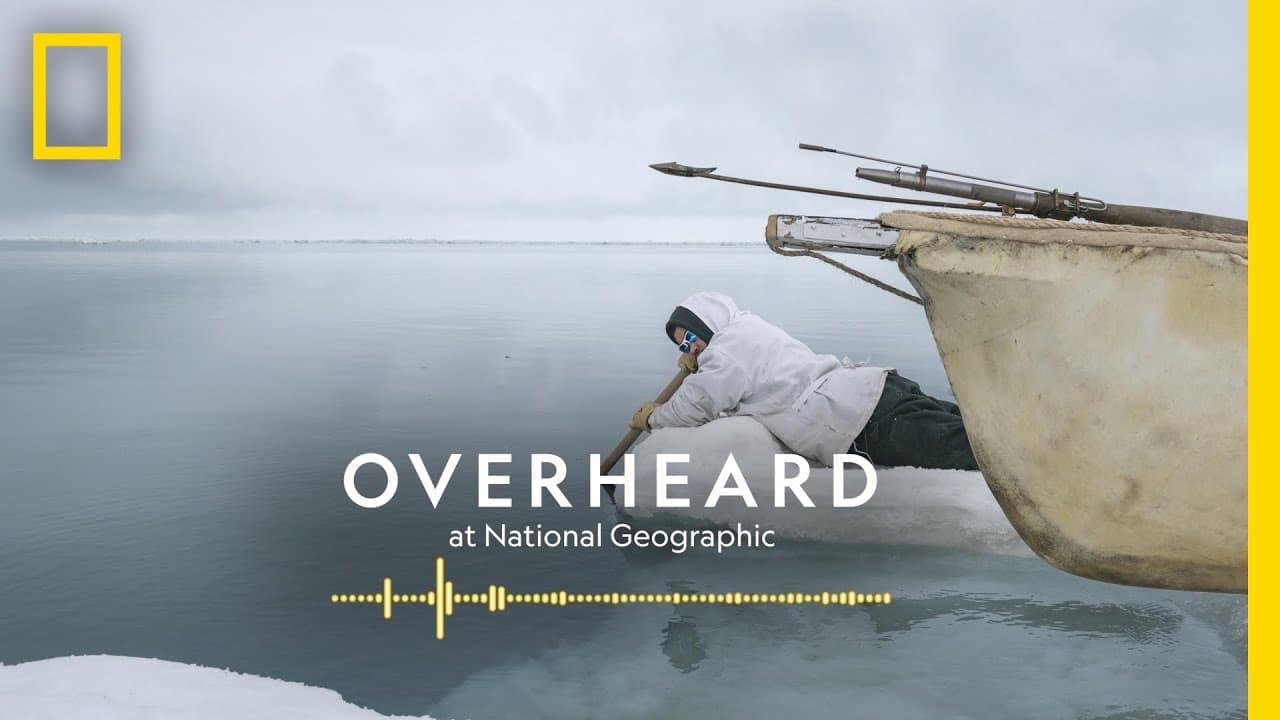
Photographer Keely Wean documents dangerous Arctic whaling traditions threatened by climate change.
Transcript
an evo is an amazing word for something terrifying it is when the pack ice that is floating on the other side of the ocean gets pushed by the wind and it comes in and impacts the ice that we're standing on this is photographer keely wean in 2018 he was on his first national geographic assignment north of the arctic circle near utkayakvik alaska he ... Read More
Key Insights
- 🐳 Inupiaq communities in northern Alaska rely on whale hunting for essential nutrients due to limited access to fruits and vegetables.
- 🐳 Climate change is threatening Arctic traditions like Inupiaq whale hunting by altering the environment and impacting whale populations.
- 😀 Photographer Keely Wean's experiences highlight the dangers and challenges faced by those documenting Arctic whaling rituals.
- 🫡 The cultural traditions of the Inupiaq people are deeply interconnected with the land and sea, reflecting their respect for nature.
- 🏛️ Building trust and spending extensive time within indigenous communities is crucial for journalists like Keely Wean to accurately share their stories.
- 🐻❄️ The complex relationship between humans and wildlife in the Arctic, like encounters with polar bears, is influenced by environmental changes.
- 👯 The Inupiaq people's resilience in adapting to changing climates and preserving their traditions showcases their commitment to cultural heritage.
Install to Summarize YouTube Videos and Get Transcripts
Explore YouTube Video Summarizer or Get YouTube Transcript Extractor
Questions & Answers
Q: How do Inupiaq communities rely on whale hunting for sustenance?
Inupiaq communities heavily depend on whale meat, known as muktak, for essential nutrients and vitamins due to limited access to fruits and vegetables in their region. Whale hunting is not just about food; it's also a spiritual and cultural tradition for the Inupiaq people.
Q: How has climate change affected Arctic whale hunting traditions?
Climate change has led to the melting of Arctic ice, disrupting whale migration patterns and making hunting more challenging for the Inupiaq people. The receding ice has created more distance between the hunters and the whales, impacting their ability to access this vital food source.
Q: Why do the Inupiaq have strategies to ensure sustainable whale hunting practices?
The Inupiaq have developed tactics to prevent overharvesting and ensure sustainable whale hunting. They avoid hunting pregnant females, regulate hunting seasons, and limit the size of their catch to maintain a healthy whale population for future generations.
Summary & Key Takeaways
-
Photographer Keely Wean recounts his experiences documenting Inupiaq whale hunting rituals in the Arctic, facing dangers like ice cracks and polar bear attacks.
-
The Inupiaq people depend on whale meat for sustenance due to limited access to fruits and vegetables in northern Alaska.
-
Climate change is altering the Arctic environment, impacting whale populations and threatening the ancient traditions of the Inupiaq.
Read in Other Languages (beta)
Share This Summary 📚
Summarize YouTube Videos and Get Video Transcripts with 1-Click
Try YouTube Summary with ChatGPT & Claude or YouTube Transcript Generator
Explore More Summaries from Podcast | Overheard at National Geographic 📚



Summarize YouTube Videos and Get Video Transcripts with 1-Click
Try YouTube Summary with ChatGPT & Claude or YouTube Transcript Generator