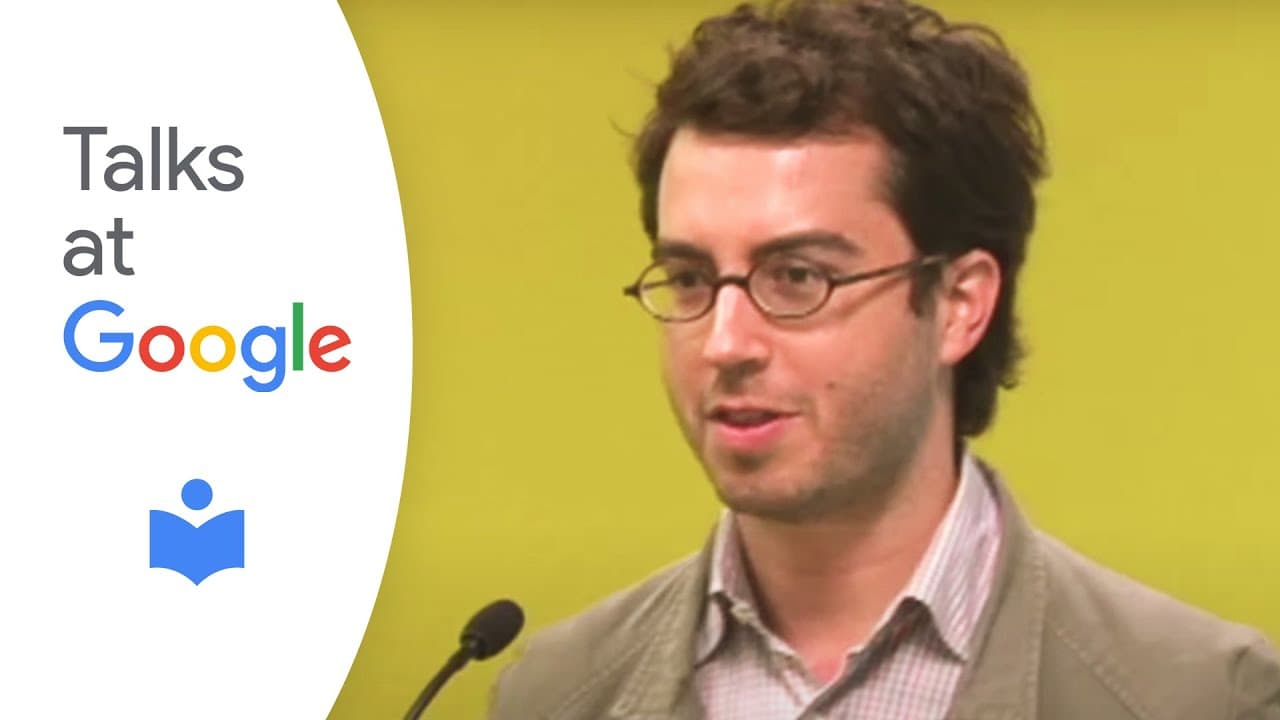
Extremely Loud and Incredibly Close | Jonathan Safran Foer | Talks at Google
TL;DR
The speaker discusses the book Eating Animals and the complex relationship between humans, animals, and food, advocating for awareness and action regarding factory farming.
Transcript
Female commentator: Hi, everyone. I grew up eating meat. I still eat meat and I cook with meat, and the argument I often make is I-I don't want my palate to be limited, what-what I, the flavors and colors and that I put on a plate, I don't wanna be limited by. I'm also a Mom and I have a beloved dog. I still use the present tense. I had a beloved... Read More
Key Insights
- 😋 The book Eating Animals is not a straightforward argument for vegetarianism but rather a call to engage with the complex issues surrounding our food choices and our relationship with animals.
- 💗 The positive response from chefs and farmers suggests a growing awareness of the problems associated with factory farming and a willingness to explore alternatives.
- 🖤 The lack of response from the meat industry indicates a potential recognition that expanding the conversation on factory farming could be detrimental to their interests.
- 😋 It is important to move away from a binary perspective on vegetarianism and focus instead on encouraging reduced meat consumption and creating inclusive food choices.
Install to Summarize YouTube Videos and Get Transcripts
Explore YouTube Video Summarizer or Get YouTube Transcript Extractor
Questions & Answers
Q: What is the main argument of the book Eating Animals?
The book does not argue for vegetarianism but rather encourages readers to engage with the problems and responsibilities surrounding our relationship with animals and our food choices.
Q: What was the author's perception of the meat industry's response to the book?
The author noted that, surprisingly, there was no response from the meat industry, despite their typically powerful lobby. This suggests either acceptance of the arguments in the book or a recognition that expanding the conversation about factory farming may be detrimental to their interests.
Q: How does the speaker address the issue of animal welfare and meat consumption?
The speaker emphasizes the importance of recognizing the problems associated with factory farming and making visible the connections between different groups, such as animal welfare activists and chefs who cook meat. They argue that instead of focusing on extremes, we should aim to expand the conversation and create more inclusive food choices.
Q: What is the speaker's perspective on the impact of meat consumption on the environment?
The speaker highlights the negative environmental impact of animal agriculture, including its contribution to global warming, pollution, deforestation, and loss of biodiversity. They suggest that reducing meat consumption is a crucial step towards addressing these environmental issues.
Summary & Key Takeaways
-
The speaker discusses their personal experience with meat consumption and their expectations for a book on vegetarianism, noting that Eating Animals is subjective and explores the author's relationship with animals and eating.
-
The speaker shares their surprise at the positive response from chefs and farmers and the negative response from the animal rights movement towards the book.
-
They emphasize the need to recognize the problem of factory farming and the importance of making connections among different groups concerned with animal welfare, environmental sustainability, and meat consumption.
Read in Other Languages (beta)
Share This Summary 📚
Summarize YouTube Videos and Get Video Transcripts with 1-Click
Try YouTube Summary with ChatGPT & Claude or YouTube Transcript Generator
Explore More Summaries from Talks at Google 📚

Summarize YouTube Videos and Get Video Transcripts with 1-Click
Try YouTube Summary with ChatGPT & Claude or YouTube Transcript Generator