What Is the Middle Income Trap and How Do Countries Escape It?
TL;DR
The middle income trap occurs when countries achieve middle income status but struggle to advance to fully developed economies, often experiencing reduced growth rates. Countries like Japan and South Korea have escaped this trap through investments in education, innovation, and strong democratic institutions, while the future growth of nations like China remains uncertain due to institutional challenges and demographic shifts.
Transcript
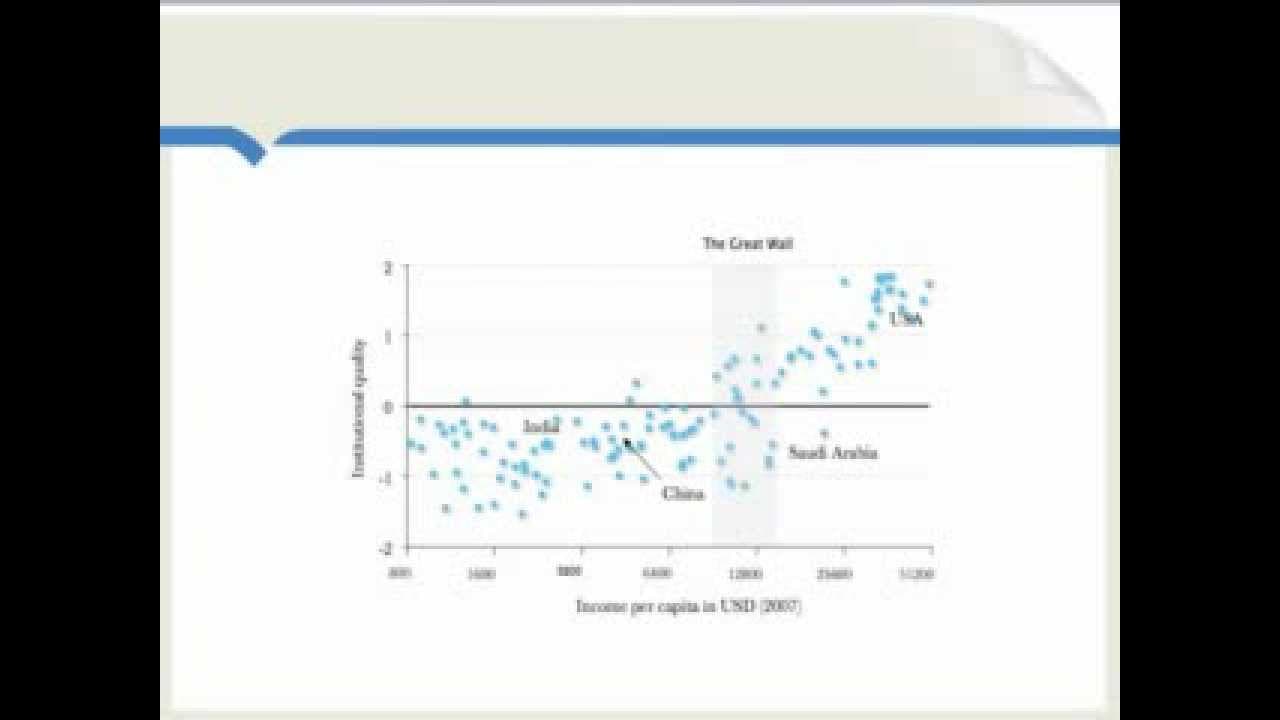
now let's talk about the so-called middle inome trap the so-called middle inome trap refers to the fact that a lot of countries reach a particular standard of living broadly called middle income but then they don't break through to being fully developed fully wealthy countries if you look at this graph here you can see that Japan has broken through... Read More
Key Insights
- The middle income trap describes countries reaching middle income status but failing to become fully developed, with growth rates slowing significantly.
- Countries like Japan and South Korea have broken through the trap by investing in education, innovation, and democratic institutions.
- A key challenge for countries in the middle income trap is maintaining competitiveness as wages rise, making cheap labor less viable.
- Economic growth driven by labor migration from rural to urban areas eventually stalls as this resource becomes exhausted.
- Demographic changes, such as aging populations, can further hinder growth by reducing the number of young, energetic workers.
- Countries must transition from low-cost manufacturing to innovation-driven economies, a difficult but necessary step to avoid the trap.
- China's future growth is debated, with some seeing potential for continued development and others predicting stagnation due to institutional weaknesses.
- Successful escape from the middle income trap requires world-class institutions and a strong middle class demanding effective governance.
Install to Summarize YouTube Videos and Get Transcripts
Explore YouTube Video Summarizer or Get YouTube Transcript Extractor
Questions & Answers
Q: What is the middle income trap?
The middle income trap refers to the situation where countries reach a middle income level of economic development but fail to progress to high-income status. This stagnation often results in reduced growth rates, as countries struggle to maintain competitiveness and transition from manufacturing-based economies to innovation-driven ones.
Q: How have countries like Japan and South Korea escaped the middle income trap?
Japan and South Korea have escaped the middle income trap by investing in their education systems, fostering innovation, and developing democratic institutions. They have transitioned from low-cost manufacturing to high-value industries, focusing on technological advancements and creating a strong middle class that demands effective governance.
Q: What challenges do countries face in avoiding the middle income trap?
Countries face several challenges in avoiding the middle income trap, including rising wages that reduce competitiveness, exhausted labor migration from rural to urban areas, and demographic shifts leading to aging populations. Additionally, transitioning from low-cost manufacturing to innovation-driven economies is a complex but necessary step for continued growth.
Q: Why is innovation crucial for countries to overcome the middle income trap?
Innovation is crucial for countries to overcome the middle income trap because it allows them to move up the value chain and maintain economic growth. As wages rise and cheap labor becomes less viable, countries must develop new technologies and industries to remain competitive and achieve high-income status.
Q: What role do demographics play in the middle income trap?
Demographics play a significant role in the middle income trap, as aging populations can lead to a reduced number of young, energetic workers entering the labor force. This demographic shift can hinder economic growth and make it more challenging for countries to innovate and transition to high-value industries.
Q: How does labor migration impact the middle income trap?
Labor migration impacts the middle income trap by initially driving economic growth as people move from rural to urban areas, increasing productivity. However, this resource becomes exhausted over time, and countries must find new ways to sustain growth, such as through innovation and developing high-value industries.
Q: What is the debate surrounding China's economic future and the middle income trap?
The debate surrounding China's economic future and the middle income trap centers on whether the country can continue its rapid growth or if it will stagnate. Some experts highlight China's potential for further development, while others point to institutional weaknesses and demographic challenges as barriers to continued innovation and growth.
Q: What factors contribute to a country's successful escape from the middle income trap?
Successful escape from the middle income trap involves a combination of factors, including investment in education, fostering innovation, developing democratic institutions, and creating a strong middle class. Countries must also build world-class institutions and transition from manufacturing-based economies to those driven by technological advancements and high-value industries.
Summary & Key Takeaways
-
The middle income trap is a phenomenon where countries achieve a certain level of economic development but struggle to advance to fully developed status. This often results in significantly reduced growth rates, with various factors contributing to this stagnation, including demographic shifts and challenges in maintaining competitive advantages.
-
Countries like Japan and South Korea have successfully overcome the middle income trap by focusing on innovation, improving education systems, and fostering democratic institutions. These nations have managed to transition from manufacturing-based economies to ones driven by technological advancements and high-value industries.
-
China's economic future is uncertain, with debates surrounding its ability to avoid the middle income trap. While some experts highlight China's potential for further growth, others point to institutional weaknesses and demographic challenges as potential barriers to continued development and innovation.
Read in Other Languages (beta)
Share This Summary 📚
Summarize YouTube Videos and Get Video Transcripts with 1-Click
Try YouTube Summary with ChatGPT & Claude or YouTube Transcript Generator
Explore More Summaries from Marginal Revolution University 📚

Summarize YouTube Videos and Get Video Transcripts with 1-Click
Try YouTube Summary with ChatGPT & Claude or YouTube Transcript Generator