Hustle Culture: Why We Can't Stop Working
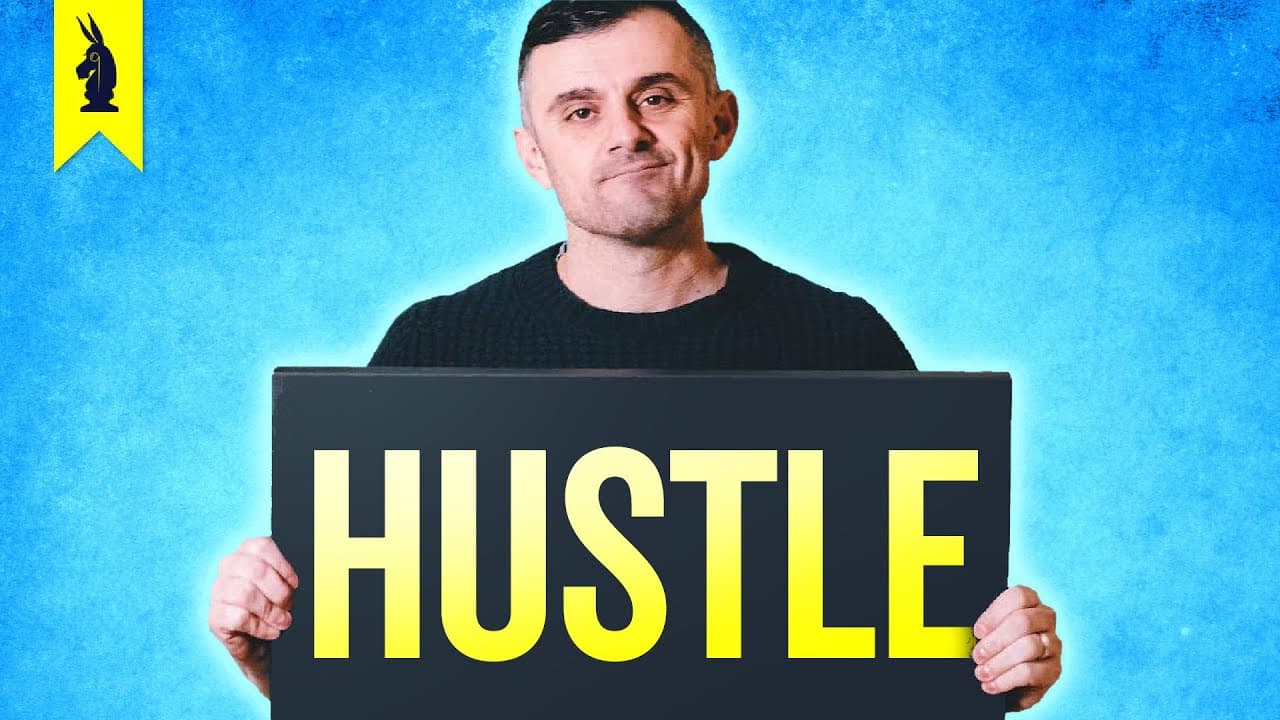
TL;DR
Hustle culture pressures individuals to prioritize work and success, often at the expense of well-being.
Transcript
- This video is brought to you by Keeps. (laid-back hip-hop music) What up Wisecrack, Greg here. Have you been hustling lately? It seems like everybody is. Whether you're busting your balls at the nine-to-five, or adding an Uber shift at night, or selling your knitted frogs on Etsy: the hustle is real. The culture surrounding hustling means that re... Read More
Key Insights
- 💦 Hustle culture has historical roots tied to the Protestant work ethic, which glorified extreme work as a moral obligation.
- 🍉 The term "bootstrapping" initially denoted a paradox but transformed into a narrative suggesting anyone can succeed through sheer effort.
- 😷 Overworking is often reframed as dedication, masking exploitation and unhealthy workplace expectations.
- 👥 Hustle narratives disproportionately affect marginalized groups, often turning essential labor into a cultural stereotype.
- 😮 The rise of gig economy and freelance work has made hustle culture more pervasive while diminishing job security.
- 🎏 Technology has redefined leisure, turning hobbies into potential revenue streams, further entrenching hustle culture.
- 🥺 The societal view equates worth with productivity, potentially leading to toxic and harmful lifestyles.
Install to Summarize YouTube Videos and Get Transcripts
Explore YouTube Video Summarizer or Get YouTube Transcript Extractor
Questions & Answers
Q: What is hustle culture, and how has it evolved?
Hustle culture refers to the societal belief that constant work and productivity lead to success and happiness. It has evolved from historical trends, notably originating in the late 1800s during industrialization, where hard work was equated with moral value and success. Today, it pressures individuals to multitask relentlessly, often glorifying overwork while downplaying the importance of self-care and leisure time.
Q: How does hustle culture impact people's mental health?
Hustle culture can negatively affect mental health by fostering a sense of worth tied to productivity. Individuals may experience anxiety, burnout, and the belief that their value diminishes during downtime. This relentless pressure can lead to severe consequences, including stress-related health issues such as exhaustion, depression, and chronic illness, ultimately reducing overall life satisfaction.
Q: In what ways does hustle culture affect marginalized communities?
Marginalized communities often face systemic barriers that necessitate hustling to survive. For instance, the historical context of hustle culture, particularly within Black communities, shows that the pressure to work tirelessly is seen not as an option but as a survival mechanism. The perpetuation of the "lazy" stereotype for not hustling adds to the societal burden, creating a cycle of unrelenting work expectation without celebrating or supporting necessary rest.
Q: How has the decline of labor unions influenced hustle culture?
The decline of labor unions has significantly impacted hustle culture by reducing collective bargaining power for workers. With fewer unions, individuals are left to navigate challenging work conditions alone, leading to an increased acceptance of excessive work hours and multiple jobs just to make ends meet. This shift has contributed to hustle culture's dominance, promoting the individualistic struggle for economic well-being rather than systemic reform.
Q: What are the implications of toxic productivity?
Toxic productivity is the harmful belief that self-worth is directly tied to output and achievement. This mindset can lead individuals to neglect their health and personal relationships, viewing every moment not spent working as wasted time. The implications include elevated stress levels, decreased job satisfaction, and heightened risks of chronic health conditions, ultimately detracting from the joy of life beyond work.
Q: Why do some people feel guilty about taking breaks or resting?
Many individuals feel guilt associated with taking breaks due to the societal narrative that equates busyness with success and importance. This mindset, cultivated by hustle culture and reinforced by social media, leads to the belief that rest is synonymous with laziness. Such guilt can create a false sense of obligation to remain constantly productive, leading to poor mental health and burnout.
Summary & Key Takeaways
-
Hustle culture promotes the idea that constant work leads to success and fulfillment, pressuring individuals to view relaxation as a failure.
-
The origins of hustle culture can be traced back to historical societal norms that stigmatize rest while championing relentless working, especially among marginalized communities.
-
Recent economic challenges and declining union membership have intensified hustle culture, pushing individuals to work multiple jobs to achieve financial stability while risking their health and well-being.
Read in Other Languages (beta)
Share This Summary 📚
Summarize YouTube Videos and Get Video Transcripts with 1-Click
Try YouTube Summary with ChatGPT & Claude or YouTube Transcript Generator