What Are the Hidden Costs of Zero-Commission Brokers?
TL;DR
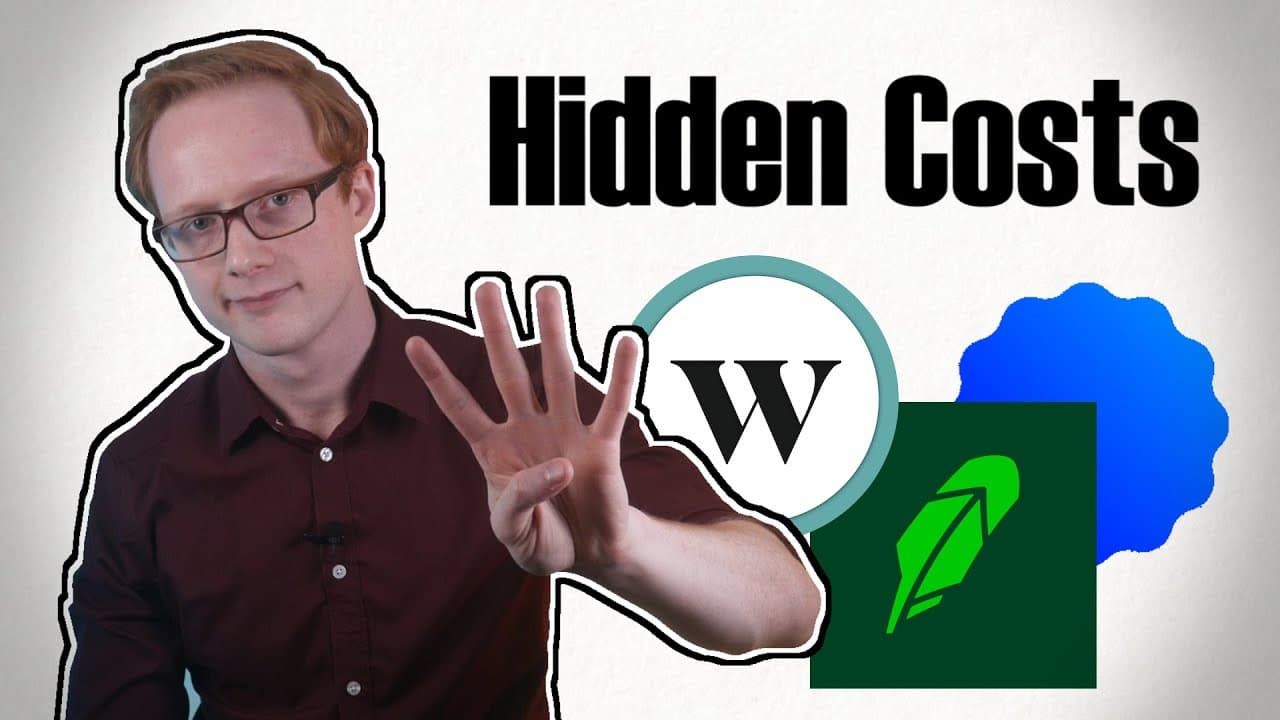
Zero-commission brokers may seem cost-free, but they come with hidden expenses like bid-ask spreads, high foreign exchange fees, and payment for order flow, which can lead to worse execution prices. Additionally, these platforms incentivize frequent trading, often resulting in risky behavior and potential losses for inexperienced investors.
Transcript
this video is sponsored by noaa an app i use to listen articles from the world's leading financial publications visit the link to the news over audio website in the description below to get unlimited access for a week plus 37 off the annual membership fee there's a lot to be said about free stuff the best things in life are free coco chanel i don't... Read More
Key Insights
- 🛩️ Zero commission brokers have made investing more accessible to individuals with smaller account balances.
- 😷 Bid-ask spreads can be a hidden cost of trading with zero commission brokers, especially for smaller companies and derivatives.
- 🤱 Foreign exchange fees may apply when buying foreign-quoted stocks, adding to the overall cost of trading.
- 🥺 Payment for order flow can lead to conflicts of interest and potentially worse execution prices for investors.
- 🌸 Incentives to trade can result in riskier strategies and potential losses for inexperienced investors.
- 🐕🦺 Educating oneself about the true costs and risks of zero commission brokers is important before relying solely on their services.
- 0️⃣ Zero commission brokers have had a significant impact on the finance industry, prompting traditional brokers to waive their own trading commissions.
Install to Summarize YouTube Videos and Get Transcripts
Explore YouTube Video Summarizer or Get YouTube Transcript Extractor
Questions & Answers
Q: What are zero commission brokers?
Zero commission brokers are platforms that allow investors to buy and sell stocks and other securities without charging trading commissions.
Q: How do bid-ask spreads impact the cost of trading?
Bid-ask spreads represent the difference between the price at which buyers and sellers are willing to transact. This spread acts as a transaction fee, which can be significant, especially for smaller cap stocks and derivatives.
Q: What are foreign exchange fees?
Foreign exchange fees are charged when investors buy stocks in a currency different from their account currency. Many investors are unaware of these fees, which can be quite high.
Q: What is payment for order flow?
Payment for order flow is a practice where brokers send client orders to market makers in exchange for payment. While this may not have an explicit fee, it introduces a potential conflict of interest and could result in worse execution prices for investors.
Q: How do zero commission brokers incentivize trading?
Zero commission brokers make trading easy and accessible, which can lead to increased trading activity. Some platforms have even been accused of gamifying the investment experience, potentially leading to harmful trading behaviors.
Summary & Key Takeaways
-
Zero commission brokers, such as Robinhood and Wealthsimple Trade, have revolutionized investing by eliminating trading commissions.
-
However, these platforms still have costs, including bid-ask spreads, which can be significant for smaller cap stocks and derivatives.
-
Another cost is foreign exchange fees, which are often overlooked but can be high when buying foreign-quoted stocks.
-
Payment for order flow is a controversial practice where brokers route orders to market makers, potentially leading to a conflict of interest and worse execution prices.
-
Finally, these platforms incentivize trading and may encourage riskier strategies, leading to potential losses for inexperienced investors.
Read in Other Languages (beta)
Share This Summary 📚
Summarize YouTube Videos and Get Video Transcripts with 1-Click
Try YouTube Summary with ChatGPT & Claude or YouTube Transcript Generator
Explore More Summaries from The Plain Bagel 📚

Summarize YouTube Videos and Get Video Transcripts with 1-Click
Try YouTube Summary with ChatGPT & Claude or YouTube Transcript Generator