Introduction to Week 4
TL;DR
High road firms, which prioritize the well-being of both shareholders and employees, are crucial for shaping a future of work that benefits all stakeholders in the economy.
Transcript
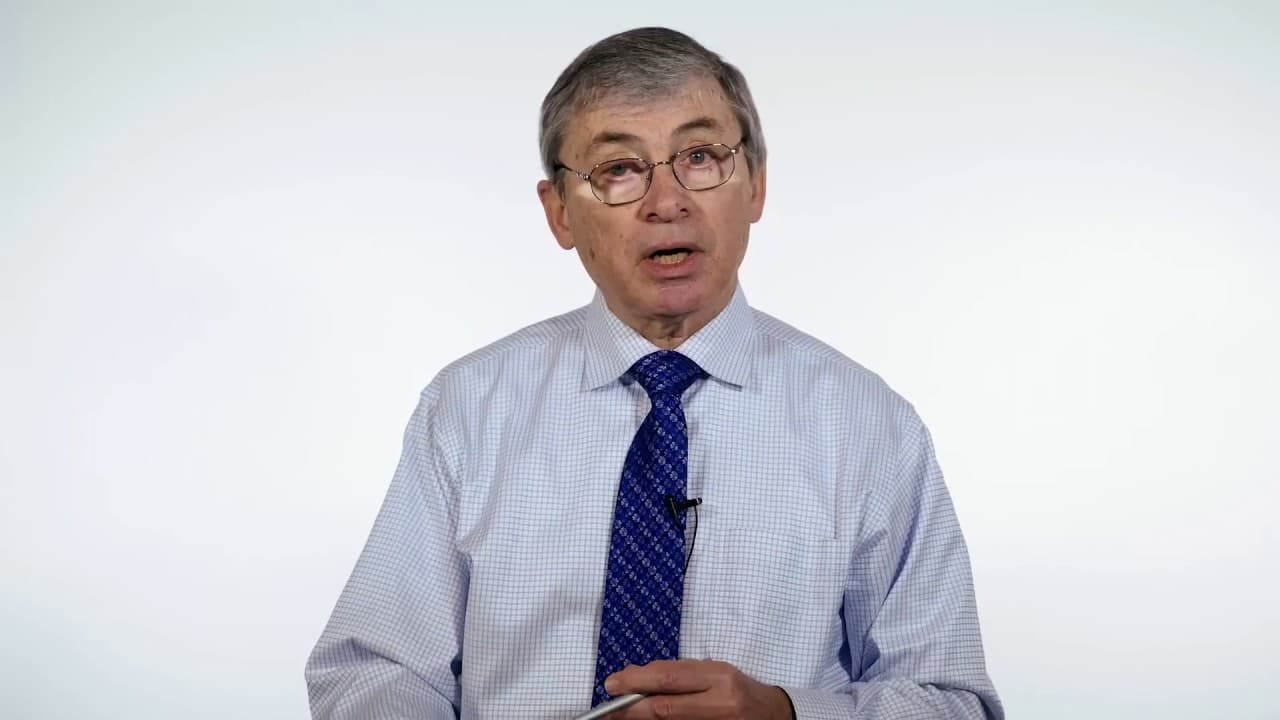
What a busy week we had. Because we covered so much ground this past week and because we're almost at the midpoint of this course, I thought it would be useful to summarize some of the key lessons from the week and really one of the key lessons from this course. That lesson is very simple. It is that our economies need to continue to encourage and ... Read More
Key Insights
- 💦 High road firms are essential for shaping a future of work that benefits shareholders, employees, and society.
- 🇺🇸 The emphasis on shareholder value varies across countries and has not always been as prevalent in the United States.
- ✋ Building high road firms requires a system of practices that fit the specific industry, culture, and organizational setting.
- ✋ Examples of high road firms exist in various sectors and countries, highlighting the diverse approaches to prioritizing stakeholders.
- 💦 The role of technology is crucial in augmenting work and should be used to support good work practices.
- 🤩 Entrepreneurship plays a key role in building high road firms from the beginning, considering both business models and the well-being of employees.
- ✋ Continuing the dialogue and debate on high road practices is essential for spreading them to a larger number of organizations.
Install to Summarize YouTube Videos and Get Transcripts
Explore YouTube Video Summarizer or Get YouTube Transcript Extractor
Questions & Answers
Q: What is the key lesson from the course regarding the future of work?
The key lesson is that economies need to encourage high road firms that prioritize the interests of both shareholders and employees in order to shape a future of work that benefits all stakeholders.
Q: How can organizations promote high road practices?
It starts with having a debate on the values of the firm and moving away from a sole emphasis on shareholder value. Organizational practices such as hiring strong employees, investing in training, and creating flexible work arrangements are also important.
Q: Are high road practices limited to specific sectors or countries?
No, high road practices can be implemented in a variety of organizational forms and sectors. Examples include family businesses, benefit corporations, employee-owned firms, and community-owned organizations.
Q: How can technology be used to support good work?
Technology should be used to augment work, rather than substitute or displace it. Experts suggest exploring ways to leverage technology to enhance work productivity and support the well-being of employees.
Summary & Key Takeaways
-
High road firms, which prioritize the interests of stakeholders including employees and society, are essential for shaping the future of work.
-
There is a need for organizations to have a debate on the basic values of the firm, moving away from a solely shareholder-focused approach.
-
Building high road firms involves a bundle of practices such as hiring strong employees, investing in training and development, fostering a culture of respect, and creating flexible work arrangements.
Read in Other Languages (beta)
Share This Summary 📚
Summarize YouTube Videos and Get Video Transcripts with 1-Click
Try YouTube Summary with ChatGPT & Claude or YouTube Transcript Generator
Explore More Summaries from MIT OpenCourseWare 📚



Summarize YouTube Videos and Get Video Transcripts with 1-Click
Try YouTube Summary with ChatGPT & Claude or YouTube Transcript Generator