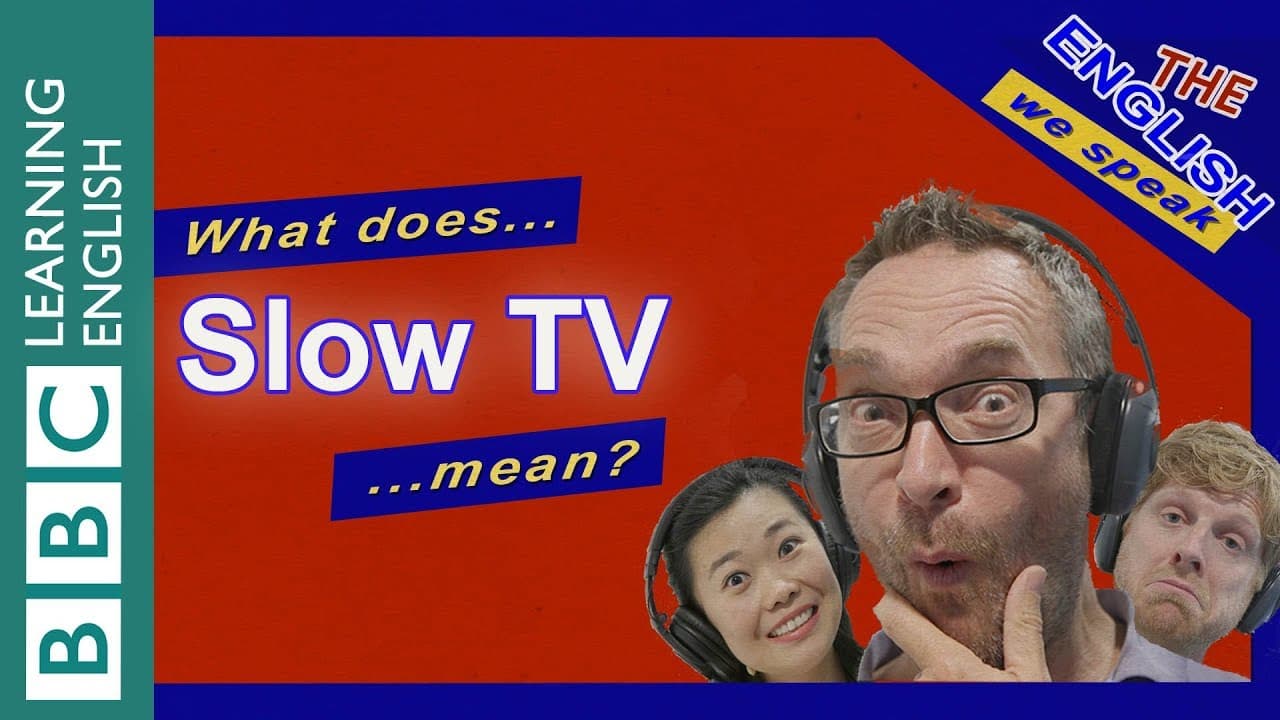
What is 'slow TV'?
TL;DR
Slow TV features long, relaxing broadcasts like train journeys.
Transcript
Feifei: Hi Neil. Good weekend? Do anything nice? Neil: Hi Feifei! Actually, I stayed in and watched TV. Feifei: Football? Neil: No, I watched this marvellous programme from Norway. Feifei: Oh, one of those police dramas? They’re great! Neil: Actually, believe it or not, the entire film was just the view from the front of a train, all the way from o... Read More
Key Insights
- Slow TV is a concept involving long, uninterrupted broadcasts of mundane activities, like a train journey or a burning fireplace, aimed at providing a relaxing experience.
- Originating from Norway, Slow TV gained popularity for its unique approach, contrasting with the fast-paced nature of typical television programming.
- Viewers of Slow TV often find it calming and a way to unwind from their hectic lives, despite its perceived dullness by others.
- Neil, a fan of Slow TV, appreciates its relaxing nature and plans to create his own version by filming an oak tree growing.
- Slow TV is not universally appealing, as some people, like Feifei, prefer more action-packed content like police dramas.
- The concept of Slow TV challenges traditional television norms by focusing on simplicity and the beauty of mundane, everyday scenes.
- Michala's company, specializing in Slow TV, reports a thriving business, indicating a growing audience for this type of content.
- The English We Speak program uses Slow TV as a theme to teach English vocabulary, highlighting its cultural relevance and appeal.
Install to Summarize YouTube Videos and Get Transcripts
Explore YouTube Video Summarizer or Get YouTube Transcript Extractor
Questions & Answers
Q: What is Slow TV?
Slow TV is a unique television concept that features long, uninterrupted broadcasts of mundane activities, such as a train journey or a burning fireplace. The idea is to provide a relaxing, calming experience, contrasting with the fast-paced nature of typical television programming.
Q: Where did Slow TV originate?
Slow TV originated in Norway and has gained popularity for its unique approach to television. It presents long, uninterrupted broadcasts of everyday activities, offering a calming alternative to the fast-paced and action-packed content that is commonly found on television.
Q: Why do some people enjoy Slow TV?
Some people enjoy Slow TV because it provides a calming and relaxing experience. In today's fast-paced world, viewers like Neil appreciate the opportunity to slow down and unwind by watching simple, serene broadcasts, such as a train journey or a burning fireplace, despite others finding it dull.
Q: What is Neil's plan related to Slow TV?
Neil, a fan of Slow TV, plans to create his version by filming an oak tree growing, which he humorously refers to as 'slow tree-V.' He believes this could be the next big thing in Slow TV, offering viewers the chance to watch the slow growth of a tree over many years.
Q: How does Slow TV challenge traditional television norms?
Slow TV challenges traditional television norms by focusing on simplicity and the beauty of mundane, everyday scenes. Unlike typical programming that prioritizes action and excitement, Slow TV offers viewers long, uninterrupted broadcasts that emphasize relaxation and a slower pace of life.
Q: What is the business outlook for companies specializing in Slow TV?
Companies specializing in Slow TV, like Michala's, report a thriving business, indicating a growing audience for this type of content. The increasing popularity of Slow TV suggests that more viewers are seeking calming and relaxing alternatives to traditional, fast-paced television programming.
Q: How is Slow TV used in the English We Speak program?
The English We Speak program uses Slow TV as a theme to teach English vocabulary, highlighting its cultural relevance and appeal. By discussing Slow TV, the program introduces viewers to new expressions and idioms, while also exploring a unique television trend that contrasts with mainstream content.
Q: What are some examples of Slow TV broadcasts?
Examples of Slow TV broadcasts include long, uninterrupted views from the front of a train journey, a burning fireplace, and potentially even the slow growth of a tree, as Neil humorously suggests. These broadcasts focus on mundane activities, providing a relaxing and calming viewing experience.
Summary & Key Takeaways
-
Slow TV is a television trend featuring long broadcasts of mundane activities, aimed at providing a calming experience. Originating in Norway, it offers an alternative to fast-paced programming. Neil, a fan, plans to create his version by filming a tree growing, highlighting the genre's appeal.
-
Despite its simplicity, Slow TV has gained a dedicated following, with viewers appreciating its relaxing nature. While some find it dull, others, like Neil, find it a perfect escape from hectic lives. The genre includes broadcasts like train journeys and burning fireplaces, emphasizing simplicity.
-
Slow TV challenges traditional television norms by focusing on mundane activities. Michala's company, specializing in this genre, reports thriving business, indicating its growing popularity. The English We Speak program uses Slow TV to teach vocabulary, showcasing its cultural significance and appeal.
Read in Other Languages (beta)
Share This Summary 📚
Summarize YouTube Videos and Get Video Transcripts with 1-Click
Try YouTube Summary with ChatGPT & Claude or YouTube Transcript Generator
Explore More Summaries from BBC Learning English 📚
Summarize YouTube Videos and Get Video Transcripts with 1-Click
Try YouTube Summary with ChatGPT & Claude or YouTube Transcript Generator