Do This When Your Battery Is Running Low
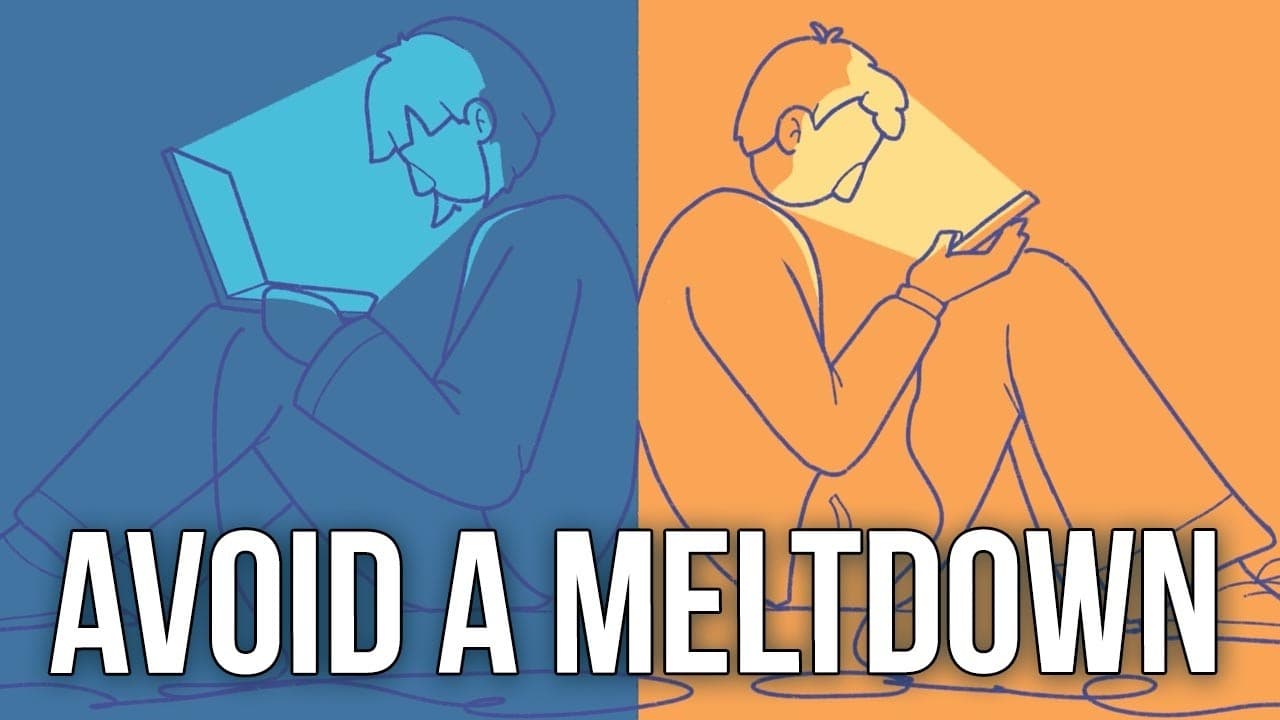
TL;DR
Understanding the signs of mental and physical exhaustion can prevent emotional turmoil.
Transcript
there's a most basic fact about a child it never knows when it's tired it just grows convinced that it now hates Mommy that little brother should die that the button falling off the cardigan is a catastrophe that it self-respect depends on being allowed to throw the bread knife out of the window sharpen first and it's the role of the parent to noti... Read More
Key Insights
- 👪 Children are unable to recognize when they are tired, often expressing that confusion as dislike for parents or siblings when they need rest.
- 🥺 Adults often ignore signs of exhaustion, leading to misunderstandings and emotional turmoil in their personal relationships.
- 💄 The accumulation of daily stressors can create a fragile mental state, making individuals overly reactive to minor frustrations.
- 😣 Prioritizing rest and relaxation is essential for emotional health, helping to create a clearer perspective on relationships and challenges.
- 🤗 Open communication about emotional states promotes healthier interactions and mitigates conflict when individuals feel overwhelmed.
- 😨 Self-care activities, like baths or early bedtimes, are framed as necessary not just for children but for exhausted adults as well.
- 🧑⚕️ Recognizing one’s internal exhaustion is crucial for maintaining mental health and preventing the escalation of stress-induced irritability.
Install to Summarize YouTube Videos and Get Transcripts
Explore YouTube Video Summarizer or Get YouTube Transcript Extractor
Questions & Answers
Q: Why do children often misinterpret their feelings when tired?
Children usually lack the awareness to recognize fatigue, often expressing frustration or anger towards loved ones instead. This emotional outburst stems from their unmet needs and inability to articulate their state, which is why it's essential for parents to identify these signs early and provide gentle guidance toward rest.
Q: How does adult exhaustion manifest in daily life?
Adult exhaustion can present itself through irritability, decreased patience, and an inability to focus. With continuous work and stress, individuals might misinterpret others' actions or react negatively to minor issues. The cumulative fatigue can impair judgment, leading to conflicts and emotional distress that could easily be resolved with adequate rest.
Q: Why is acknowledging our fragility important in relationships?
Acknowledging our fragile state fosters understanding and compassion among partners, friends, and family. It reminds us to communicate our needs clearly and helps others recognize that irritability or frustration may stem not from them but from our exhaustion, reducing the likelihood of conflicts and enhancing emotional connections.
Q: What self-care strategies are recommended for managing exhaustion?
Practicing self-care may include prioritizing sleep, engaging in relaxation activities, and setting boundaries for managing commitments. Taking breaks, indulging in calming baths, and winding down early can significantly benefit our mental health, allowing us to reset and regain a more positive perspective as we face new challenges.
Summary & Key Takeaways
-
The content emphasizes the importance of recognizing exhaustion in both children and adults, as neglecting it can lead to misunderstandings and emotional distress.
-
It highlights how busy and stressful lives can exhaust our mental resources, making us more prone to negative emotions and misinterpretation of others' actions.
-
The piece advocates for self-care, suggesting that adults should prioritize rest and intentionally recognize when it's time to disengage from daily pressures.
Read in Other Languages (beta)
Share This Summary 📚
Summarize YouTube Videos and Get Video Transcripts with 1-Click
Try YouTube Summary with ChatGPT & Claude or YouTube Transcript Generator