What Causes Addiction According to Carl Jung?
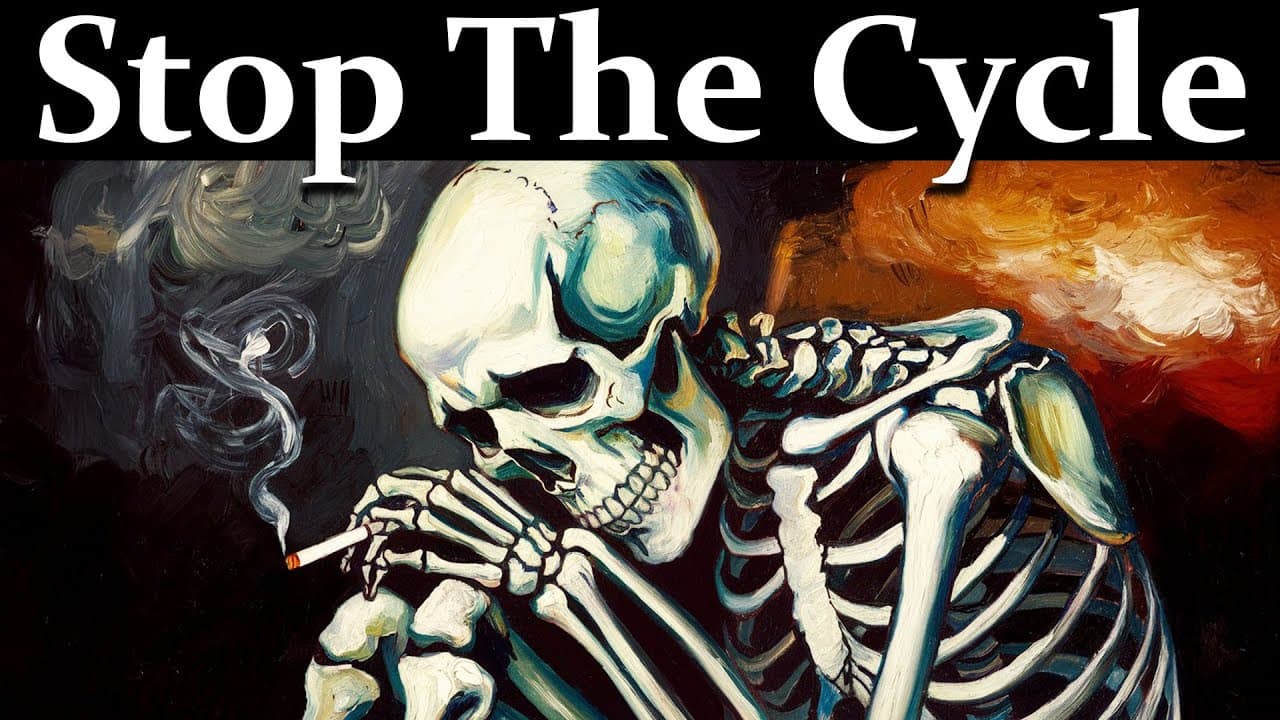
TL;DR
Addiction is primarily a response to unresolved emotional pain and a spiritual crisis, not a moral failing. According to Carl Jung and Gabor Maté, understanding addiction requires recognizing it as a misguided attempt to find meaning and cope with trauma. True recovery involves confronting one’s shadow, integrating past wounds, and reconnecting with the self.
Transcript
you are not weak you are not broken what you feel this compulsion that seems bigger than you this need that dominates you this emptiness that insists on returning this is not madness it is not failure it is not a moral defect this is pain and all pain has an origin carl Jung one of the greatest explorers of the human soul said that many vices are n... Read More
Key Insights
- Addiction is not a moral failing but a symptom of unresolved emotional pain and a misguided spiritual quest.
- Carl Jung and Gabor Maté emphasize that addiction stems from a spiritual disconnection and unresolved trauma.
- Addiction is a symptom, not the disease itself; it is a response to deep-seated pain and trauma.
- The journey to recovery involves confronting one's shadow and understanding the emotional wounds that fuel addiction.
- Trauma and early experiences of disconnection create a fertile ground for addiction to take root.
- Healing requires facing one's pain, integrating the shadow, and reconnecting with the self.
- True recovery is not about abstinence alone but about rebuilding one's identity and reconnecting with the soul.
- Addiction is an attempt to self-regulate and survive in the face of unbearable emotional realities.
- More videos with Carl Jung:
Install to Summarize YouTube Videos and Get Transcripts
Explore YouTube Video Summarizer or Get YouTube Transcript Extractor
Questions & Answers
Q: What is Carl Jung's perspective on addiction?
Carl Jung views addiction not as a mere behavioral disorder but as a symptom of spiritual disorientation. He believes it is a cry of the soul seeking meaning and connection, often manifesting through destructive habits when healthy paths are unavailable. Jung emphasizes the need for spiritual reconnection to address addiction.
Q: How does Gabor Maté explain the root cause of addiction?
Gabor Maté explains that the root cause of addiction is not the substance itself but the underlying pain and trauma that individuals attempt to anesthetize. He argues that addiction is a response to emotional wounds and disconnection, and healing requires addressing these foundational issues.
Q: What role does childhood trauma play in addiction?
Childhood trauma plays a significant role in addiction by creating emotional wounds and disconnection that individuals later attempt to numb through addictive behaviors. These early experiences shape the brain's development, leading to dysfunctional coping mechanisms and a persistent search for relief from unresolved pain.
Q: Why is confronting the shadow important in addiction recovery?
Confronting the shadow is crucial in addiction recovery because it involves facing the repressed aspects of oneself that fuel addictive behaviors. By integrating the shadow, individuals can address the unconscious content that manifests as compulsion, leading to genuine healing and self-awareness.
Q: What does true recovery from addiction entail?
True recovery from addiction entails more than abstinence; it involves a journey of self-discovery and reconnection with the soul. This process requires integrating the shadow, addressing underlying trauma, and rebuilding one's identity, leading to a wholeness that eliminates the need for self-destructive behaviors.
Q: How does addiction function as an emotional prosthesis?
Addiction functions as an emotional prosthesis by providing temporary relief and comfort where emotional nurturing was lacking. It serves as a substitute for the emotional support and regulation that were absent during critical developmental stages, offering a fragile sense of belonging and peace.
Q: Why do treatments based solely on abstinence often fail?
Treatments based solely on abstinence often fail because they address only the symptom of addiction, not the underlying cause. Without addressing the emotional wounds and trauma that drive addictive behaviors, the mind continues to seek relief, making relapse more likely.
Q: What is the significance of the phrase 'no tree grows to the sky without its roots touching hell'?
The phrase signifies that true healing from addiction requires confronting one's deepest emotional and psychological challenges. It emphasizes that growth and recovery involve facing and integrating one's darkest aspects, leading to a more profound transformation and reconnection with the self.
Summary & Key Takeaways
-
Addiction is explored as a spiritual crisis and response to unresolved trauma, with insights from Carl Jung and Gabor Maté. Understanding addiction requires recognizing it as a symptom of deeper emotional pain rather than a mere behavioral issue.
-
The video emphasizes the need to confront one's shadow and childhood traumas to achieve true recovery. It argues that addiction is not about the substance but the pain it seeks to anesthetize.
-
Healing from addiction involves a journey of self-discovery, integration of the shadow, and reconnecting with one's soul. The process requires courage, patience, and a shift from fighting addiction to understanding its roots.
Read in Other Languages (beta)
Share This Summary 📚
Summarize YouTube Videos and Get Video Transcripts with 1-Click
Try YouTube Summary with ChatGPT & Claude or YouTube Transcript Generator
Explore More Summaries from Psyphoria 📚



Summarize YouTube Videos and Get Video Transcripts with 1-Click
Try YouTube Summary with ChatGPT & Claude or YouTube Transcript Generator