How to Celebrate a Baby's 100th Day Ceremony
TL;DR
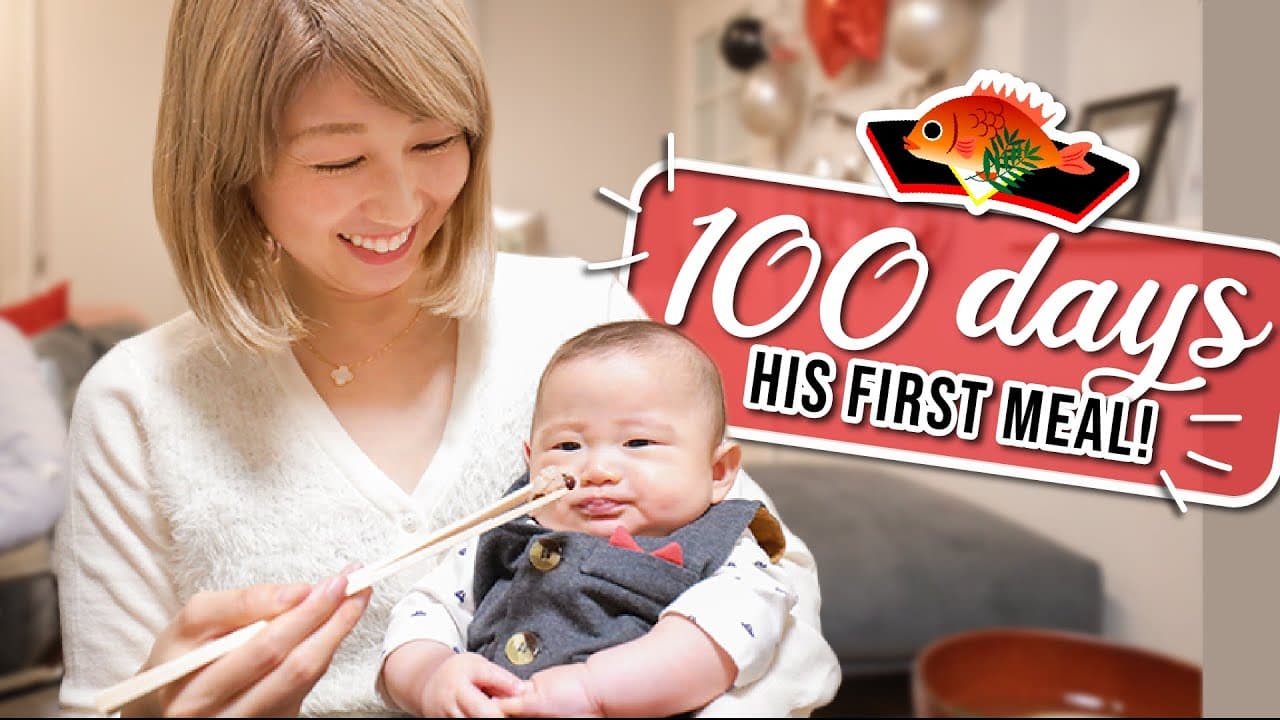
The 100th-day ceremony for a baby, known as 'Okuizome' in Japan, is a symbolic tradition where the baby is presented with various dishes to wish for a healthy future. This ritual includes preparing special foods like red bean rice and a clear soup, and finding a special rock to ensure strong teeth.
Transcript
Hey guys! It has been a 100 days since Clover’s birth And the reason why you don’t hear any screaming or crying right now is because Osaru-san has taken the kids out And I have to get ready for Clover’s First Meal Ceremony The baby doesn’t actually eat Cover can’t eat yet It’s kind of a pretend thing You put the food to the baby’s mouth. This tradi... Read More
Key Insights
- Okuizome is a traditional Japanese ceremony held on a baby's 100th day to celebrate their growth and ensure health.
- The baby does not actually eat during the ceremony; it's a symbolic gesture of introducing them to food.
- A central part of the ceremony involves preparing a meal with specific dishes considered lucky, such as sea bream and red bean rice.
- The ceremony dates back to the Heian period, a time when infant mortality was high, making each milestone significant.
- A special rock is used during the ceremony to symbolize the wish for the baby's strong teeth as they grow.
- Families often receive special dishes from shrines for this occasion, which are used to serve the ceremonial meal.
- The ceremony is a family event that involves cooking, decorating, and sometimes finding a missing ceremonial item, like the rock.
- Despite the baby not eating, family members partake in the meal, symbolically feeding the baby by touching the food to their lips.
Install to Summarize YouTube Videos and Get Transcripts
Explore YouTube Video Summarizer or Get YouTube Transcript Extractor
Questions & Answers
Q: What is the purpose of the 100th-day ceremony for babies in Japan?
The 100th-day ceremony, known as Okuizome, is a traditional Japanese event to celebrate a baby's growth and ensure their future health and happiness. It involves a symbolic meal where food is presented to the baby, marking their introduction to solid foods and praying for their well-being.
Q: What dishes are typically prepared for the Okuizome ceremony?
The Okuizome ceremony involves preparing a meal with specific dishes considered auspicious, such as red bean rice (osekihan), simmered vegetables with chicken, pickled vegetables, and a clear soup with clams. Sea bream is often included due to its symbolic name association with celebration and happiness.
Q: Why is a rock used in the Okuizome ceremony?
A rock is used in the Okuizome ceremony to symbolize the wish for the baby's strong teeth as they grow. The rock is touched to the baby's mouth during the ceremony, representing the hope that their teeth will grow healthy and strong, akin to the hardness of the rock.
Q: How does the Okuizome ceremony reflect historical practices?
The Okuizome ceremony reflects historical practices from the Heian period, a time when infant mortality was high. Celebrating a baby's 100th day was a significant milestone, marking their survival and growth. The ritual includes symbolic gestures to ensure the child's future health and happiness.
Q: What is the significance of sea bream in Japanese celebrations?
Sea bream, known as 'tai' in Japanese, is often used in celebrations due to its name's phonetic similarity to 'medetai,' meaning joyous or worth celebrating. Its inclusion in ceremonies like Okuizome symbolizes happiness and good fortune, making it a staple in traditional Japanese events.
Q: How is the baby's participation in the Okuizome ceremony symbolic?
In the Okuizome ceremony, the baby's participation is symbolic as they do not actually consume the food. Instead, the food is touched to their lips, representing their introduction to solid foods. This gesture is a prayer for their future ability to eat and enjoy meals as they grow.
Q: What role do family members play in the Okuizome ceremony?
Family members play a significant role in the Okuizome ceremony by preparing the meal, participating in the symbolic feeding, and ensuring the event's smooth execution. They partake in the meal, symbolically feeding the baby, and often help in finding or preparing ceremonial items like the special rock.
Q: What are the origins of the Okuizome ceremony?
The Okuizome ceremony originated during the Heian period in Japan, a time characterized by high infant mortality rates. Celebrating a baby's 100th day was a milestone acknowledging their survival and growth, with the ceremony serving as a prayer for continued health and prosperity in their life.
Summary & Key Takeaways
-
The 100th-day celebration, or Okuizome, is a Japanese tradition marking a baby's growth milestone. It involves a symbolic meal where food is presented to the baby, praying for health and happiness. Special dishes like red bean rice and sea bream are prepared, and a rock symbolizes the wish for strong teeth.
-
This ceremony, originating from the Heian period, includes preparing a meal with dishes deemed lucky. The baby is not expected to eat; instead, the food is symbolically touched to their lips. A special rock, representing strong teeth, is part of the ritual.
-
Families celebrate a baby's 100th day with the Okuizome ceremony, preparing symbolic dishes and involving a special rock for dental health prayers. The tradition is rooted in historical practices aimed at celebrating a baby's survival and future well-being.
Read in Other Languages (beta)
Share This Summary 📚
Summarize YouTube Videos and Get Video Transcripts with 1-Click
Try YouTube Summary with ChatGPT & Claude or YouTube Transcript Generator
Explore More Summaries from バイリンガール英会話 | Bilingirl Chika 📚





Summarize YouTube Videos and Get Video Transcripts with 1-Click
Try YouTube Summary with ChatGPT & Claude or YouTube Transcript Generator