10 BIGGEST Video Game Bosses of All Time
TL;DR
Discover gamer favorites featuring the largest bosses in video games.
Transcript
(logo beeps) - [Falcon] Video game bosses can be big or small and be difficult one way or the other, but a truly impressive boss is huge. Hi, folks, it's Falcon, and today on Gameranx, 10 of the biggest video game bosses. Starting off at number 10, the 16th Colossus from "Shadow of the Colossus." This is a game that is literally entirely about big ... Read More
Key Insights
- ❓ "Shadow of the Colossus" creatively blends traversal and combat with its colossal bosses, particularly with the impactful 16th Colossus.
- ❓ "God of War III" prioritizes spectacle, offering a unique encounter with the Titan Kronos that enhances storytelling through epic visuals.
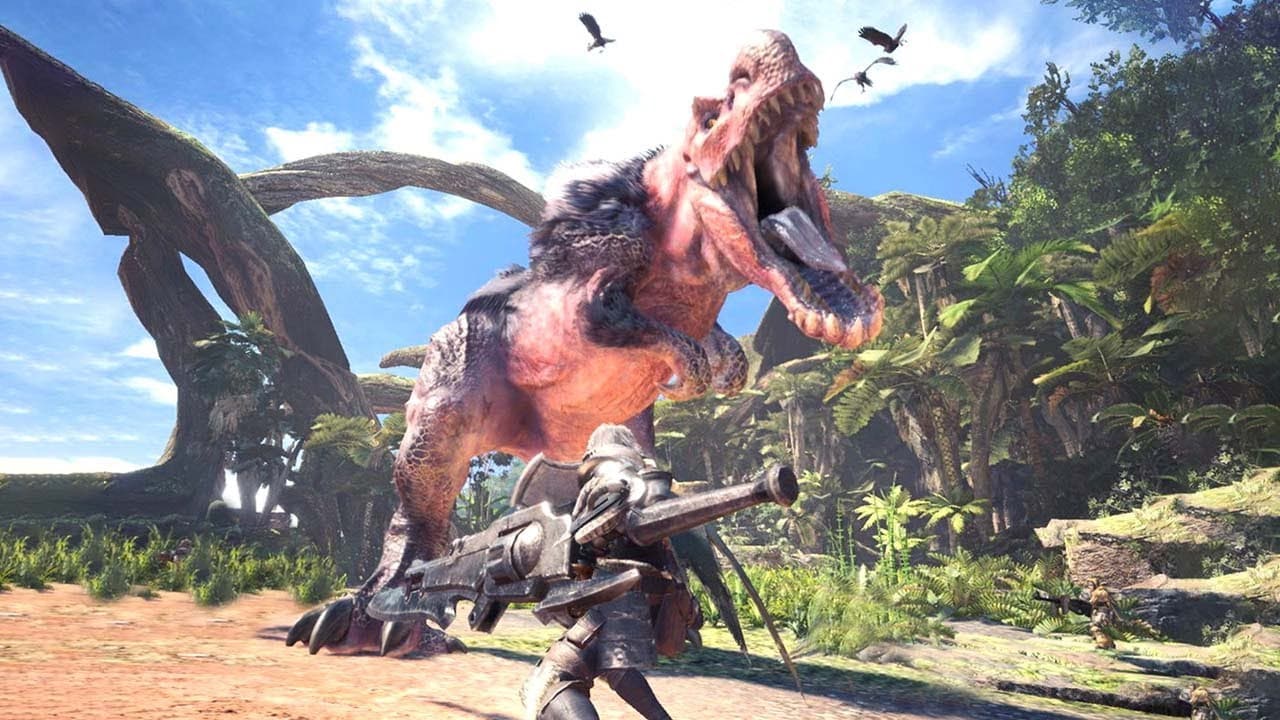
- 🌍 "Monster Hunter World" challenges player tactics with Zorah Magdaros, shifting the focus from direct combat to strategic siege warfare.
- 🛟 The revelation of Adamantoise in "Final Fantasy XV" serves as a commentary on expectations versus reality in boss design, surprising players with its true nature.
- 🍳 Mega Smith’s battle in "The Matrix: Path of Neo" emphasizes humor and absurdity, breaking traditional gameplay norms for entertainment.
- 👾 "Bayonetta" elevates boss battles like Jubileus through over-the-top action and dynamic combat mechanics, reinforcing the game's signature style.
- 👾 The Earth Eater offers a unique perspective on game scale, creating a memorable encounter that challenges player perceptions of boss size.
Install to Summarize YouTube Videos and Get Transcripts
Explore YouTube Video Summarizer or Get YouTube Transcript Extractor
Questions & Answers
Q: What is significant about the 16th Colossus in "Shadow of the Colossus"?
The 16th Colossus is notable for its humanoid appearance and colossal size, standing as the game's last and most challenging enemy. Players must navigate electric bolts and find scarce handholds to climb it, emphasizing the blend of puzzle-solving and combat in one of gaming's most emotional experiences.
Q: How does Kronos in "God of War III" reflect the game's spectacle?
Kronos embodies the over-the-top style of "God of War III"; Kratos battles this Titan by attacking his immense fingernails, showcasing both the scale of the fight and Kratos's small stature compared to a truly gargantuan foe. The encounter serves as a stunning reminder of the series’ commitment to epic storytelling through gameplay.
Q: What makes Zorah Magdaros in "Monster Hunter World" unique compared to typical monsters?
Zorah Magdaros is a massive monster that resembles a volcano, requiring players to engage in a siege battle instead of typical hunting. The encounter forces a change in tactics, relying on cannons and heavy weaponry rather than direct combat, demonstrating how the game introduces variety while maintaining its core battle structure.
Q: Why is Adamantoise in "Final Fantasy XV" such a surprising boss fight?
Adamantoise, which players initially mistake for a mountain, reveals its colossal size when approached. This endgame boss requires players to use agile teleportation and strategic gameplay to deal damage, emphasizing the unexpected scale and intricate design typical of "Final Fantasy XV."
Q: How does Mega Smith in "The Matrix: Path of Neo" differ from traditional boss battles?
Mega Smith's encounter defies conventional mechanics as it blends a cinematic spectacle with gameplay. The battle begins with a humorous and grand cutscene that sets a tone of absurdity, allowing players to engage in an over-the-top fight that emphasizes entertainment over seriousness, making it stand out in a crowded genre.
Q: What is the significance of Jubileus in "Bayonetta"?
Jubileus is not only a climactic battle, but it also showcases the game's thematic elements of angelic beings and cosmic battles. Her fight melds mechanics with visuals, such as riding rockets and summoning demons, representing the excesses of "Bayonetta’s" gameplay style and narrative scope.
Q: How does the Earth Eater from "Earth Defense Force 4" challenge conventional size dynamics in games?
The Earth Eater defies traditional boss designs as it is so vast it blocks out the sky. This design forces players to confront its gigantic structure, creating a wholly unique gameplay experience that feels monumental and distinct from the typical enemy size found in other levels of the series.
Q: Why is Chakravartin in "Asura's Wrath" considered the ultimate video game boss?
Chakravartin represents the zenith of video game boss sizes, initially appearing human-sized before escalating to an immense scale. The battle incorporates cosmic elements, such as throwing planets, which gives a sense of scale that is both outrageous and entertaining, exemplifying the game’s anime-inspired chaos.
Summary & Key Takeaways
-
The video lists the top ten largest video game bosses, showcasing battles against immense foes that range from colossi to cosmic beings.
-
Each entry highlights unique mechanics and challenges players face while fighting these colossal bosses, such as traversal puzzles and siege encounters.
-
The analysis emphasizes the scale and spectacle of each battle, illustrating how size impacts gameplay and player experience.
Read in Other Languages (beta)
Share This Summary 📚
Summarize YouTube Videos and Get Video Transcripts with 1-Click
Try YouTube Summary with ChatGPT & Claude or YouTube Transcript Generator
Explore More Summaries from gameranx 📚





Summarize YouTube Videos and Get Video Transcripts with 1-Click
Try YouTube Summary with ChatGPT & Claude or YouTube Transcript Generator