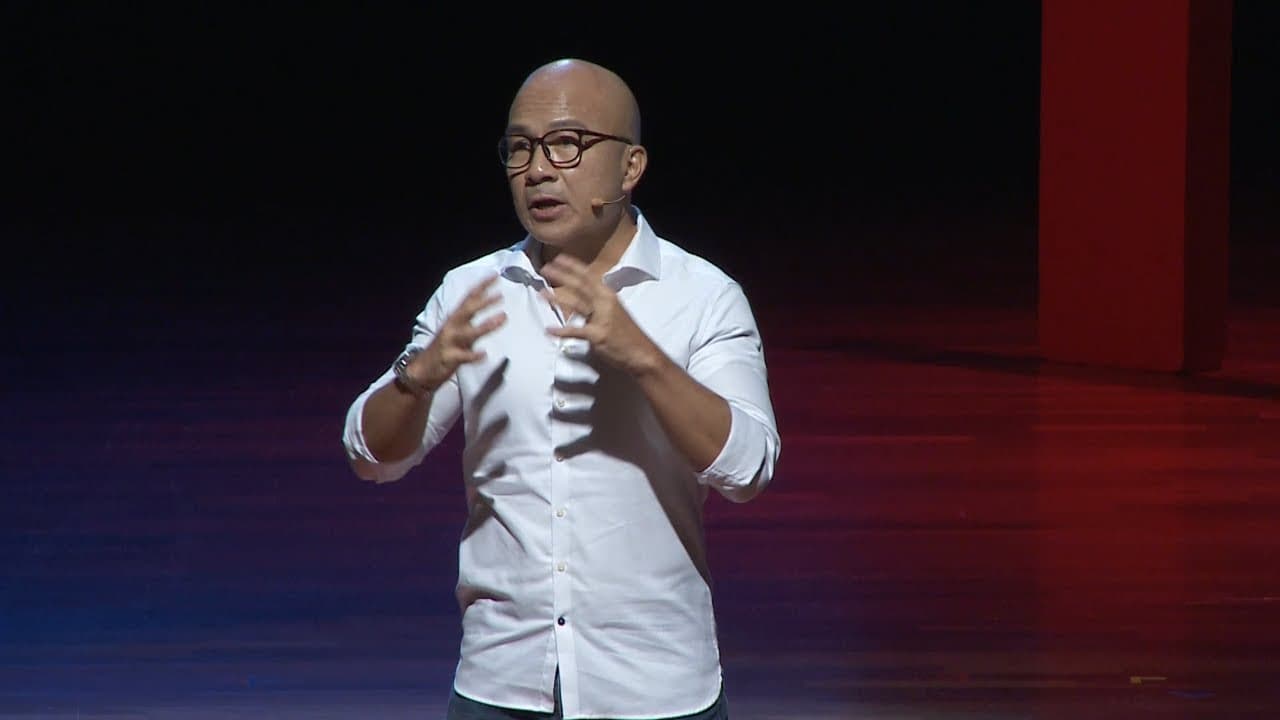
What makes a great power great? Unpacking global influence | Joseph Liow | TEDxNTU
TL;DR
Great powers shape global affairs through size, military strength, innovation, and economic influence.
Transcript
[Applause] the Preamble of the United Nations Charter establishes that all nations whether large or small enjoy equal rights under international law in the world of geopolitics however the reality is that not all nations are created equal there is a group of countries that possess characteristics or combination of characteristics that bestow upon t... Read More
Key Insights
- ✊ Size and geographical location significantly bolster a country's status as a great power by providing strategic advantages and security.
- 🎖️ With the largest military and defense budget, the U.S. remains a formidable global military power, ensuring its interests are defended.
- 🎁 The demographic trends in countries like China and India present opportunities for economic growth, attracting talent and fostering innovation.
- ✊ The U.S. dollar's dominance illustrates the economic power capable of influencing global transactions and financial stability.
- ✊ Soft power is essential for great powers to form alliances and promote their values globally, leveraging culture and diplomacy effectively.
- ✊ Great powers need to navigate internal challenges, like social division, to maintain their global positions and influence effectively.
- 🌐 The competitive dynamics among great powers significantly impact smaller nations’ foreign policy decisions, shaping global political landscapes.
Install to Summarize YouTube Videos and Get Transcripts
Explore YouTube Video Summarizer or Get YouTube Transcript Extractor
Questions & Answers
Q: What defines a great power in the context of geopolitics?
A great power is defined by a combination of characteristics including territory size, military capacity, technological advancement, and economic influence. These countries can significantly affect international relations and global stability due to their ability to project power and influence, as seen in historical and contemporary examples of international dynamics.
Q: How does the size of a country play a role in its status as a great power?
Size contributes to a country's resources, strategic depth, and military capabilities. Larger nations like the U.S., China, and Russia have more territory that can house military bases and secure natural resources. This factor also influences national security, as bigger nations can withstand external threats more effectively, fostering greater diplomatic leverage on the global stage.
Q: Why is military strength a crucial characteristic of great powers?
Military strength allows great powers to protect their interests and influence global affairs. Countries with advanced militaries can deter threats and project power internationally, as seen with the U.S., which maintains numerous overseas bases. The ability to deploy military forces effectively often translates into geopolitical advantages and dominance in international relations.
Q: How do demographic trends influence a country's power status?
Demographics significantly impact a country's labor force and economic potential. For instance, China and India have large populations that drive economic growth and innovation. A sizable population can attract talent and create dynamic economies, enhancing national influence. Conversely, a smaller population, like that of the U.S., can still leverage its diverse immigrant base to expand its talent pool and sustain competitiveness.
Q: In what ways does economic power manifest in great powers?
Economic power is often measured through GDP and global influence. The U.S. leads in GDP and maintains the dollar's status as the primary reserve currency, granting substantial global economic authority. Furthermore, nations leverage economic strength through trade agreements, investments, and technological advancements to enhance their geopolitical standing and alliances.
Q: How does soft power contribute to a country's global influence?
Soft power reflects a country's ability to persuade rather than coerce, shaping global perceptions and relationships. This influence is exercised through culture, diplomacy, and alliances. The U.S., with its vast entertainment industry and extensive diplomatic missions, maintains a significant advantage in soft power, fostering goodwill and positive relations, which is crucial for sustaining its global influence.
Q: What challenges might great powers face due to their internal divisions?
Internal divisions within a great power can undermine its international standing and effectiveness. Political polarization, economic disparities, and social unrest can lead to indecisiveness and weaken the nations' capacity to act cohesively on global issues. These challenges may reduce their influence and complicate relationships with other countries looking for stable partners in the international arena.
Q: Why is the question of how great powers use their influence particularly relevant today?
The manner in which great powers utilize their influence—whether to foster global cooperation or to create division—can have profound implications for humanity. Issues such as climate change, technology ethics, and global health crises demand collaborative approaches. The responsibility that comes with power can dictate the future of international relations, shaping societal outcomes for generations.
Summary & Key Takeaways
-
Great powers possess distinct characteristics such as size, strategic location, and demographic advantage, allowing them to exert global influence.
-
Military power is crucial for great powers, with significant budgets and overseas bases enabling them to defend and project their interests worldwide.
-
The United States leads in economic and technological innovation, while its soft power through culture and alliances remains influential, even amidst internal divisions.
Read in Other Languages (beta)
Share This Summary 📚
Summarize YouTube Videos and Get Video Transcripts with 1-Click
Try YouTube Summary with ChatGPT & Claude or YouTube Transcript Generator
Explore More Summaries from TEDx Talks 📚


Summarize YouTube Videos and Get Video Transcripts with 1-Click
Try YouTube Summary with ChatGPT & Claude or YouTube Transcript Generator