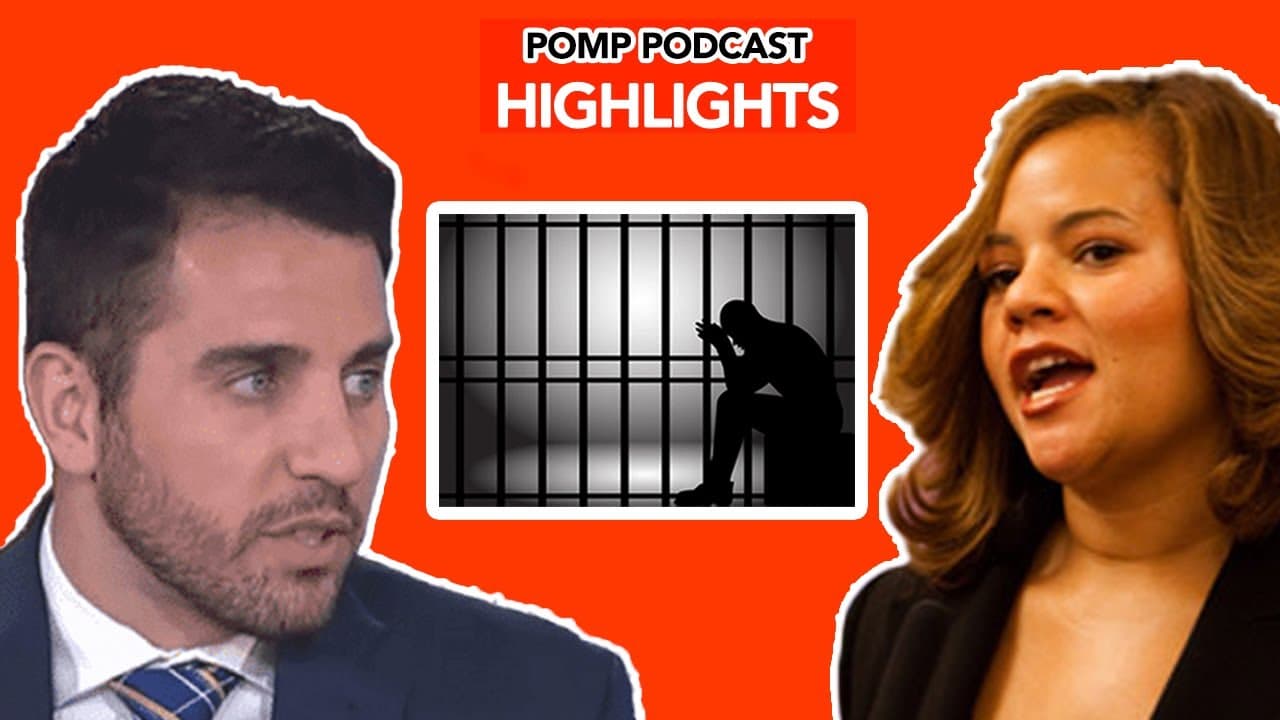
What Factors Lead to Incarceration? Phaedra Ellis-Lamkins on How Poverty Became Criminalized
TL;DR
The justice system disproportionately punishes the poor and marginalized, leading to imprisonment for non-violent offenses.
Transcript
let's start just with how do we get from something that is not considered a violent crime or something that is you know quote-unquote serious how do we end up putting people in jail how do they get there versus somebody who gets a parking ticket they pay it and you know they could never even imagine going to jail for something like that yeah I mean... Read More
Key Insights
- 🥺 Over-policing tends to affect economically disadvantaged and racial minorities, leading to a higher infringement rate and resultant fines.
- 🏍️ The cycle of debt and legal ramifications perpetuates a situation where minor infractions escalate into significant arrests and jail time.
- 🌱 Bureaucratic hurdles complicate access to payment plans for fines, creating barriers that further entrench debtors in the system.
- ❓ Technical violations, often unintentional, can result in swift legal consequences without due process, especially impacting the vulnerable.
- 👨⚖️ Quality legal representation can markedly shift case outcomes, revealing disparities in justice based on financial means.
- 🤨 Many systemic structures appear to penalize poverty rather than providing support, raising questions about their fundamental design.
- ❓ The development of technology solutions highlights an effort to streamline processes that currently exacerbate legal troubles for the poor.
Install to Summarize YouTube Videos and Get Transcripts
Explore YouTube Video Summarizer or Get YouTube Transcript Extractor
Questions & Answers
Q: How does over-policing affect marginalized communities?
Over-policing results in a higher likelihood of receiving fines and tickets for individuals in impoverished or racially marginalized neighborhoods. As these individuals find themselves facing disproportionate enforcement of laws, they suffer increased legal entanglements that can lead to incarceration for issues that may be mundane in more affluent communities.
Q: What are the consequences of not being able to pay tickets?
When individuals cannot afford to pay fines such as parking tickets, they often face escalating penalties, like losing their driver’s license. This can lead to legal trouble as they may unknowingly drive with a suspended license, ultimately resulting in arrest and even jail time, demonstrating a cycle exacerbated by financial constraints.
Q: How does the inability to secure good legal representation impact outcomes in the justice system?
Having access to good legal representation can significantly alter the outcomes of legal challenges. Those who cannot afford quality legal help face systemic disadvantages, leading them to accept plea deals that may exacerbate their situation. Consequently, they can fall into the trap of technical violations that further entangle them in the judicial system without receiving fair treatment.
Q: In what ways does the speaker believe the system is designed to fail vulnerable populations?
The speaker argues that the justice system and its bureaucratic processes are intentionally complex and punitive for those lacking resources. The assumption that individuals can pay fines or navigate legal repercussions without assistance contributes to a cycle of dehumanization and increased poverty, suggesting that societal structures are not set up for the success of these individuals.
Q: What role does technology play in addressing these systemic issues?
The speaker mentions developing software solutions, like Promise Pay, aimed at simplifying payment processes for tickets and fines. By creating user-friendly interfaces that allow individuals to manage their debts more effectively, the goal is to reduce barriers that lead to further legal troubles, thus helping them avoid negative consequences stemming from financial instability.
Q: How does the concept of technical violations contribute to incarceration rates?
Technical violations, such as missing a probation meeting, can lead to imprisonment without requiring a new trial. This highlights a severe flaw in the system where minor missteps can culminate in life-altering incarceration, disproportionately affecting those from marginalized backgrounds, who may struggle to meet technical requirements due to financial or logistical challenges.
Q: Can you explain the statement about the prison system not being suitable even for animals?
This statement underscores the inhumane conditions within some prison systems, suggesting that if the treatment of humans within these facilities is so poor that even animals would not be placed there, it raises profound ethical concerns. It reflects a systemic failure to treat incarcerated individuals with dignity and respect, revealing the dehumanization prevalent within the justice system.
Summary & Key Takeaways
-
The content discusses how over-policing leads to harsher consequences for marginalized communities, particularly those who cannot afford fines and tickets.
-
It highlights the cycle of fines, license suspensions, and arrests, showing how financial instability can escalate minor legal issues into significant problems.
-
The speaker emphasizes systemic flaws and bureaucratic barriers that perpetuate inequality, with a focus on how those in power often disregard the realities faced by vulnerable populations.
Read in Other Languages (beta)
Share This Summary 📚
Summarize YouTube Videos and Get Video Transcripts with 1-Click
Try YouTube Summary with ChatGPT & Claude or YouTube Transcript Generator
Explore More Summaries from Anthony Pompliano 📚

Summarize YouTube Videos and Get Video Transcripts with 1-Click
Try YouTube Summary with ChatGPT & Claude or YouTube Transcript Generator