An Interview with Anjali Sastry on Facilitating a Customized Learning Experience for Sloan Fellows
TL;DR
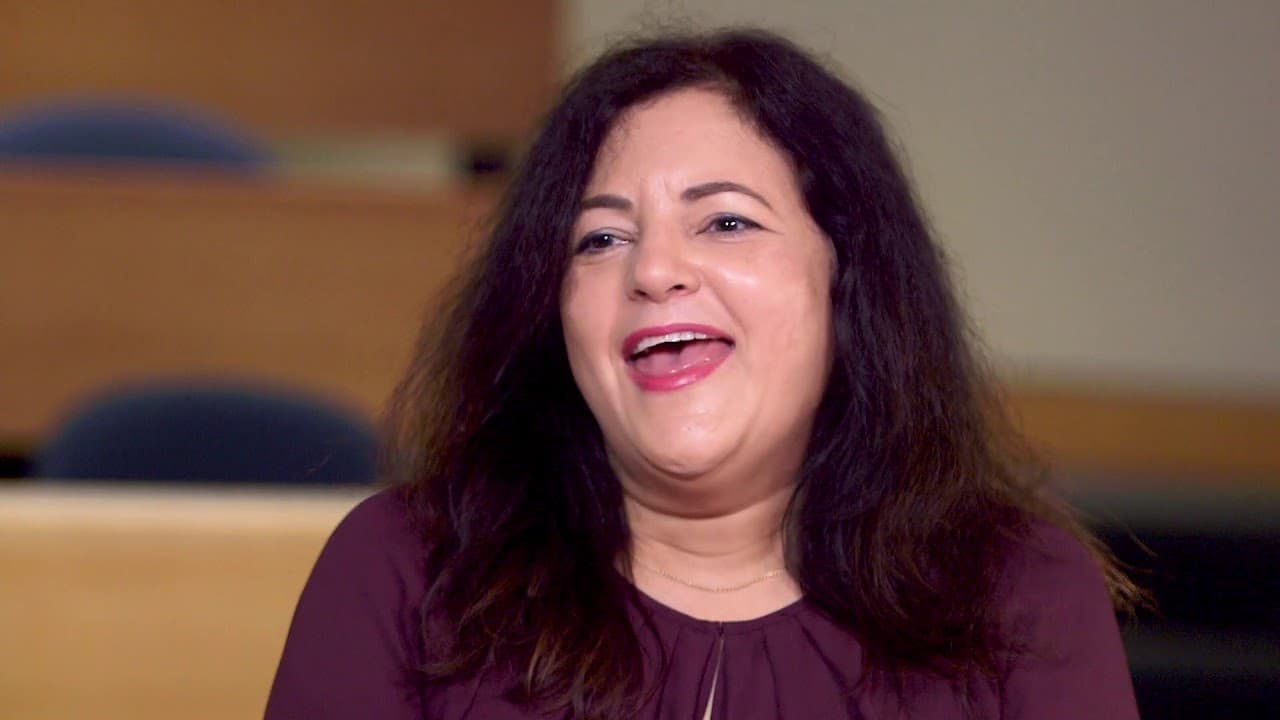
MIT professor Anjali Sastry discusses her experience facilitating a set of linked projects for mid-career executive students, allowing them to explore their passion for technology and social impact.
Transcript
ANJALI SASTRY: I've been teaching at MIT since 2001. And I've taught all kinds of classes. But the innovation I'm excited to be talking about today is a new set of linked projects that I helped our mid-career executive students-- the Sloan Fellow MBAs-- on this past year. So I hung up my shingle and asked students who had a passion for linking tech... Read More
Key Insights
- 👻 The projects allowed mid-career executive students to explore their passion for technology and social impact.
- 📽️ Customization and regular meetings were crucial for the success of these individual projects.
- 🖐️ Networking played a significant role in connecting students with experts and resources.
Install to Summarize YouTube Videos and Get Transcripts
Explore YouTube Video Summarizer or Get YouTube Transcript Extractor
Questions & Answers
Q: What types of projects did the mid-career executive students work on?
The students worked on projects ranging from creating agricultural products in Africa to linking entrepreneurship with the public sector. They also explored how analytics and AI could be used to provide agricultural finance to small-scale farmers.
Q: How did Anjali Sastry manage the individual projects?
Sastry had regular meetings with the students, created shared folders where they could collaborate on drafts and work plans, and sent them relevant materials and readings. She also used networking opportunities to connect the students with experts in their fields of interest.
Q: Is this type of teaching experience scalable?
Sastry believes that the project clusters could be created, where students with similar themes or interests could work together and help each other. This could potentially lead to greater scalability. Additionally, having good forms and paperwork and structured update processes could make the experience more efficient.
Q: How did Sastry measure success in these projects?
While the students' passion for their projects was important, Sastry also emphasized the need to link their ideas to the academic content and rigorously test them. Success was measured by the students' ability to integrate their academic learning with their innovative ideas and use evidence and data to support their work.
Summary & Key Takeaways
-
Anjali Sastry created a set of projects for mid-career executive students that allowed them to combine their passion for technology with social impact.
-
Students worked on projects such as creating agricultural products in Africa, linking entrepreneurship with the public sector, and using analytics and AI for agricultural finance.
-
The projects required customization, regular meetings, and extensive networking to ensure success.
Read in Other Languages (beta)
Share This Summary 📚
Summarize YouTube Videos and Get Video Transcripts with 1-Click
Try YouTube Summary with ChatGPT & Claude or YouTube Transcript Generator
Explore More Summaries from MIT OpenCourseWare 📚


Summarize YouTube Videos and Get Video Transcripts with 1-Click
Try YouTube Summary with ChatGPT & Claude or YouTube Transcript Generator