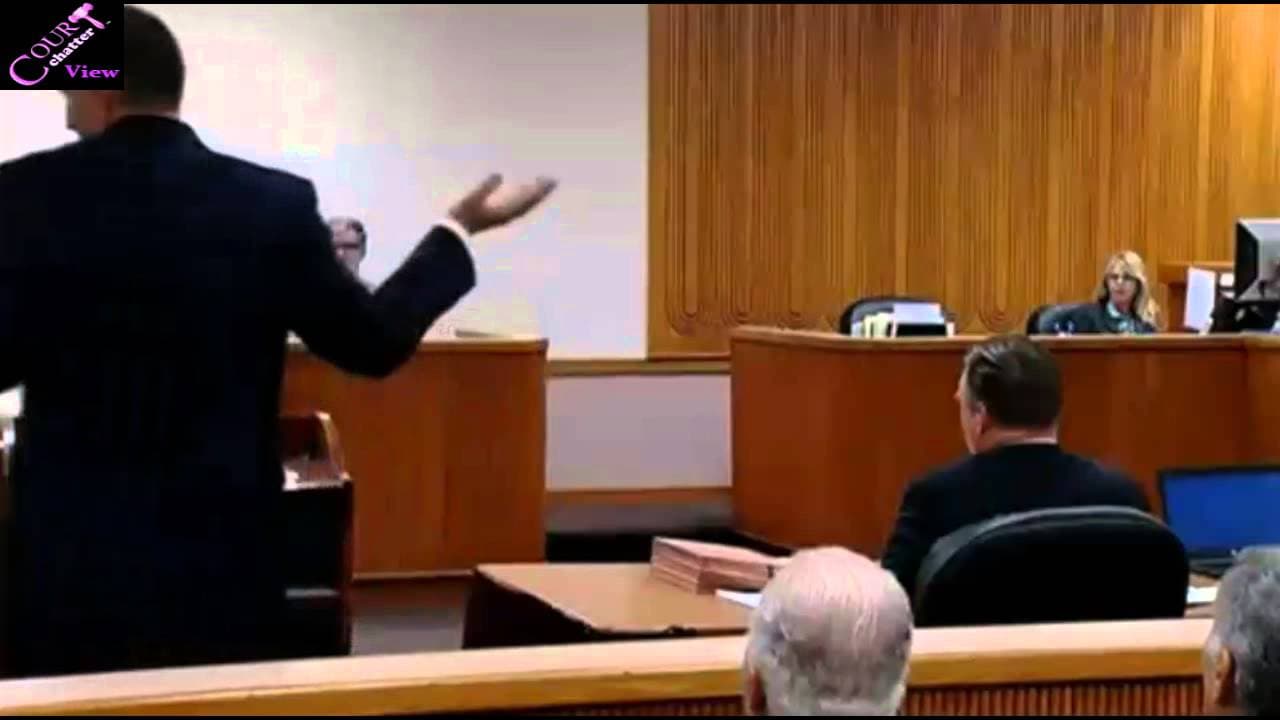
Eriese Tisdale Penalty Phase Day 2 Part 5 10/08/15
TL;DR
Forensic psychologist discusses bias, statistics, and inmate behaviors in capital cases.
Transcript
mr. Latham is almost Rebecca velum strongest i repressed injuries yes me nope come in Oh huh Oh thank you all very much for your attention your patience with mr. beigel doctor I think I'm going to become painfully obvious to everybody here my math skills are woefully inadequate tough on you but you told the jury that you've got somewhere north of 8... Read More
Key Insights
- ❓ Bias awareness is crucial in forensic assessments.
- ❓ Statistics have limitations in predicting individual behaviors.
- 👮 Negative attitudes towards law enforcement are common in prison populations.
- ❓ Context is crucial in evaluating inmate behaviors.
- 🎵 Handwritten notes may not always impact overall assessments.
- ❓ Dangerousness assessments should consider specific contexts.
- 👮 Inmate attitudes towards law enforcement do not always indicate violent intentions.
Install to Summarize YouTube Videos and Get Transcripts
Explore YouTube Video Summarizer or Get YouTube Transcript Extractor
Questions & Answers
Q: How does the forensic psychologist address biases in mental health assessments?
The psychologist emphasizes the importance of mental health experts being aware of their biases and actively working to mitigate them to maintain objectivity in their assessments. He warns against identifying too closely with a client, as that can impact objectivity.
Q: How does the psychologist view statistics in predicting inmate behaviors?
The psychologist acknowledges the limitations of using statistics to predict inmate behaviors, as individual cases can vary significantly. He highlights the need for contextual understanding when assessing the likelihood of violence in prison.
Q: What is the significance of negative attitudes towards law enforcement in a prison context?
The psychologist notes that negative attitudes towards law enforcement are common among inmates, but they do not necessarily predict violent behavior. He explains that such attitudes are widespread but not indicative of imminent danger.
Q: How does the psychologist differentiate between general attitudes and imminent threats of violence in prison?
The psychologist explains that while negative attitudes are common, an expressed intention to harm correctional officers would be considered in risk assessments. However, general animosity towards law enforcement is not a reliable indicator of future violent behavior.
Summary & Key Takeaways
-
Expert forensic psychologist discusses his extensive experience in testifying in capital cases and addressing bias in mental health assessments.
-
The psychologist explains the limitations of statistics in predicting inmate behaviors and the importance of context in assessing dangerousness.
-
He highlights the commonality of negative attitudes towards law enforcement among inmates and the relevance of inmate behaviors in a prison context.
Read in Other Languages (beta)
Share This Summary 📚
Summarize YouTube Videos and Get Video Transcripts with 1-Click
Try YouTube Summary with ChatGPT & Claude or YouTube Transcript Generator
Explore More Summaries from Law&Crime Network 📚



Summarize YouTube Videos and Get Video Transcripts with 1-Click
Try YouTube Summary with ChatGPT & Claude or YouTube Transcript Generator