6 Weird Ways To Lose Weight | Mind Pump 2297
TL;DR
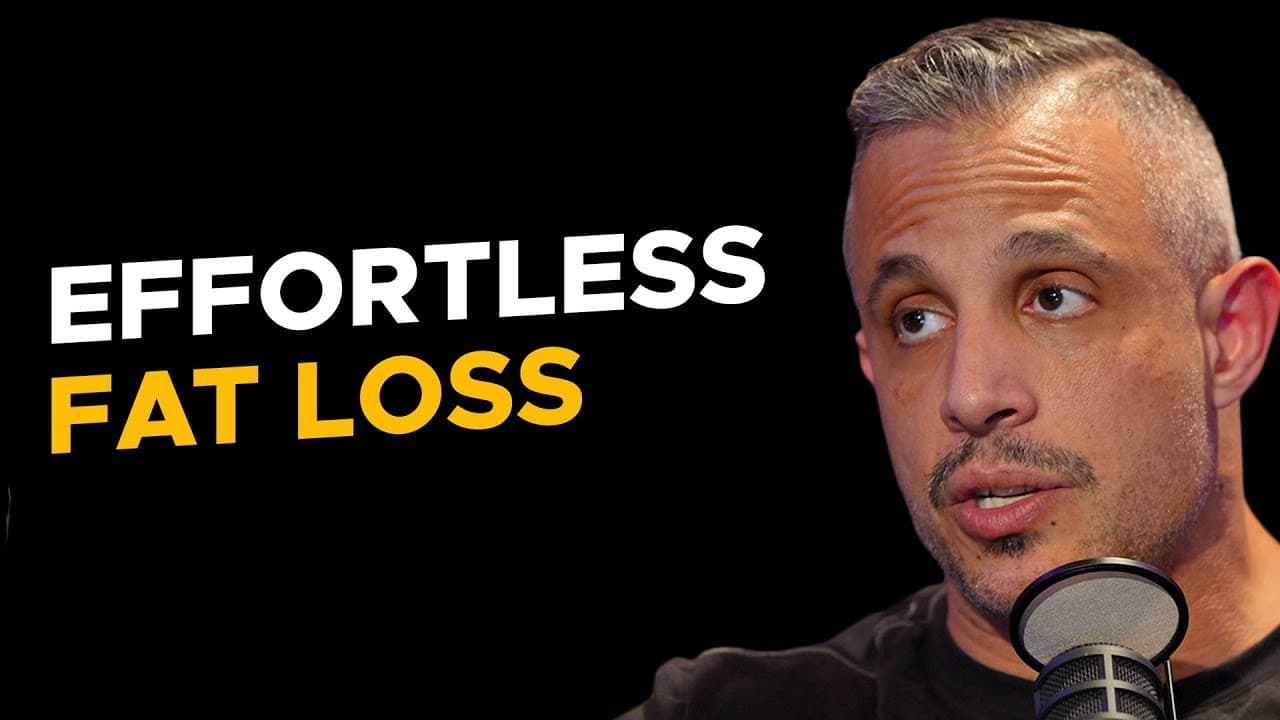
Explore unconventional methods for weight loss that don't feel restrictive.
Transcript
all right in today's episode we're going to talk about six weird ways that you can lose weight these are behaviors you could do that typically result in Fat Loss Doug are you going to really let him title it that yeah why not cu no who who searches the internet and goes that's what I want to how I want to learn nobody's attracted to says weird nobo... Read More
Key Insights
- Mindful eating can reduce calorie intake by 10%, promoting weight loss without feeling restrictive.
- Adequate sleep is crucial, as poor sleep increases obesity risk by 41%, affecting cravings and behavior.
- Walking after meals aids digestion and stabilizes blood sugar, contributing to weight management.
- Avoiding fluids while eating encourages thorough chewing, improving digestion and reducing calorie intake.
- Eating protein and fiber before carbohydrates enhances satiety, helping control calorie consumption.
- Journaling before and after meals increases mindfulness, aiding in weight loss by fostering awareness.
- Habit stacking, like adding walks to meal times, enhances adherence to new healthy behaviors.
- Changing eating behaviors without strict calorie counting can lead to sustainable weight loss.
Install to Summarize YouTube Videos and Get Transcripts
Explore YouTube Video Summarizer or Get YouTube Transcript Extractor
Questions & Answers
Q: Why is eating without distractions recommended?
Eating without distractions encourages mindful eating, which can lead to consuming fewer calories. Studies show that mindful eating can reduce calorie intake by about 10%, as it helps individuals become more aware of their hunger cues and satiety signals, preventing overeating.
Q: How does sleep affect weight loss?
Adequate sleep is crucial for weight management, as poor sleep can increase obesity risk by 41%. Lack of sleep affects hormone levels, leading to increased cravings for high-calorie foods. It also impacts energy levels, reducing motivation for physical activity, which can hinder weight loss efforts.
Q: What are the benefits of walking after meals?
Walking after meals aids in digestion and helps stabilize blood sugar levels. This simple activity can prevent large spikes and drops in blood sugar, which can lead to cravings. Additionally, walking increases daily physical activity, contributing to a calorie deficit and supporting weight loss.
Q: Why should fluids be avoided during meals?
Avoiding fluids during meals encourages thorough chewing, which is the first step in digestion. This practice slows down eating, allowing the body to properly signal satiety, which can reduce overall calorie intake. It also improves digestion, as food is better broken down before reaching the stomach.
Q: How does eating protein and fiber first aid in weight loss?
Eating protein and fiber first increases satiety, helping control calorie consumption. Protein and fiber are the most satiating macronutrients, and consuming them before carbohydrates can prevent overeating. This simple change in food order can naturally lead to a reduction in calorie intake.
Q: What is the role of journaling in weight management?
Journaling before and after meals fosters mindfulness and self-awareness. By writing down what and how they feel, individuals can identify emotional triggers and patterns in their eating habits. This awareness can lead to more conscious food choices and ultimately support weight loss.
Q: What is habit stacking and why is it effective?
Habit stacking involves adding new behaviors to existing routines, increasing the likelihood of adherence. For example, incorporating a short walk after each meal leverages the established habit of eating, making it easier to maintain long-term. This approach helps integrate healthy behaviors into daily life.
Q: How can these strategies lead to sustainable weight loss?
These strategies focus on behavioral changes rather than strict calorie counting, reducing the feeling of restriction. By encouraging mindfulness, improving sleep, and adding small activities like walking, individuals can create a natural calorie deficit. This approach supports sustainable weight loss and promotes overall well-being.
Summary & Key Takeaways
-
In this episode, the hosts discuss six unconventional methods to lose weight without the stress of calorie counting. They emphasize mindful eating, adequate sleep, and post-meal walks as effective strategies. These methods focus on behavioral changes that naturally lead to a calorie deficit, making them sustainable long-term.
-
The hosts highlight the importance of eating without distractions and avoiding fluids during meals to enhance mindfulness and digestion. They also suggest prioritizing protein and fiber intake before carbohydrates to increase satiety, which can naturally reduce overall calorie consumption.
-
Journaling about meals and feelings can help identify triggers and improve eating habits. The episode encourages incorporating these strategies into daily routines, such as walking after meals, to promote weight loss while maintaining a balanced lifestyle.
Read in Other Languages (beta)
Share This Summary 📚
Summarize YouTube Videos and Get Video Transcripts with 1-Click
Try YouTube Summary with ChatGPT & Claude or YouTube Transcript Generator
Explore More Summaries from Mind Pump Show 📚




Summarize YouTube Videos and Get Video Transcripts with 1-Click
Try YouTube Summary with ChatGPT & Claude or YouTube Transcript Generator