How Can We Improve Diversity Training for Real Change?
TL;DR
To improve diversity training and achieve meaningful change, it must incorporate diverse perspectives, adapt to various learning styles, and shift from biased, stereotype-driven content. Prioritizing experiential learning, psychological safety, and ongoing education ensures that diverse identities and unique experiences are acknowledged, creating a more inclusive environment for all.
Transcript
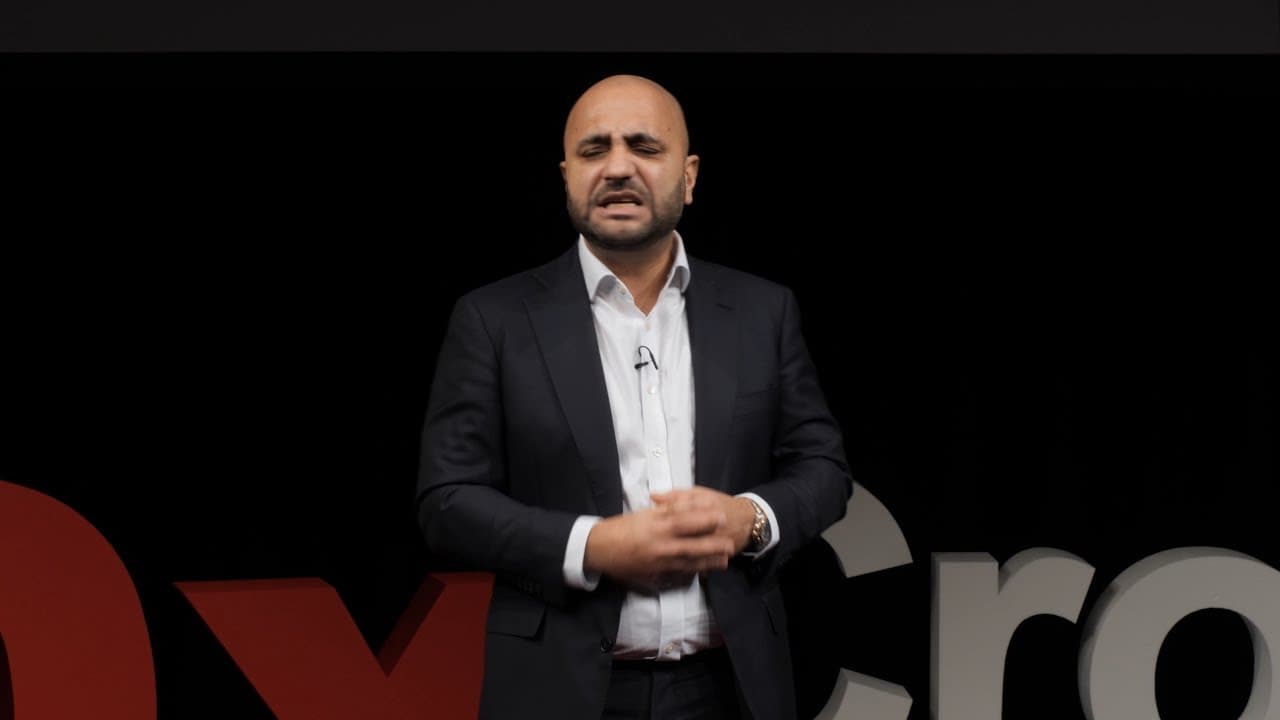
thank you diversity Equity inclusion a topic that we've heard so much about in the last couple of years an area that we see so much investment in every organization trying to drive change trying to create a workplace that's more inclusive a society that's more inclusive in the U.S alone last year eight billion dollars were spent on diversity traini... Read More
Key Insights
- 🚩 Diversity training is not driving the desired change and success in creating an inclusive workplace and society, despite the billions of dollars invested globally in it.
- 💡 Education as a whole plays a crucial role in embedding change and creating a more inclusive society, but it often lacks diversity and encompasses biased content and assumptions.
- 📚 Traditional education, such as case studies and history lessons, often fails to provide diverse perspectives, leading to a lack of representation and limiting opportunities for marginalized individuals.
- 🌍 Diversity training predominantly focuses on dominant cultures and fails to recognize the unique identities and experiences of diverse communities globally.
- 🖼 One-dimensional representations of diversity, such as using a single image or poster to represent a whole community, contribute to stereotypes and limit understanding.
- 🌱 Diversity training should embrace open-source information, local perspectives, storytelling, and diverse experiences to foster meaningful change.
- 🔄 Experiential learning, including discomfort and diversity of experiences, is essential in promoting understanding and driving change in the diversity space.
- 🌟 Psychological safety, group discussions, and self-led learning are vital for creating inclusive environments where individuals can learn, share, and have challenging conversations.
- 🔄 Diversity education should be a continuous and lifelong journey for all individuals, as it is a business imperative and crucial for the success of organizations in the future.
Install to Summarize YouTube Videos and Get Transcripts
Explore YouTube Video Summarizer or Get YouTube Transcript Extractor
Questions & Answers
Q: How does traditional diversity training fall short in creating an inclusive workplace?
Traditional diversity training often reinforces stereotypes and lacks inclusivity, leading to a failure in driving real change. It relies on biased perspectives and overlooks the diverse experiences and identities within marginalized communities. By reducing diversity to one-dimensional representations, it fails to address the complexities and nuances of individuals, hindering the progress towards equity and inclusion.
Q: How can education be improved to support diversity and inclusion?
Education should prioritize diverse perspectives and representation, breaking away from the dominant culture's narrative. Open-source information and localized content can offer a broader understanding of diversity, respecting different lived experiences. Incorporating storytelling and experiential learning can create impactful experiences, challenging individuals' biases and encouraging empathy. By fostering psychologically safe environments for dialogue and self-led learning, education can empower individuals to take ownership of their learning journey.
Q: Why is continuous learning crucial for diversity and inclusion?
Brief diversity training programs or one-time workshops are insufficient in driving lasting behavior change. Continuous learning and practice are necessary to embed inclusive behaviors, allowing individuals to internalize and apply their knowledge. Diversity education should be a lifelong journey, accessible to all individuals within the workplace and beyond. By recognizing that diversity and inclusion are business imperatives, organizations can prioritize continuous education for the success of their institution and the satisfaction of future generations.
Q: How can diversifying experiences contribute to learning and understanding?
Diversifying experiences outside of usual environments, such as the workplace or school, is essential to broaden perspectives and challenge biases. Stepping out of comfort zones and engaging with different people and situations enables individuals to learn and understand diverse perspectives and cultures. By embracing discomfort and actively seeking diverse experiences, individuals can foster a deeper understanding of diversity, leading to more meaningful and lasting change.
Summary & Key Takeaways
-
Traditional diversity training is biased, stereotypical, and fails to create the desired inclusive and equitable workplace.
-
Education as a whole needs to be critically examined, as it often lacks diverse perspectives and fails to provide representation for underrepresented groups.
-
Different learning styles and neurodiversity must be taken into account to create effective education that leads to meaningful change.
Read in Other Languages (beta)
Share This Summary 📚
Summarize YouTube Videos and Get Video Transcripts with 1-Click
Try YouTube Summary with ChatGPT & Claude or YouTube Transcript Generator
Explore More Summaries from TEDx Talks 📚





Summarize YouTube Videos and Get Video Transcripts with 1-Click
Try YouTube Summary with ChatGPT & Claude or YouTube Transcript Generator