Towards Humane Cities | John Lin
TL;DR
Exploring the intersections and contradictions between urban and rural environments in the age of rapid urbanization.
Transcript
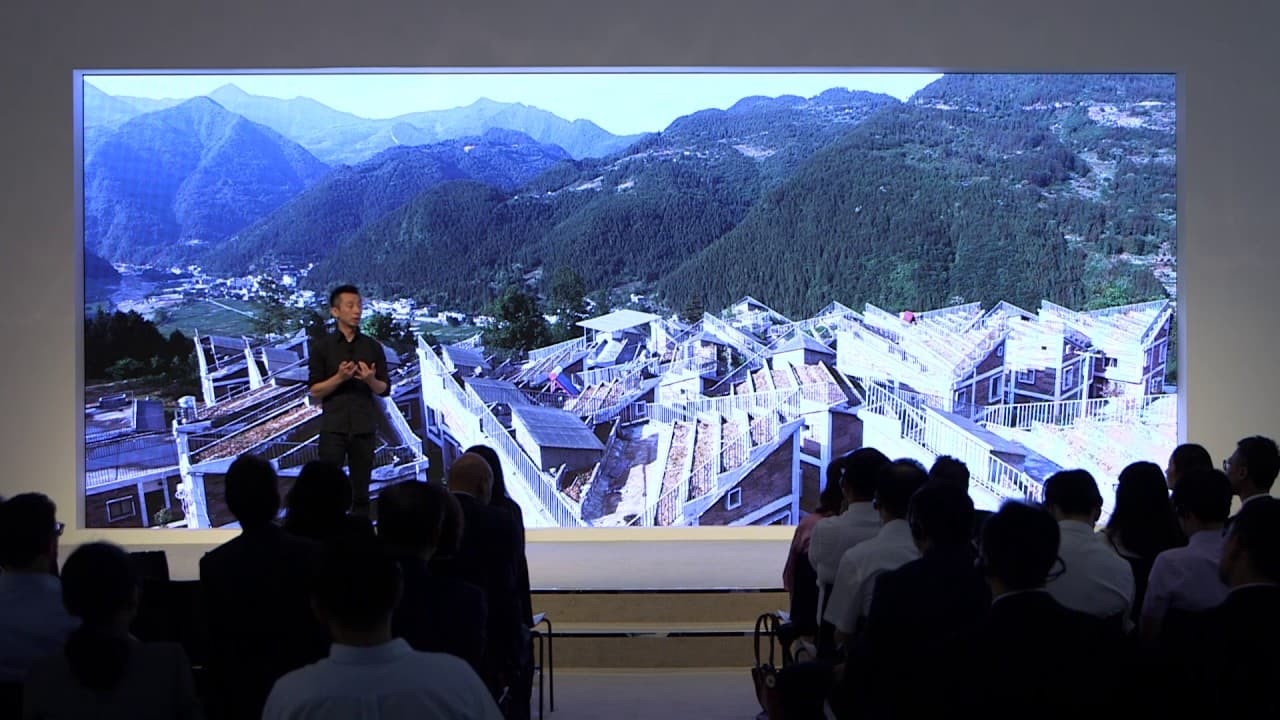
okay so I'd like to start today by thinking about the relationship between the rural and the urban so I've heard that you're all geniuses here so I've tried to make this very simple I've devised a very simple test the image on the left or the right is rural and urban but really it's about the concept of what is real what is urban for some of you ma... Read More
Key Insights
- ❓ Rapid urbanization results in infrastructural disruptions and densification in rural areas.
- 🥺 Migration to cities leads to population decline in rural villages while increasing building density.
- 👳 Design solutions can integrate traditional rural practices with modern urban development.
- 🪡 Balancing infrastructural needs with community engagement is crucial for sustainable urbanization.
- 👳 Collaborative funding models enhance the impact of urban design interventions.
- 👾 The blurring of rural and urban boundaries challenges traditional definitions of living spaces.
- 👳 Initiatives like the Gear Plugin project aim to preserve cultural heritage in changing urban landscapes.
Install to Summarize YouTube Videos and Get Transcripts
Explore YouTube Video Summarizer or Get YouTube Transcript Extractor
Questions & Answers
Q: What are some paradoxes that arise from rapid urbanization?
Rapid urbanization creates disruptions like infrastructural disconnections, densification of villages, and the blurring of rural and urban distinctions. These paradoxes challenge traditional living patterns and require innovative design solutions.
Q: How do design solutions assist in bridging urban and rural divides?
Design solutions address infrastructural disruptions by integrating public spaces, ecological elements, and social infrastructure into urban projects like schools and healthcare centers. These interventions aim to harmonize the collisions between urbanization forces and local conditions.
Q: How does the migration of villagers impact rural areas?
Villagers migrate to cities for work, leading to population decline in rural areas. However, the building density increases as remaining residents invest in constructing houses, creating denser communities while transforming traditional family structures.
Q: What initiatives aim to preserve traditional rural lifestyles in urban settings?
Projects like the Gear Plugin idea and community development efforts in Mongolian ger districts focus on evolving traditional structures to meet modern needs while maintaining cultural integrity. These initiatives strive to blend traditional rural practices with urban living.
Summary & Key Takeaways
-
Addressing the relationship between rural and urban areas amidst rapid urbanization.
-
Discussing five paradoxes that arise during the urbanization process.
-
Showcasing design solutions that bridge the gap between traditional rural living and modern urban development.
Read in Other Languages (beta)
Share This Summary 📚
Summarize YouTube Videos and Get Video Transcripts with 1-Click
Try YouTube Summary with ChatGPT & Claude or YouTube Transcript Generator
Explore More Summaries from World Economic Forum 📚

Summarize YouTube Videos and Get Video Transcripts with 1-Click
Try YouTube Summary with ChatGPT & Claude or YouTube Transcript Generator