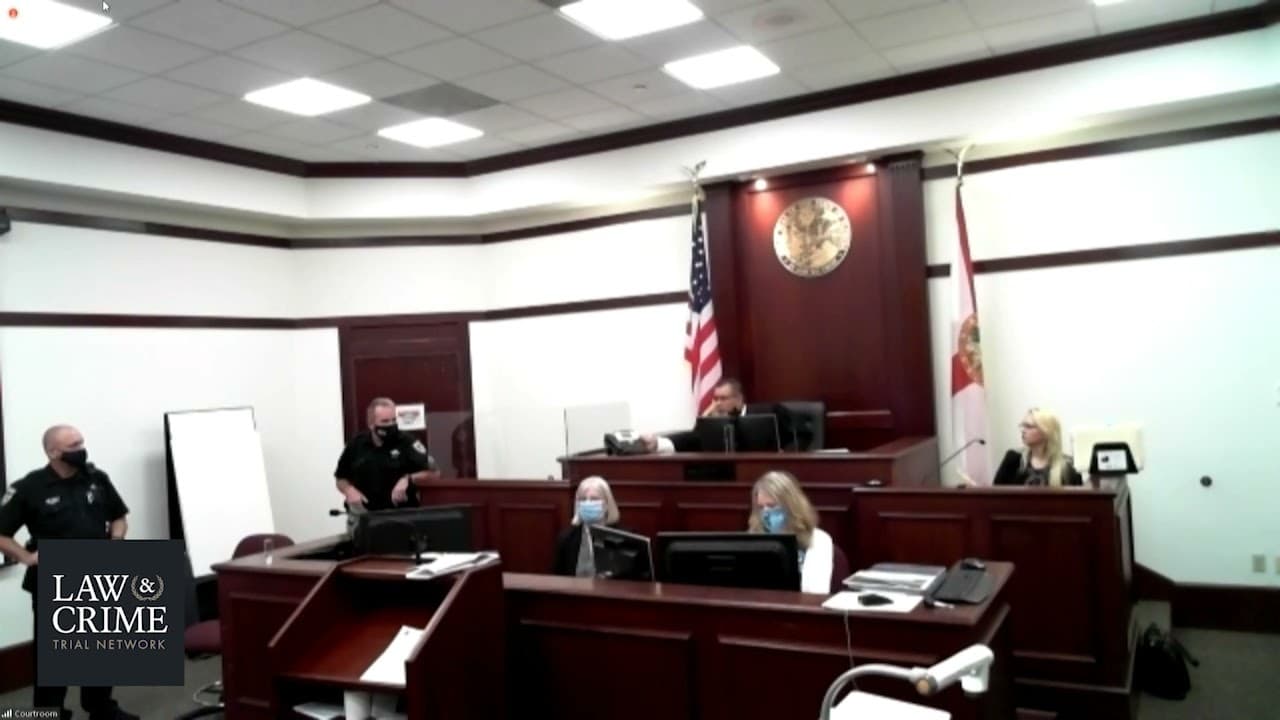
Robert Hayes Hearing Day 1 Part 4 Special Agent Matthew Matino
TL;DR
Analyzing DNA profiles from evidence to determine potential suspects.
Transcript
these are next chronologically but uh peace what's the name of your witness it's detective matino matthew matino m-a-t-t-i-n-l make sure you get give him another minute come on and give me it i supposed well we're waiting for him judge i didn't want to ask when this court knows we're going to be hearing from multiple dna experts does the court does... Read More
Key Insights
- 🖐️ DNA analysis plays a crucial role in forensic investigations to identify potential suspects.
- 🧬 Advancements in DNA technology have improved the accuracy of profile analysis over the years.
- 🧬 Comparing DNA profiles from different samples helps in excluding or matching potential suspects.
- 📁 Secondary standards, such as discarded items, are used in DNA analysis when direct samples are not available.
- 👪 Genetic genealogy assists in creating family trees and identifying relatives based on DNA samples.
- 🧬 Statistical analysis is used to determine the likelihood of a match in forensic DNA investigations.
- 💁 Preserved DNA samples from evidence can provide valuable information even years after collection.
Install to Summarize YouTube Videos and Get Transcripts
Explore YouTube Video Summarizer or Get YouTube Transcript Extractor
Questions & Answers
Q: How do DNA experts determine matches and exclusions in forensic cases?
DNA experts compare DNA profiles obtained from evidence to known samples to identify matches and exclusions. Statistical analysis is conducted to determine the likelihood of a match.
Q: What is the significance of secondary standards in DNA analysis?
Secondary standards in DNA analysis are used when direct samples are not available. They are samples obtained from discarded items such as cigarette butts or beer bottles and are compared to DNA profiles from evidence.
Q: How has DNA technology evolved from 2005 to now?
DNA technology has advanced over the years, increasing the number of loci analyzed to provide more reliable profiles. New kits now analyze up to 21 loci compared to the previous 13, allowing for more accurate matches.
Q: What is the purpose of genetic genealogy in forensic investigations?
Genetic genealogy is used to create family trees and identify potential relatives based on DNA samples. This can help in identifying suspects or victims in forensic cases.
Summary & Key Takeaways
-
Witnesses discuss DNA profiles obtained from various items in forensic cases.
-
DNA experts testify about matches and exclusions from different samples.
-
Detailed analysis of DNA profiles helps in identifying potential suspects.
Read in Other Languages (beta)
Share This Summary 📚
Summarize YouTube Videos and Get Video Transcripts with 1-Click
Try YouTube Summary with ChatGPT & Claude or YouTube Transcript Generator
Explore More Summaries from Law&Crime Network 📚






Summarize YouTube Videos and Get Video Transcripts with 1-Click
Try YouTube Summary with ChatGPT & Claude or YouTube Transcript Generator