Earth 101 | National Geographic
TL;DR
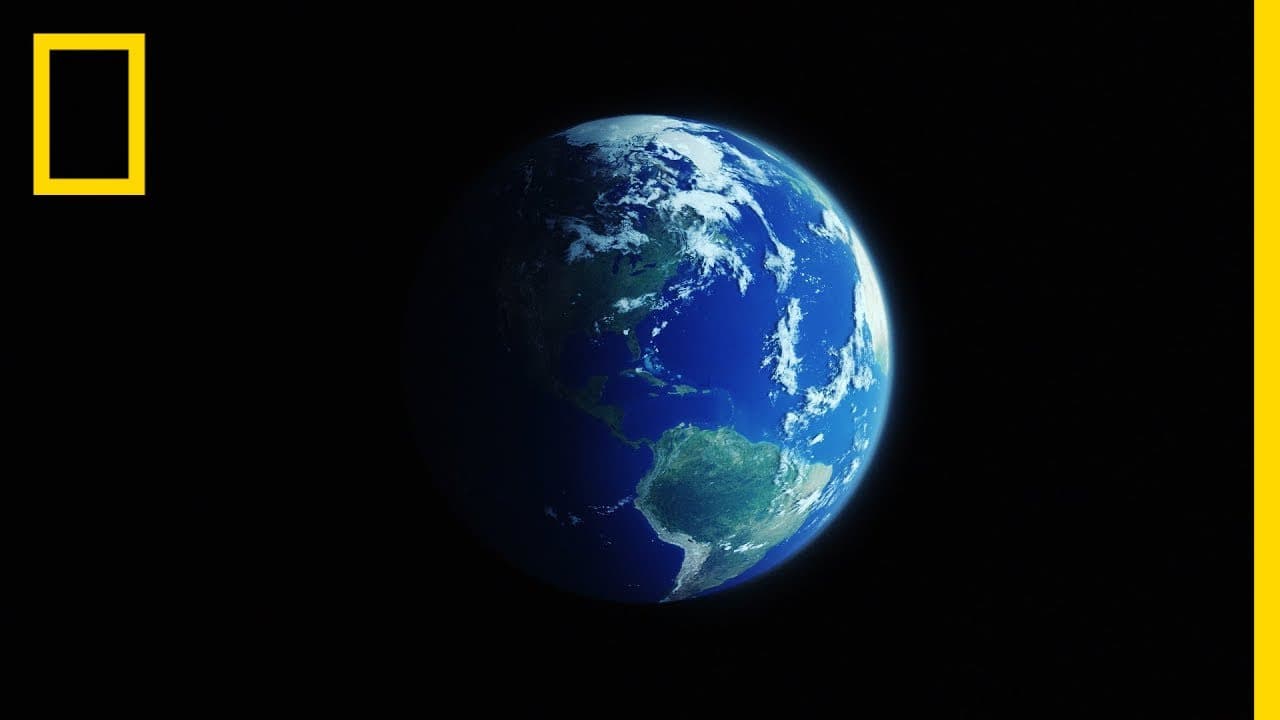
Earth's unique position and water foster life, creating a diverse ecosystem.
Transcript
- [Narrator] Earth, the only planet known to maintain life. A product of scientific phenomena and sheer chance. This blue speck in space holds the past, present, and future, of our very existence. (instrumental music) Approximately 4.5 billion years ago, the Earth formed from particles left over from the creation of our sun. Gravity drew these part... Read More
Key Insights
- 😎 Earth formed 4.5 billion years ago from particles leftover from the sun's creation.
- 😎 Earth's unique distance from the sun allows for liquid water, essential for life.
- 🌊 Water on Earth hydrates the land, forms oceans, and adds moisture to the atmosphere.
- 🌍 Earth's biodiversity includes an estimated 1.5 million cataloged species.
- 🤽 Liquid water on Earth's surface plays a crucial role in fostering life and supporting ecosystems.
- 🌐 Earth's global ecosystem is as grand as the astronomical events that made it possible.
- 💦 The presence of liquid water on Earth is a defining factor in supporting life and biodiversity.
Install to Summarize YouTube Videos and Get Transcripts
Explore YouTube Video Summarizer or Get YouTube Transcript Extractor
Questions & Answers
Q: How did Earth form according to scientific theories?
Earth formed approximately 4.5 billion years ago from particles left over from the creation of the sun, drawn together by gravity to build the rocky mass we know today.
Q: What makes Earth unique compared to other planets in our solar system?
Earth's unique distance from the sun allows for liquid water on the surface, essential for nurturing life, creating diverse ecosystems, and sustaining biodiversity.
Q: How does water on Earth contribute to the planet's ecosystem?
Water hydrates the land, forms oceans and freshwater systems, and contributes to Earth's protective atmosphere, creating a cascade effect that supports and sustains life on the planet.
Q: Why is Earth often referred to as the only known planet to harbor life?
Earth's diverse ecosystems, expansive biodiversity, and the presence of liquid water on its surface make it the only known planet in the universe to support and sustain life.
Summary & Key Takeaways
-
Earth formed 4.5 billion years ago from particles drawn together by gravity, creating a rocky mass orbiting the sun.
-
Its distance from the sun allows for liquid water on the surface, essential for life and biodiversity.
-
Earth's global ecosystem, fueled by water, is as grand as the astronomical events that made it possible.
Read in Other Languages (beta)
Share This Summary 📚
Summarize YouTube Videos and Get Video Transcripts with 1-Click
Try YouTube Summary with ChatGPT & Claude or YouTube Transcript Generator
Explore More Summaries from National Geographic 📚



Summarize YouTube Videos and Get Video Transcripts with 1-Click
Try YouTube Summary with ChatGPT & Claude or YouTube Transcript Generator