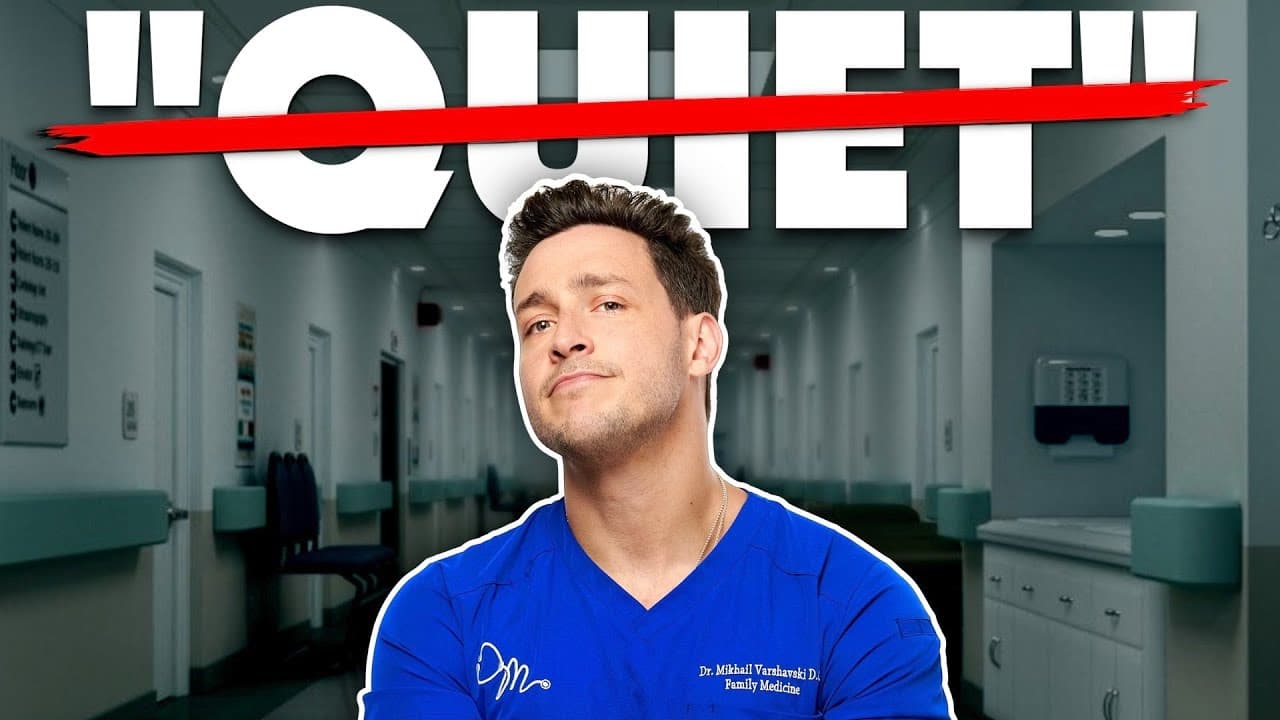
What Should You Never Do in a Hospital?
TL;DR
To ensure optimal care in a hospital, avoid saying 'quiet' to staff, as it often leads to increased chaos. Never discuss patient information in public spaces like elevators and always advocate for yourself to prevent medical errors. Additionally, avoid reaching into trash bins, eating patients' food, or taking home medications, as these can compromise your safety and treatment.
Transcript
- The goal of going to a hospital is to get good care, so if you want good care, avoid doing these things. Huge thanks to ShipStation for sponsoring this video. Never say the Q word, and I'm not saying quack, I'm saying quiet. Quiet is the worst thing to say. If you say to someone, "Have a quiet shift", you will send shivers down their spine, 'caus... Read More
Key Insights
- 🤭 Wishing for a "quiet" shift can inadvertently lead to increased medical emergencies for the staff.
- 😨 Discussions regarding patient care should always remain confidential and not occur in public spaces.
- 🏥 The five-second rule should never apply in hospital settings due to the risk of ingesting harmful bacteria.
- 🏥 Quick discharges from hospitals are often in the patient’s best interest to prevent hospital-acquired infections and complications.
- 😨 Advocating for oneself in a healthcare setting can help ensure proper care and prevent misunderstandings or mistakes.
- 🧑🦯 Patients should avoid reaching into trash bins in hospitals to prevent potential injuries from sharps or contaminated materials.
- 😅 Eating food belonging to admitted patients can affect medical evaluations and treatment plans, making it crucial to respect dietary protocols.
Install to Summarize YouTube Videos and Get Transcripts
Explore YouTube Video Summarizer or Get YouTube Transcript Extractor
Questions & Answers
Q: Why should you never say "quiet" to hospital staff?
Saying "quiet" is considered a jinx among hospital staff, as it often leads to an influx of new admissions and emergencies. Nurses and doctors associate the term with a busy shift, which can result in an overwhelming workload and stress. Instead of wishing for peace, it’s more beneficial to express appreciation for their hard work.
Q: What is the importance of maintaining patient confidentiality in hospitals?
Patient confidentiality is critical for respecting individual privacy and complying with HIPAA regulations. Discussing patient information in public, like elevators, could lead to breaches of privacy and expose sensitive health information to unauthorized individuals. Ensuring confidentiality is paramount to creating a trustworthy healthcare environment.
Q: Why should patients avoid the five-second rule in hospitals?
The five-second rule is particularly dangerous in hospitals due to the presence of multiple drug-resistant organisms, or MDROs, which can cause severe infections. Consuming food that has fallen on the floor can lead to serious health complications, as hospitals often harbor these resistant bacteria, making it unsafe to disregard hygiene standards.
Q: How can patients effectively advocate for themselves in a hospital?
Patients should not hesitate to ask questions and seek clarifications during their hospital stay. It’s crucial to verify information, especially during handoffs between medical staff, where errors can occur. Advocacy can be vital in ensuring accurate treatment and avoiding potential medical mistakes that could endanger the patient's health.
Summary & Key Takeaways
-
To receive optimal care in a hospital, avoid wishing for a "quiet" shift, as it often leads to increased chaos and admissions for staff.
-
Protect patient confidentiality by refraining from discussing medical matters in public spaces like elevators; it’s essential for respecting privacy and legal guidelines.
-
Always advocate for yourself and your loved ones during hospital stays, as questions and clarification can prevent medical errors and improve overall care.
Read in Other Languages (beta)
Share This Summary 📚
Summarize YouTube Videos and Get Video Transcripts with 1-Click
Try YouTube Summary with ChatGPT & Claude or YouTube Transcript Generator
Explore More Summaries from Doctor Mike 📚




Summarize YouTube Videos and Get Video Transcripts with 1-Click
Try YouTube Summary with ChatGPT & Claude or YouTube Transcript Generator