What Are Endothermic Reactions and How Do They Work?
TL;DR
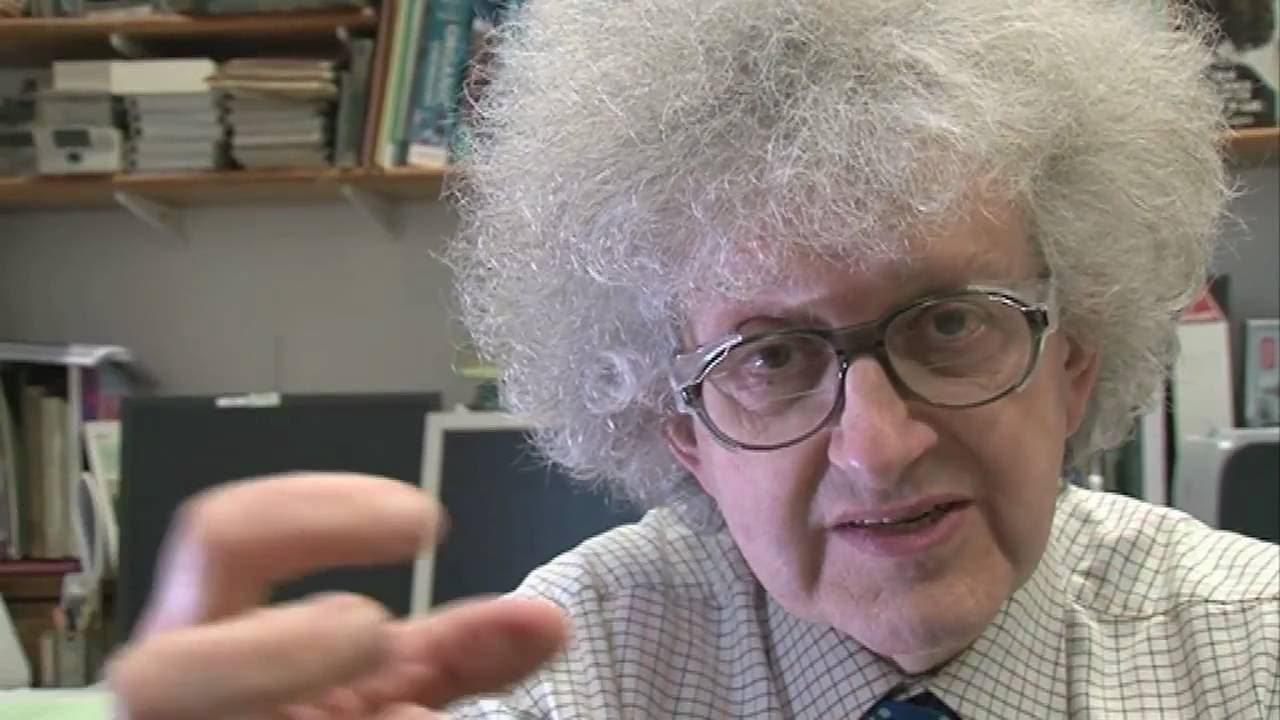
Endothermic reactions absorb heat from their surroundings, resulting in a cooling effect. For instance, when ammonium nitrate dissolves in water, it requires heat, which causes a significant drop in temperature, demonstrating this process in action.
Transcript
this word is endothermic sender thermic is a reaction or a process that actually takes in energy in the form of heat from its surrounding area when you have chemical reactions some chemical reactions need heat to make them go the products of the reaction have more energy in them than your starting materials it will actually suck in this heat energy... Read More
Key Insights
- 🥵 Endothermic reactions absorb heat, making substances colder.
- 🥵 Chemists focus on heat flow to classify reactions as endothermic.
- 🛀 The demonstration with ammonium nitrate showed a drastic decrease in temperature.
- 💁 Endothermic reactions require an input of energy to break and form chemical bonds.
- 🥶 Nitric acid and ice mixing historically defined zero on the Fahrenheit scale.
- 💦 Reactions involving dissolution in water can exhibit endothermic properties.
- ❓ Understanding endothermic reactions is crucial in various chemical processes.
Install to Summarize YouTube Videos and Get Transcripts
Explore YouTube Video Summarizer or Get YouTube Transcript Extractor
Questions & Answers
Q: What is an endothermic reaction?
An endothermic reaction is a process that absorbs heat from the surroundings, resulting in a decrease in temperature. It requires an input of energy to proceed, making substances colder during the reaction.
Q: How do chemists determine if a reaction is endothermic?
Chemists determine if a reaction is endothermic by observing if heat flows into the reaction. If the reaction requires heat to proceed and makes the surroundings colder, it is classified as endothermic.
Q: Why do endothermic reactions need heat to proceed?
Endothermic reactions require heat to overcome the activation energy needed to break strong chemical bonds and form weaker ones. The net energy change is negative, resulting in a decrease in temperature.
Q: How was endothermic mixing of nitric acid and ice used historically?
Fahrenheit used the endothermic reaction between nitric acid and ice to define zero on the Fahrenheit temperature scale, as the reaction resulted in a significant drop in temperature, symbolizing extreme cold.
Summary & Key Takeaways
-
Endothermic reactions absorb heat, making substances colder.
-
Chemists focus on heat flow in reactions to determine if they are endothermic.
-
Demonstrated with ammonium nitrate dissolving in water, showing a significant drop in temperature.
Read in Other Languages (beta)
Share This Summary 📚
Summarize YouTube Videos and Get Video Transcripts with 1-Click
Try YouTube Summary with ChatGPT & Claude or YouTube Transcript Generator
Explore More Summaries from Periodic Videos 📚

Summarize YouTube Videos and Get Video Transcripts with 1-Click
Try YouTube Summary with ChatGPT & Claude or YouTube Transcript Generator