How to Trade Bull Put Spreads for Profit
TL;DR
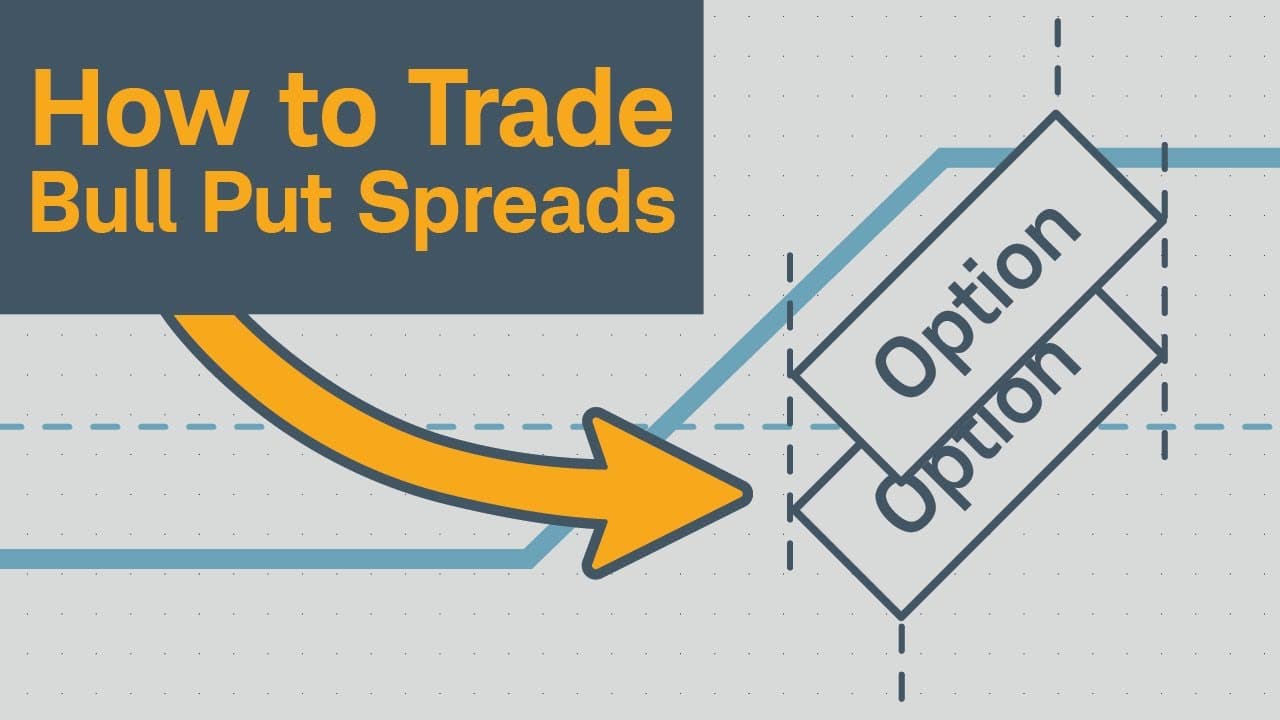
To trade bull put spreads, sell an out-of-the-money put option and buy another put with a lower strike price for protection. This strategy allows you to define your maximum risk and reward, aiming for both options to expire worthless for a net credit. It provides a higher probability of success compared to other bullish strategies since the stock can rise, stay flat, or even decrease slightly while still potentially being profitable.
Transcript
When you're trading options, especially if you're a beginner, you may lean toward single options strategies like long calls or short puts because you only have to manage one option. But these strategies have some drawbacks. With long calls you have to correctly predict short-term stock behavior, which isn't easy. Naked puts carry substantial risk, ... Read More
Key Insights
- 👻 Short put verticals allow traders to define their risk and reward, offering flexibility in managing potential profits and probability of success.
- 😘 The strategy combines selling an out-of-the-money put option with buying a put option at a lower strike price for protection.
- 👻 Short put verticals can be a higher probability strategy compared to single options strategies like long calls, as they allow for different stock price movements while maintaining potential profitability.
- 🍰 Traders should consider risk versus return when choosing short put verticals, balancing the amount of profit they are willing to trade for the probability of success.
- ⌛ Price, time, and volatility are the three main forces that impact the value of short put vertical options. Delta measures price impact, theta measures time decay impact, and vega measures volatility impact.
- ✳️ It's important to actively manage short put vertical trades, considering factors such as stock movements, potential assignment risk, and trade risk.
Install to Summarize YouTube Videos and Get Transcripts
Explore YouTube Video Summarizer or Get YouTube Transcript Extractor
Questions & Answers
Q: What is a short put vertical and how does it work?
A short put vertical involves selling an out-of-the-money put option and simultaneously buying another put option with a lower strike price. The short put benefits from time decay and profits when the underlying stock goes up, while the long put hedges the risk. This strategy allows traders to define their risk and reward.
Q: How is risk and return balanced in a short put vertical?
Short put verticals offer defined risk and reward. The maximum loss is the difference between the strike prices minus the credit received, while the maximum gain is the credit received initially. This strategy offers higher probability of success compared to other bullish strategies but caps potential profit.
Q: What happens if the stock price stays above the short put strike at expiration?
If the stock price stays above the short put strike at expiration, both options would expire out of the money, resulting in a net credit for the trader.
Q: How can traders manage short put verticals when the stock price ends up between the strikes?
If the stock price ends up between the strikes, there are a few options for managing the trade. Traders can let the trade expire and get assigned stock, close both the long and short puts to lock in remaining premium, or take other actions based on their risk tolerance and goals.
Summary & Key Takeaways
-
Short put verticals involve selling an out-of-the-money put option and buying another put option with a lower strike price for protection.
-
This strategy allows traders to define their risk and reward, capping potential gains while limiting potential losses.
-
The ideal outcome is for both options to expire worthless, resulting in a net credit. However, there are potential outcomes where the short put is assigned or the stock ends up between the strikes.
Read in Other Languages (beta)
Share This Summary 📚
Summarize YouTube Videos and Get Video Transcripts with 1-Click
Try YouTube Summary with ChatGPT & Claude or YouTube Transcript Generator
Explore More Summaries from Charles Schwab 📚



Summarize YouTube Videos and Get Video Transcripts with 1-Click
Try YouTube Summary with ChatGPT & Claude or YouTube Transcript Generator