How Did SoHo Evolve into NYC's Iconic Cast Iron District?
TL;DR
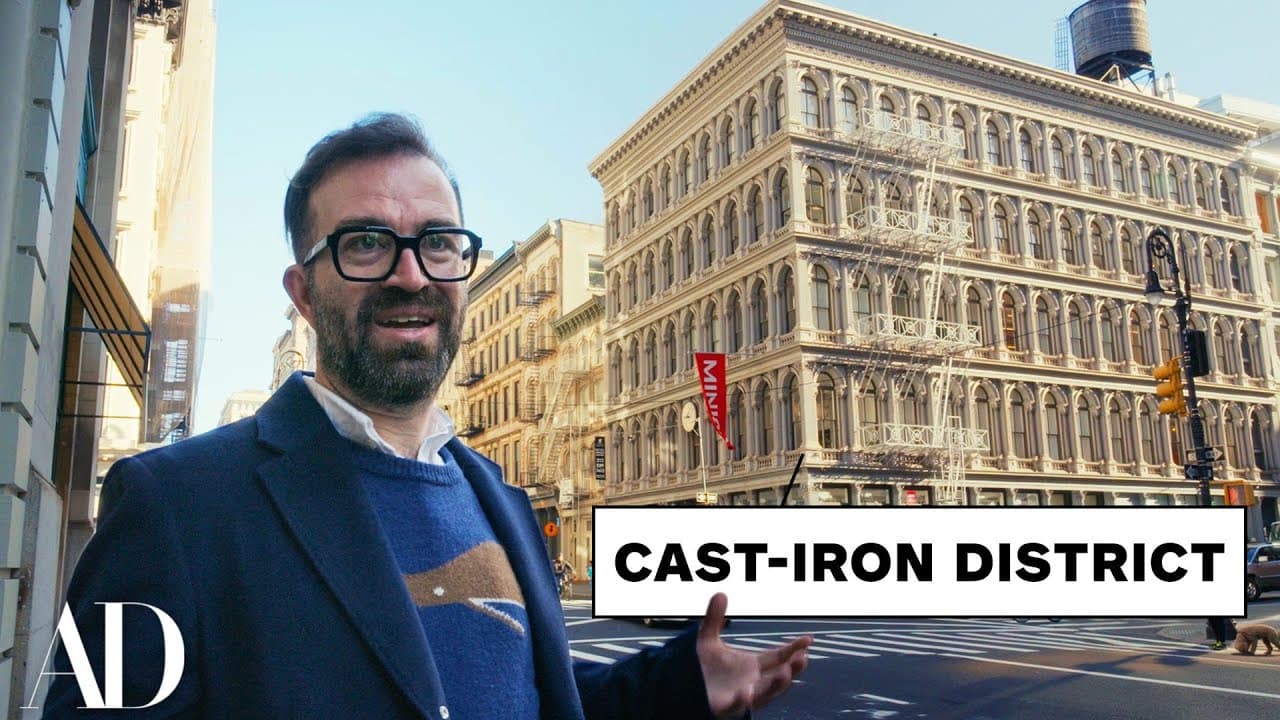
SoHo transformed from an industrial area to a luxury residential neighborhood, largely due to its unique cast iron architecture. Developed in the 19th century, these buildings replicated stone affordably, showcasing diverse European styles. Today, the revival of retail in SoHo highlights the original intent of these historic structures, blending past and present.
Transcript
I'm Nick Potts I'm an architect today we are in Soho's cast iron district and we're going to be doing an architectural walking tour of the neighborhood so the word Soho to described this neighborhood is actually a fairly recent invention from the 1960s where the real estate industry was looking to Rebrand this neighborhood to describe an area that'... Read More
Key Insights
- 🤪 SoHo went through a transformation from an industrial neighborhood to a luxury residential area.
- 😘 Cast iron buildings became popular due to their ability to replicate stone at a lower cost.
- 🏰 The architectural styles of cast iron buildings in SoHo were inventive and influenced by different European architectural traditions.
- 😓 Later buildings began to incorporate more contemporary materials and architectural styles while still incorporating elements of cast iron architecture.
- 😒 The use of cast iron in buildings declined with the introduction of steel and the discovery of its vulnerability to fire.
- ♻️ The revival of retail in SoHo has brought back the original purpose of these cast iron buildings, providing a perfect environment for shopping.
Install to Summarize YouTube Videos and Get Transcripts
Explore YouTube Video Summarizer or Get YouTube Transcript Extractor
Questions & Answers
Q: How did the term "Soho" come about to describe the neighborhood?
The name "Soho" was created in the 1960s by the real estate industry to rebrand the area south of Houston Street and create a new identity for the neighborhood.
Q: What led to the rapid development of cast iron buildings in SoHo?
The rapid industrialization in the 1860s and 1870s, combined with the invention and fabrication of cast iron buildings in Tribeca, contributed to the high concentration of cast iron buildings in SoHo.
Q: How did cast iron buildings imitate stone?
Cast iron became popular because it could replicate stone at a lower cost. The detailing on cast iron buildings, such as vermiculated textures imitating worm-eaten wood, imitated the appearance of carved stone.
Q: How did the architect of 40 Bond incorporate the language of SoHo into the contemporary building?
The architect, Herzog & de Meuron, used glass as an experimental material, similar to how cast iron was used in the middle of the 19th century. The repetition of elements and decorative cast metal ornamentation also paid homage to the cast iron columns and pilasters found in SoHo.
Summary & Key Takeaways
-
SoHo, meaning south of Houston Street, was rebranded in the 1960s as a luxury residential neighborhood, but its history dates back to its industrial roots in the 19th century.
-
The high concentration of cast iron buildings in SoHo was a result of rapid industrialization in the 1860s and 1870s, and the invention of cast iron in Tribeca.
-
Cast iron buildings allowed for replicating stone at a lower cost, leading to the creation of commercial buildings that communicated luxury and embraced new architectural styles.
Read in Other Languages (beta)
Share This Summary 📚
Summarize YouTube Videos and Get Video Transcripts with 1-Click
Try YouTube Summary with ChatGPT & Claude or YouTube Transcript Generator
Explore More Summaries from Architectural Digest 📚






Summarize YouTube Videos and Get Video Transcripts with 1-Click
Try YouTube Summary with ChatGPT & Claude or YouTube Transcript Generator