How to Determine When You Have Too Much Stuff

TL;DR
The key to managing excess possessions is understanding what 'enough' means for you and letting go of what doesn't add value to your life. This involves a mindful process of decluttering and making intentional choices about what to keep, sell, or donate, allowing for greater freedom and less stress.
Transcript
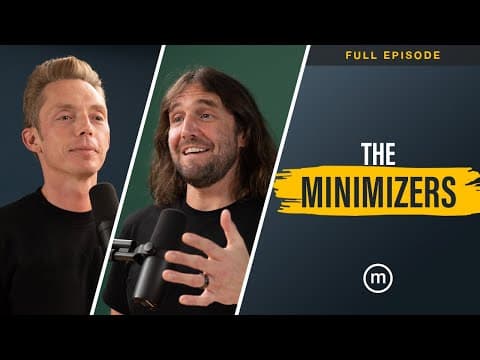
hello minimizers welcome to the minimalist podcast where we discuss what it means to live a meaningful life with less my name is Joshua Fields Milburn and I'm Ryan Nicodemus and together we are the minimalists Ryan how much stuff is enough stuff how much stuff is too much stuff that's what we're talking about today on the public podcast then this T... Read More
Key Insights
- Burnout from clutter is common; planning and taking small steps can help alleviate it.
- Letting go involves both physical and emotional detachment from possessions.
- A practical approach to decluttering is to sell items above a certain value and donate or recycle the rest.
- Minimalism is not about reaching a specific number of possessions but about removing what's unnecessary.
- Judgment towards others' consumption often reflects personal insecurities.
- Compassion and understanding are essential when dealing with loved ones' consumer habits.
- Consumerism becomes problematic when it turns into compulsive behavior.
- Freedom comes from realizing you don't need what you thought you needed.
Install to Summarize YouTube Videos and Get Transcripts
Explore YouTube Video Summarizer or Get YouTube Transcript Extractor
Questions & Answers
Q: How do you avoid burnout when sorting through generations of stuff?
Burnout is common when dealing with clutter. To avoid it, break the process into manageable chunks and tackle one small area at a time. Having a clear plan and setting realistic goals can provide a sense of progress and prevent feeling overwhelmed.
Q: What does 'letting go' mean in the context of minimalism?
Letting go means releasing both the physical items and the emotional attachment to them. It's about refusing to cling to things that don't add value to your life and finding freedom in not needing those possessions. This process leads to reduced stress and a more meaningful life.
Q: How do you decide what to sell, donate, or discard?
Decide based on the item's value and your personal threshold. Sell items above a certain value, donate what doesn't sell within a set timeframe, and recycle or discard items that can't be sold or donated. This method ensures a systematic approach to decluttering.
Q: How can you address a loved one's consumerism that causes discomfort?
Addressing a loved one's consumerism involves compassion and understanding. Recognize that judgment often reflects personal insecurities. Encourage open conversations about values and needs, and focus on setting personal boundaries rather than trying to change their habits.
Q: What is the minimalist approach to possessions?
The minimalist approach isn't about having a specific number of items but about removing what doesn't add value to your life. It's about intentional living and focusing on what truly matters, reducing the mental and physical clutter that distracts from a meaningful life.
Q: How can you find compassion for someone with different consumption habits?
Finding compassion involves recognizing personal judgments and understanding they often mirror your own insecurities. Approach the situation with empathy, acknowledging that everyone has different needs and values. Focus on your own journey and set boundaries where necessary.
Q: Why is consumerism considered problematic?
Consumerism becomes problematic when it turns into compulsive behavior, overshadowing true needs and values. It leads to accumulating unnecessary items, causing stress and distraction from what's truly important. Minimalism seeks to counteract this by promoting intentional consumption.
Q: How does minimalism promote freedom?
Minimalism promotes freedom by encouraging individuals to let go of unnecessary possessions and the emotional weight they carry. By realizing that you don't need what you thought you needed, you can focus on what truly matters, reducing stress and enhancing your quality of life.
Summary & Key Takeaways
-
Managing excess possessions requires understanding what is truly necessary for a meaningful life. By letting go of items that don't add value, individuals can find greater freedom and reduce stress. The process involves mindful decluttering and making intentional decisions about what to keep, sell, or donate.
-
Letting go isn't just physical; it's about emotional detachment too. Setting thresholds for selling items and donating the rest can streamline the decluttering process. Minimalism isn't a numbers game but a way to remove unnecessary burdens from life.
-
Judgment towards others' consumer habits often mirrors personal insecurities. Compassion and understanding are crucial when addressing loved ones' consumption. Consumerism is problematic when it becomes compulsive, overshadowing true needs and values.
Read in Other Languages (beta)
Share This Summary 📚
Summarize YouTube Videos and Get Video Transcripts with 1-Click
Try YouTube Summary with ChatGPT & Claude or YouTube Transcript Generator
Explore More Summaries from The Minimalists Podcast 📚




Summarize YouTube Videos and Get Video Transcripts with 1-Click
Try YouTube Summary with ChatGPT & Claude or YouTube Transcript Generator