How to Implement a Semantic Layer for Your Lakehouse
TL;DR
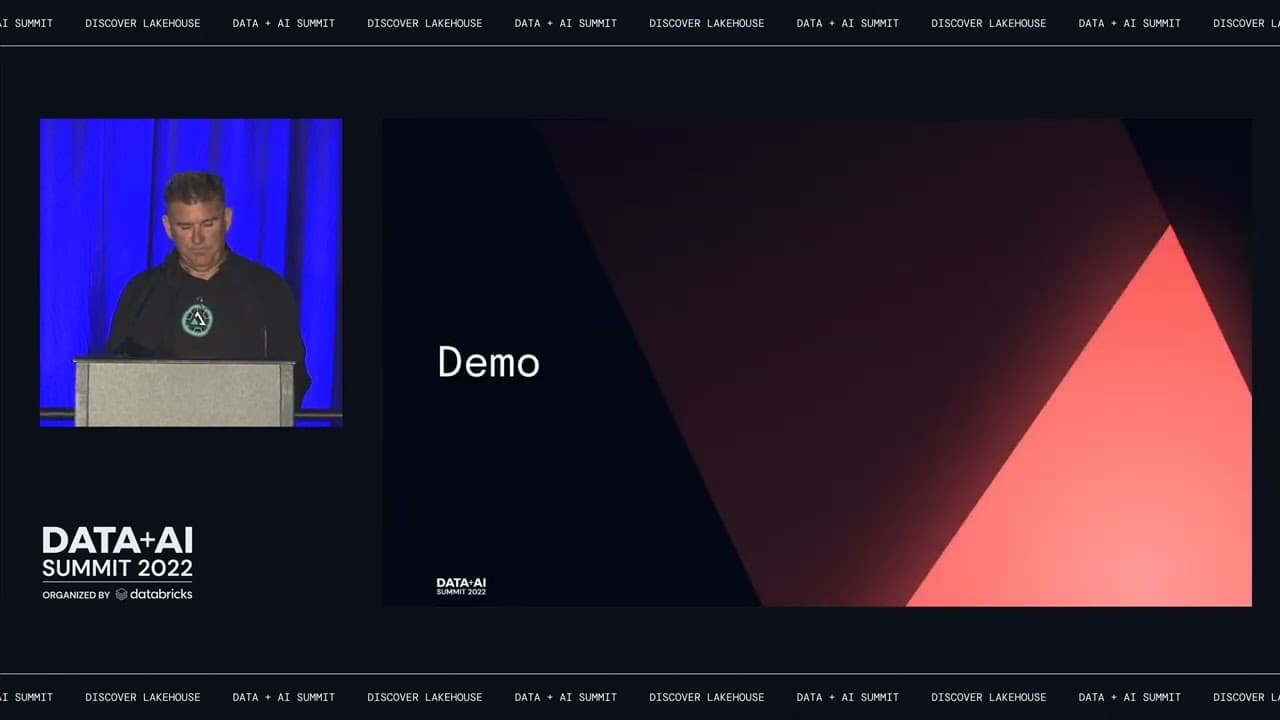
This video explains the concept and benefits of a semantic layer, which is a business representation of data using common business terms, allowing end users to access data autonomously.
Transcript
thanks everybody for coming um just before we start um just to want to see some hands about who even knows what a semantic layer is i've heard about it no atscalers don't raise your hand okay so about half so what i'm going to do today is hopefully demystify the semantic layer i mean the semantic layer is kind of an abstract concept because it is a... Read More
Key Insights
- 🔍 A semantic layer is an abstraction layer that makes data accessible for everyone in an organization, allowing end users to access data autonomously. This eliminates the need for users to have specialized knowledge or skills to access and use data effectively.
- 📊 A semantic layer needs to speak the language of business users, using terms like revenue, gross margin, month, and quarter, rather than technical terms like parquet files or delta files.
- ⚙️ A semantic layer is a separate component in the technology stack and can be used to centralize business logic and governance rules, regardless of how data is consumed or stored. This improves consistency and enables a single source of truth across different user groups.
- 🔒 The semantic layer can also incorporate security features to control user access to specific data, allowing for fine-grained control over data visibility and privacy.
- 🚀 By embedding business logic in the semantic layer, organizations can future-proof their infrastructure and easily adapt to new ways of consuming and storing data, without disrupting existing processes or tools.
- 🔄 The semantic layer enables seamless integration and interoperability between different BI tools, such as Tableau, Power BI, Looker, as well as SQL clients and even Jupyter notebooks.
- 🔐 AtScale, a specific tool mentioned in the content, integrates with enterprise data catalogs like Alation and Collibra, providing data lineage and governance capabilities that enable better data management and compliance.
- 🖥️ The semantic layer can improve data performance by automatically building optimized aggregate tables and utilizing the underlying data platform's capabilities, like in-memory processing, to deliver fast query results.
Install to Summarize YouTube Videos and Get Transcripts
Explore YouTube Video Summarizer or Get YouTube Transcript Extractor
Questions & Answers
Q: What is a semantic layer, and why is it important for data accessibility?
A semantic layer is a business representation of data using common business terms. It is important for data accessibility because it allows end users to access data autonomously, without needing to understand the underlying technical details.
Q: How does the semantic layer improve data-driven decision making?
The semantic layer improves data-driven decision making by making data available to everyone in a language that the business users understand. It enables users to easily access and analyze data, regardless of their technical expertise.
Q: How does the semantic layer interact with different consumer endpoints?
The semantic layer interacts with different consumer endpoints, such as BI tools like Tableau and Power BI, as well as Excel and application development frameworks. It speaks the language of the business users and provides a consistent view of the data across these endpoints.
Q: What are the benefits of centralizing business and governance logic in the semantic layer?
Centralizing business and governance logic in the semantic layer ensures consistency and accuracy in data analysis and decision making. It allows for better data governance and eliminates the need for separate governance layers.
Q: Can the semantic layer work with different data platforms and sources?
Yes, the semantic layer can work with different data platforms and sources, including data warehouses, data lakes, and SaaS applications. It provides a unified view of the data regardless of its location or format.
Q: How does the semantic layer improve performance and scalability?
The semantic layer automatically builds and optimizes aggregate tables within the underlying data platform, improving query performance. It also allows for seamless integration with new data platforms and technologies, ensuring scalability.
Summary & Key Takeaways
-
The semantic layer is an abstraction layer that provides a business representation of data using common business terms.
-
It allows end users to access data autonomously, without needing to be SQL experts or understand the physical representation of data.
-
The semantic layer can be a separate component in the stack, centralizing business and governance logic, and providing a consistent view of the business across different consumer endpoints.
Read in Other Languages (beta)
Share This Summary 📚
Summarize YouTube Videos and Get Video Transcripts with 1-Click
Try YouTube Summary with ChatGPT & Claude or YouTube Transcript Generator
Explore More Summaries from Databricks 📚


Summarize YouTube Videos and Get Video Transcripts with 1-Click
Try YouTube Summary with ChatGPT & Claude or YouTube Transcript Generator