Will There be Another Housing Crash? | Phil Town
TL;DR
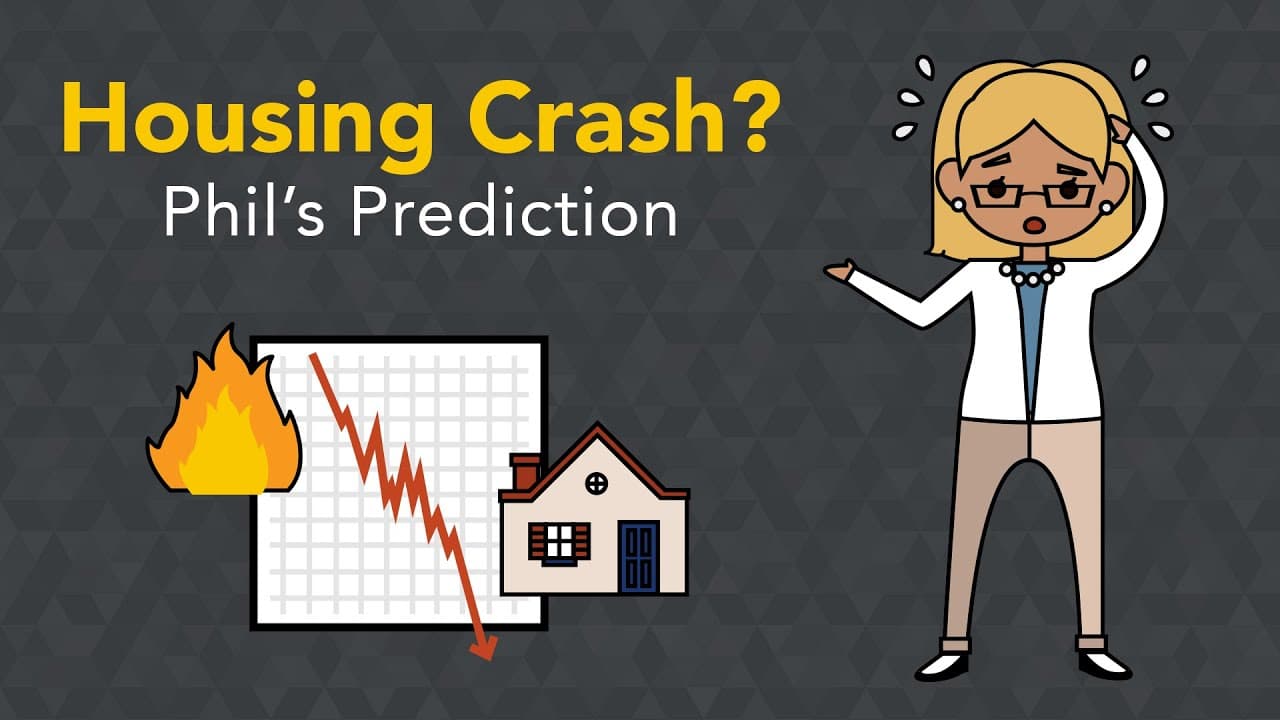
Another housing crash is possible if today’s strong market becomes a speculative bubble and rising interest rates make mortgages harder to afford. Phil Town says low mortgage rates and pandemic-related shortages have pushed prices higher, with lumber costing roughly two or three hundred percent more than before the pandemic. Read on to understand the warning signs he identifies and how the previous crash unfolded.
Transcript
hey there you guys before we jump into today's video i just wanted to take a moment and to remind you that as a big thank you for hitting the 400 000 subscriber on my channel recently i am hosting a huge giveaway happening right now so to find out how you could win up to a 250 gift card a free ticket to my virtual workshop and other really great pr... Read More
Key Insights
- 😘 The 2007-2008 housing crash was caused by low mortgage rates that fueled speculation and unsustainable price increases.
- 😘 The current housing market is experiencing a surge due to low interest rates and a shortage of materials caused by the pandemic.
- 🤑 Inflation resulting from excessive money printing may impact housing prices, and rising interest rates could potentially lead to a housing market crash.
- ✳️ Real estate investment can provide opportunities during inflation, but caution is necessary due to potential risks.
Install to Summarize YouTube Videos and Get Transcripts
Explore YouTube Video Summarizer or Get YouTube Transcript Extractor
Questions & Answers
Q: Will there be another housing crash?
Phil Town presents another housing crash as a possibility rather than a certainty. He says the key questions are whether housing is becoming a bubble, how aggressively people are buying, how much they are paying, and what interest rates they have on their mortgages.
Q: What could cause the current housing market to crash?
A crash could occur if buyers increasingly speculate that someone else will pay more and housing prices reach an unsustainable level. Rising mortgage rates could then reduce affordability and demand, causing the bubble to burst.
Q: What caused the previous housing crash?
Record-low mortgage rates for that period encouraged widespread home buying and speculation. Many borrowers obtained more housing than they could afford, sometimes using false income claims, and defaults followed when prices stopped rising and mortgages had to be refinanced.
Q: How do low mortgage rates affect housing prices?
Lower mortgage rates reduce the monthly payment for a given amount borrowed, allowing buyers to afford more expensive homes. Phil Town says today’s rates have been kept artificially low through Federal Reserve purchases of Treasury notes, supporting strong demand for housing.
Q: Is the current housing market in a bubble?
Phil Town says housing prices have risen above their previous peak, indicating a very strong market, but he frames the existence of a bubble as the central issue to examine. A bubble forms when people buy mainly because they expect someone else to pay more later.
Q: Why have pandemic-related shortages increased home prices?
The pandemic limited the production of raw materials needed for construction, including lumber and steel. More expensive and scarce building materials raise the cost of new homes, which also pushes up the price of existing homes while interest rates remain low.
Q: How much did lumber prices rise after the pandemic disruption?
Phil Town estimates that lumber was priced roughly two or three hundred percent higher than before the pandemic. He says this increase made building a new house more expensive and contributed to higher prices for existing houses.
Q: What happened when the earlier housing bubble burst?
When buyers stopped paying increasingly high prices, many homeowners could not meet or refinance mortgages they could not afford. The resulting mortgage crash froze credit across the country, spread internationally, and prompted aggressive Federal Reserve action to unfreeze credit.
Summary & Key Takeaways
-
The 2007-2008 housing crash was caused by low mortgage rates, leading to speculation and unsustainable prices.
-
The current housing market is experiencing a surge, driven by low interest rates and a shortage of materials due to the pandemic.
-
Inflation and the potential for rising interest rates could pose risks to the housing market in the future.
Read in Other Languages (beta)
Share This Summary 📚
Summarize YouTube Videos and Get Video Transcripts with 1-Click
Try YouTube Summary with ChatGPT & Claude or YouTube Transcript Generator
Explore More Summaries from Rule #1 Investing 📚



Summarize YouTube Videos and Get Video Transcripts with 1-Click
Try YouTube Summary with ChatGPT & Claude or YouTube Transcript Generator