101 Fashion Illustration Tips, Tricks, and Product Recommendations (OK, maybe not that many)
TL;DR
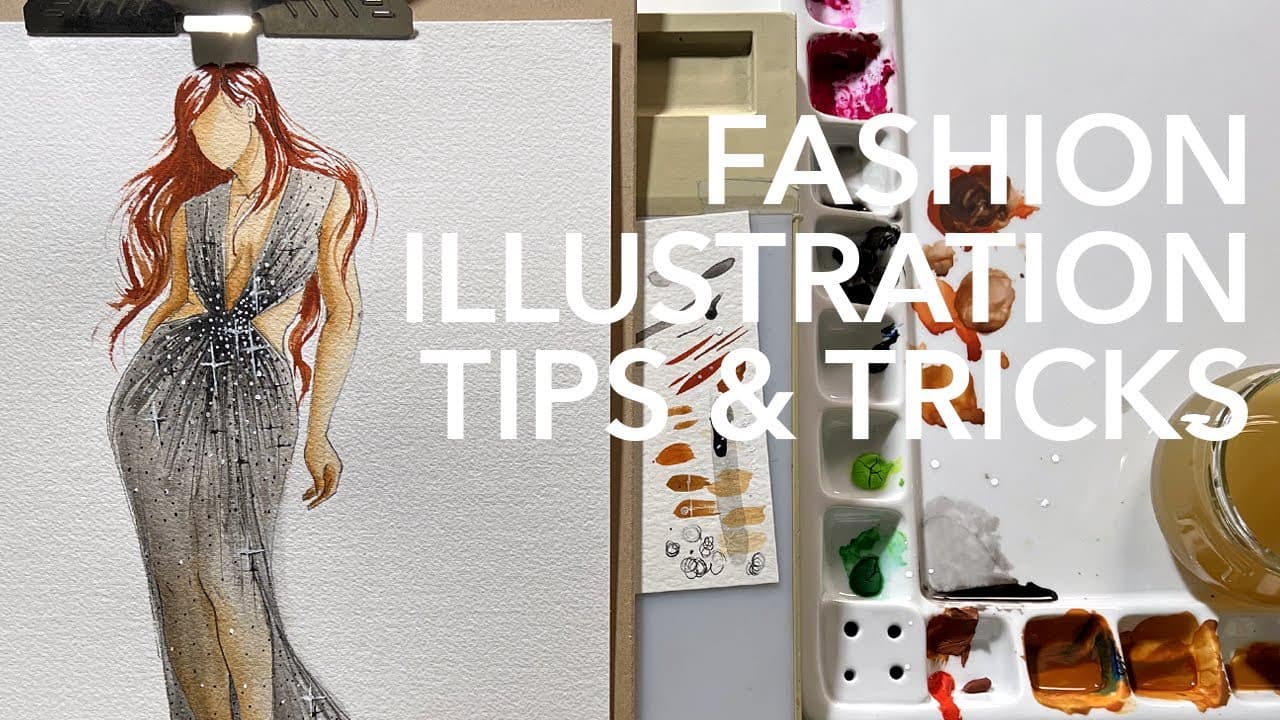
This video provides tips and tricks for fashion illustration, including using references, choosing the right paper, and techniques for painting with gouache and watercolor.
Transcript
hey party people this is the fashion illustration tips and tricks video i'll be illustrating the figure that i flash in the beginning of this video and throwing in a bunch of tips tricks hacks whatever you want to call it into the mix first of all i'm using this illustration from alphonse mucha as inspiration i'm not trying to follow the pose limb ... Read More
Key Insights
- 👻 Referencing existing artwork can provide inspiration for fashion illustrations while allowing for personal interpretation and creativity.
- 👀 Different types of watercolor paper have distinct textures that can impact the overall look and feel of the painting.
- 🎨 Tracing the initial sketch onto the final paper ensures a clean and accurate transfer of the design.
- ❓ Gouache offers opacity and versatility in creating various effects, while watercolor requires patience and layering techniques for desired results.
- 🤗 Fine liners and paint pens can be used for adding details, such as sequins and beading, to enhance the overall illustration.
- 😉 Manipulating wet media, such as paint and ink, can help achieve desired effects and add depth to the artwork.
- 🕰️ Testing colors and techniques on scrap paper is essential for ensuring the desired outcome before applying them to the final piece.
Install to Summarize YouTube Videos and Get Transcripts
Explore YouTube Video Summarizer or Get YouTube Transcript Extractor
Questions & Answers
Q: Why is it important to draw the body first before adding clothes in fashion illustration?
Drawing the body first ensures a solid foundation, helping to maintain proper proportions and avoid mistakes when adding clothes. It ensures a more realistic and accurate representation of the figure.
Q: What is the difference between hot press and cold press watercolor paper?
Hot press paper has a smooth surface, while cold press paper is textured. The texture of cold press paper can hide unevenness in painting and render certain textures better, while hot press paper is better for achieving silky looks and fine details.
Q: Can tracing paper be used for fashion illustration?
Most tracing paper works fine, except for Canson tracing paper, which has a plasticky and smooth texture. A little friction is needed when drawing, so it's preferable to use paper with a slight tooth.
Q: How can watercolor artists create blended or crisp shadows?
To achieve blended shadows, paint them while the first layer is still wet. For crisp shadows with defined edges, wait for the first layer to dry before applying additional layers. Testing colors and techniques on a scrap piece of paper is recommended.
Summary & Key Takeaways
-
The artist uses an illustration by Alphonse Mucha as inspiration for their own fashion illustration, emphasizing the importance of drawing the body first before adding clothes.
-
Different types of watercolor paper, such as hot press and cold press, have distinct textures that affect the painting process, and the artist recommends certain brands.
-
The artist explains the process of tracing the initial sketch onto the final watercolor paper using a light box or other alternatives.
-
Tips for using gouache and watercolor include creating different concentrations of color, waiting for paint layers to dry to achieve different effects, and adding details with fine liners and paint pens.
Read in Other Languages (beta)
Share This Summary 📚
Summarize YouTube Videos and Get Video Transcripts with 1-Click
Try YouTube Summary with ChatGPT & Claude or YouTube Transcript Generator
Explore More Summaries from Zoe Hong 📚


Summarize YouTube Videos and Get Video Transcripts with 1-Click
Try YouTube Summary with ChatGPT & Claude or YouTube Transcript Generator