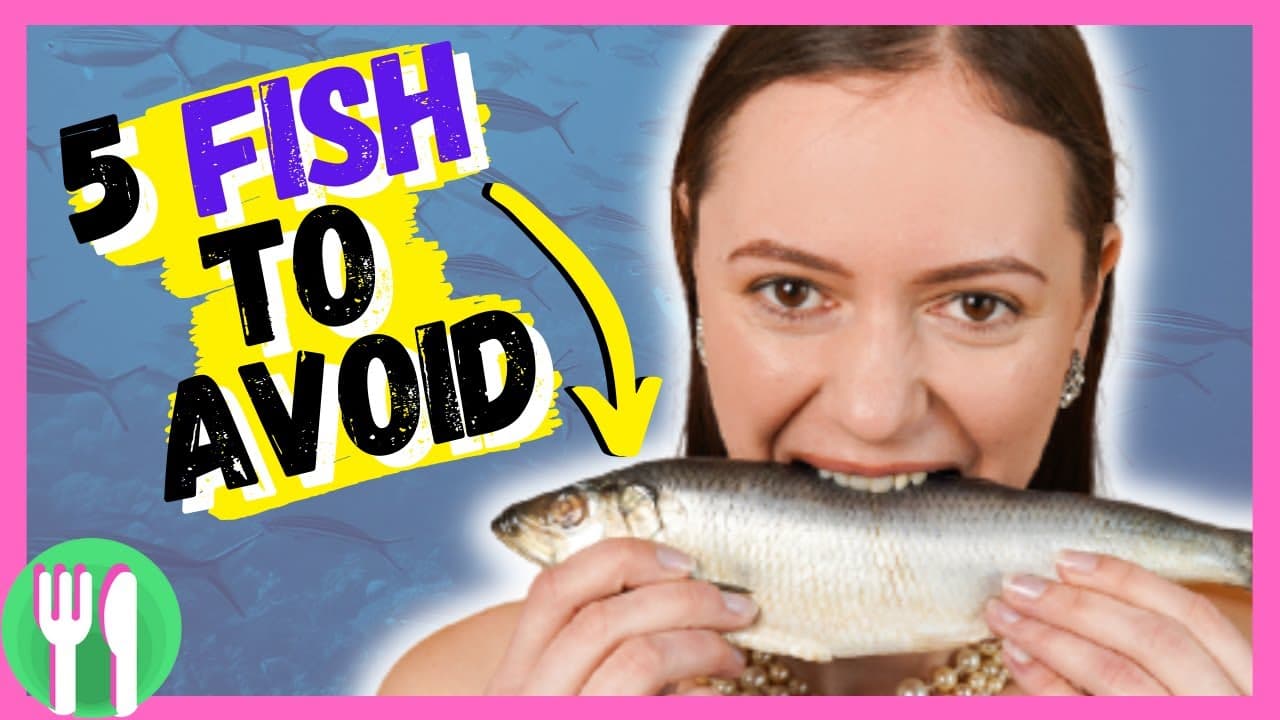
5 Fish You Should NEVER Eat
TL;DR
Discover the healthiest fish options based on sustainability and nutritional value.
Transcript
fish are a healthy source of protein good for your heart and brain but which one is good for you and the planet in this video we reveal five of the best and worst fish to eat when it comes to sustainability mercury content and nutritional benefits according to a registered nutritionist let's start with the top 5 best fish to eat in at number 5 is h... Read More
Key Insights
- 😘 Herring is a top choice due to its high omega-3 content and low mercury levels, making it heart-healthy.
- 🌈 Rainbow trout is nutritious and sustainable when sourced correctly, offering significant vitamin B12 and omega-3s.
- 🎣 Sardines are a nutrient powerhouse, rich in omega-3s, vitamin D, and calcium, facilitating healthy diets while promoting recovery of fish populations.
- 😘 Wild-caught Alaskan salmon is well-managed and low in contaminants, making it a smart seafood option packed with omega-3s.
- 🐟 The environmental effects of fish farming vary; methods that do not harm surrounding ecosystems are preferable.
- 💉 High mercury levels in fish like bluefin tuna can cause serious health risks, reinforcing the need for mindful consumption.
- 🥺 Understanding personal health implications linked to heavy metals in seafood can lead to better dietary choices.
Install to Summarize YouTube Videos and Get Transcripts
Explore YouTube Video Summarizer or Get YouTube Transcript Extractor
Questions & Answers
Q: What are some benefits of eating herring?
Herring is a highly nutritious fish rich in omega-3 fatty acids, vitamin D, and selenium. It has minimal mercury content, making it a safer choice. Caught sustainably, particularly from U.S. Atlantic sources, herring is an excellent option for those looking to increase their omega-3 intake and support heart and brain health.
Q: Why is rainbow trout considered one of the best fish to eat?
Rainbow trout, especially when farmed in the U.S., ranks high due to its omega-3 content, potassium, selenium, and vitamin B6 levels. It can deliver over a day's worth of vitamin B12 and is a sustainable choice when sourced correctly, contributing to both individual health and environmental sustainability.
Q: What makes Pacific sardines a healthy choice?
Pacific sardines are tiny, nutrient-dense fish that are rich in omega-3 fatty acids and one of the few foods high in vitamin D and calcium. They have rebounded from population declines thanks to sustainable practices, making them both a healthy and environmentally friendly seafood option.
Q: What are those PCB concerns associated with certain fish?
Polychlorinated biphenyls (PCBs) are chemicals that can accumulate in fish and may lead to various health issues with long-term exposure. They are classified as probable human carcinogens, posing potential risks to the circulatory and nervous systems. Avoiding fish with high PCB levels is essential for long-term health.
Q: Why is farmed Atlantic salmon deemed one of the worst choices?
Farmed Atlantic salmon often resides in overcrowded conditions that facilitate the spread of disease and parasites, necessitating the use of antibiotics. These farming practices also pollute the surrounding environment and contribute to health issues related to high PCB levels and compromised nutritional value compared to wild salmon.
Q: How does mercury exposure from fish consumption affect health?
Mercury exposure primarily comes from consuming contaminated seafood. High mercury levels can lead to neurodevelopmental issues, cardiovascular problems, and immune system disruptions. It's crucial to limit intake of high-mercury fish to safeguard overall health, particularly for vulnerable populations like pregnant women and children.
Q: What fish should I avoid most due to environmental concerns?
The bluefin tuna is highly endangered due to overfishing and carrying high mercury levels; it is advised to consume it sparingly, with recommendations suggesting no more than one serving per month. Choosing more sustainable fish options can help alleviate pressure on declining fish populations.
Q: How does the environmental impact of fish farming vary?
The environmental impact of fish farming can vary significantly. While some operations are rated as sustainable, others, like open-net farming, lead to pollution and disease transfer to wild populations. It's important to seek farmed fish that are certified as sustainable to make eco-friendly choices while consuming seafood.
Summary & Key Takeaways
-
This content explores the best and worst fish to consume, focusing on sustainability, mercury levels, and nutritional benefits, as outlined by a registered nutritionist.
-
The top five recommended fish include herring, rainbow trout, sardines, wild-caught Alaskan salmon, and Atlantic mackerel, each noted for their high omega-3 content and low mercury levels.
-
Conversely, the five worst fish, such as bluefin tuna and Atlantic salmon, are highlighted due to their overfishing concerns and elevated mercury and PCB levels, prompting caution in consumption.
Read in Other Languages (beta)
Share This Summary 📚
Summarize YouTube Videos and Get Video Transcripts with 1-Click
Try YouTube Summary with ChatGPT & Claude or YouTube Transcript Generator
Explore More Summaries from All Things Nutrition 📚






Summarize YouTube Videos and Get Video Transcripts with 1-Click
Try YouTube Summary with ChatGPT & Claude or YouTube Transcript Generator