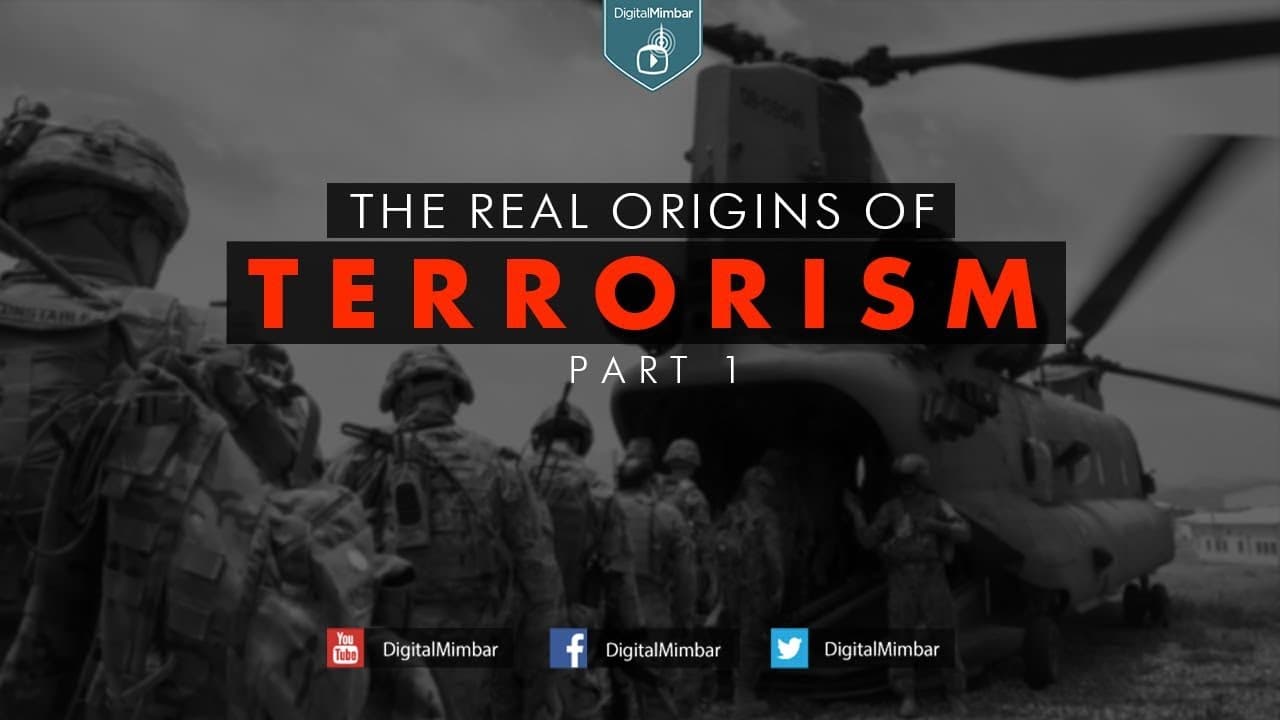
The Real Origins of Terrorism - Part 1
TL;DR
The historical origins of terrorism, exploring its ideological foundations and modern implications.
Transcript
the real origins of terrorism how the 19th and 20th century laid the ideological foundation for every terrorist organization today part one breaking the more high ground and exposing the propaganda war machine how did terrorism get injected into Islam this is a question that is asked by military leaders politicians and Muslims alike now the purpose... Read More
Key Insights
- 🧑🏭 Terrorism's introduction to Islam in the 20th century was influenced by external factors rather than inherent religious teachings.
- 💠 Ethical theories like utilitarianism and Kant's categorical imperative have shaped moral justifications in warfare.
- 🫥 Historical events, such as WWII bombings, showcase the blurred lines between ethical warfare and terrorism.
- 🥺 Total war methods, targeting civilians and employing complete destruction, have led to unprecedented brutality in conflicts.
- 😨 Perceptions of threats can be manipulated through propaganda and fear, perpetuating conflicts and justifying violent actions.
- 😌 The roots of terrorism lie in historical events and ideological foundations formed in the 19th and 20th centuries.
- ⚾ Ethical dilemmas in warfare are complex, with utilitarianism often used to justify actions based on consequences.
Install to Summarize YouTube Videos and Get Transcripts
Explore YouTube Video Summarizer or Get YouTube Transcript Extractor
Questions & Answers
Q: How did the concept of terrorism become intertwined with Islam?
Terrorism was introduced to the Muslim world in the 20th century, not stemming from religious texts but influenced by external factors and environments at the time.
Q: How do ethical theories like utilitarianism justify actions in warfare?
Utilitarianism focuses on the consequences of actions, often leading to decisions based on the greater good or lesser of two evils in military conflicts.
Q: What role do historical events like World War II play in shaping modern ethical dilemmas in warfare?
Historical events, such as the bombings of Hiroshima and London during WWII, highlight the complexities of ethical justifications in wartime brutality.
Q: How does the concept of total war contribute to the perpetuation of conflicts?
Total war methods, which target civilian populations and employ complete destruction, can perpetuate conflicts by escalating perceptions of threats through propaganda and fearmongering.
Summary & Key Takeaways
-
Terrorism's roots lie in historical events of the 19th and 20th centuries, with ideological foundations formed during this time.
-
Propaganda and ethical justifications have blurred the lines between terrorism and wartime violence.
-
Various ethical theories, including utilitarianism and Kant's categorical imperative, shed light on justifying violent actions.
Read in Other Languages (beta)
Share This Summary 📚
Summarize YouTube Videos and Get Video Transcripts with 1-Click
Try YouTube Summary with ChatGPT & Claude or YouTube Transcript Generator
Explore More Summaries from Digital Mimbar 📚


Summarize YouTube Videos and Get Video Transcripts with 1-Click
Try YouTube Summary with ChatGPT & Claude or YouTube Transcript Generator