What Does Poverty Look Like on a Plate? | Huiyi Lin | TED
TL;DR
Art project highlights global poverty using food imagery.
Transcript
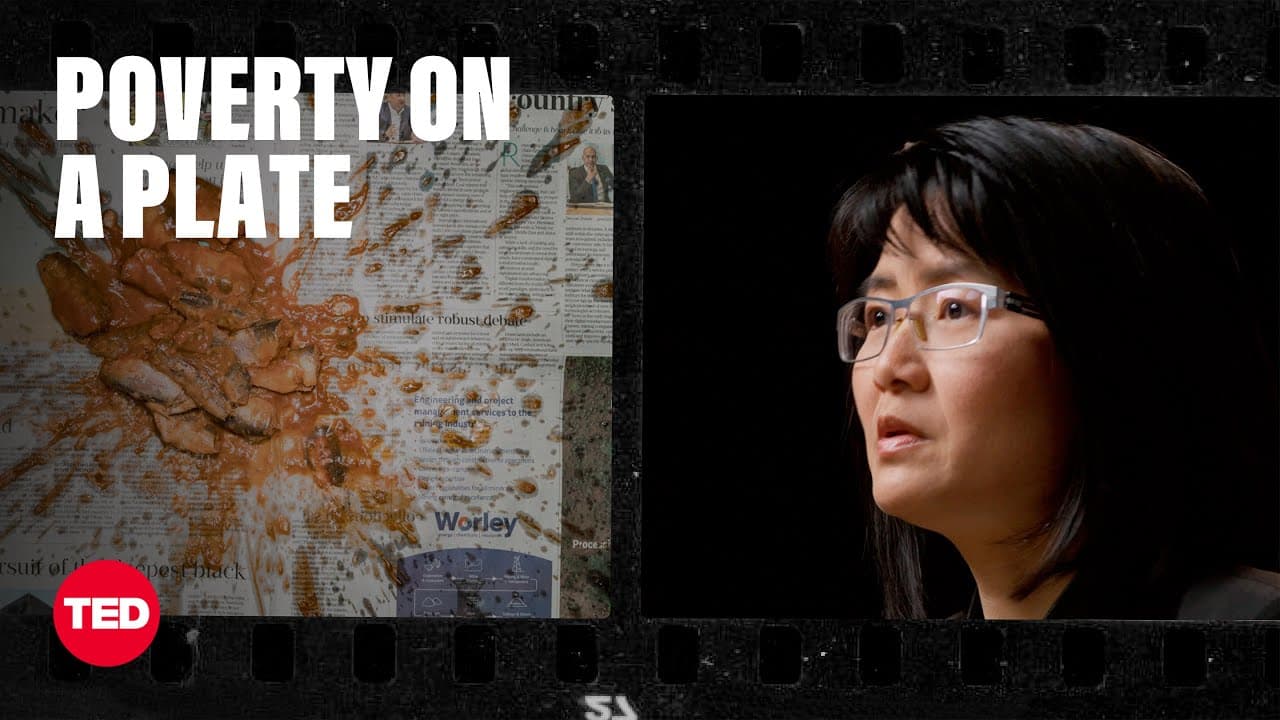
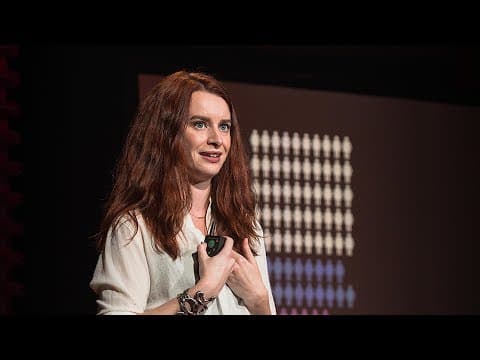
Poverty is really linked to so many things in life. Because it is not just an economic phenomenon. It’s not just a social phenomenon. It's an individual and a family. It's at the base of really what it means to be human and how we think about human rights. My name is Huiyi Lin. I'm an artist with Chow and Lin. I've been creating a project called "T... Read More
Key Insights
- Poverty is a multifaceted issue, not just economic or social, but deeply personal and connected to human rights.
- The project 'The Poverty Line' uses food imagery to explore what it means to live at the poverty line in various countries.
- Different cultural and personal reactions to the photographs highlight the subjective nature of poverty's impact.
- The project expanded to 38 countries, demonstrating poverty's global reach and its ties to issues like climate change and migration.
- Photographs from 'The Poverty Line' have sparked policy discussions and new research, offering a unique perspective on poverty.
- The project emphasizes the importance of local context in understanding poverty, urging people to recognize their role in the system.
- By bridging understanding gaps, 'The Poverty Line' motivates curiosity and deeper engagement with global poverty issues.
- The visceral reactions to food imagery demonstrate its power to unite and provoke thought about shared human experiences.
Install to Summarize YouTube Videos and Get Transcripts
Explore YouTube Video Summarizer or Get YouTube Transcript Extractor
Questions & Answers
Q: What is the main objective of 'The Poverty Line' project?
The main objective of 'The Poverty Line' project is to explore and visualize the concept of poverty through the lens of food choices. By photographing food purchased at the national poverty line rate across various countries, the project seeks to provoke thought and discussion about what it means to be poor, offering a unique perspective that traditional policy reports cannot.
Q: How did people react to the photographs from 'The Poverty Line'?
Reactions to the photographs from 'The Poverty Line' varied widely, with people from different cultural backgrounds responding differently to the same images. Some found the food depicted as insufficient or surprising, while others connected deeply with the imagery on a personal level. This diversity in responses highlights the subjective nature of poverty and the universal connection people have with food.
Q: Why does the project focus on food to represent poverty?
The project focuses on food because it is a universal and daily human ritual that everyone can relate to. By using food as a medium, the project taps into a visceral and instinctive reaction that people have, making the concept of poverty more tangible and relatable. This approach also highlights the limited choices available to those living at the poverty line, emphasizing the broader implications of poverty on daily life.
Q: What impact has 'The Poverty Line' had on policy discussions?
'The Poverty Line' has sparked policy discussions and prompted new research by offering a fresh perspective on poverty. The project's unique approach, using food imagery, has engaged policymakers and researchers in conversations about poverty that go beyond traditional economic frameworks. It highlights the importance of considering local contexts and personal experiences in addressing poverty, influencing how policies are discussed and developed.
Q: How does 'The Poverty Line' address global poverty?
'The Poverty Line' addresses global poverty by expanding its project to 38 countries, capturing the diversity and complexity of poverty worldwide. By photographing food choices at the poverty line across different nations, the project illustrates the global reach of poverty and its connection to other major issues like climate change and migration. This global perspective encourages a broader understanding and dialogue about poverty's impact.
Q: What challenges did the creators face in developing 'The Poverty Line'?
The creators of 'The Poverty Line' faced challenges in capturing the diverse and subjective nature of poverty through photography. Initially, they did not anticipate the varied reactions from different cultural backgrounds, which highlighted the complexity of conveying a universal message about poverty. Additionally, expanding the project to cover numerous countries required navigating different local contexts and economic conditions to accurately represent poverty's impact.
Q: How does 'The Poverty Line' encourage curiosity and engagement?
'The Poverty Line' encourages curiosity and engagement by presenting poverty through a relatable and thought-provoking medium—food. The project's unique approach invites viewers to question and reflect on their own perceptions of poverty, motivating them to learn more about the issue. By bridging gaps in understanding, the project fosters a deeper connection and engagement with global poverty challenges.
Q: What is the significance of using local newspapers in the photographs?
Using local newspapers in the photographs serves to ground the images in a specific cultural and economic context, emphasizing the local aspect of poverty. This choice highlights the daily reality faced by those living at the poverty line, making the imagery more relatable and impactful. It also underscores the importance of considering local conditions when discussing and addressing poverty, rather than relying solely on broad, generalized approaches.
Summary & Key Takeaways
-
Huiyi Lin's project 'The Poverty Line' uses food photography to explore the concept of poverty across different countries. By purchasing food at the national poverty line rate and photographing it, the project offers a unique perspective on poverty's impact, sparking conversations and policy discussions.
-
The project has expanded to cover 38 countries, highlighting poverty's global nature and its intersection with other major issues like climate change and migration. The subjective reactions to the photographs underscore the personal impact of poverty and the universal connection through food.
-
'The Poverty Line' aims to bridge gaps in understanding poverty, encouraging curiosity and deeper engagement. The project demonstrates the importance of considering local contexts and individual roles in addressing poverty, offering a fresh perspective beyond traditional policy reports.
Read in Other Languages (beta)
Share This Summary 📚
Summarize YouTube Videos and Get Video Transcripts with 1-Click
Try YouTube Summary with ChatGPT & Claude or YouTube Transcript Generator
Explore More Summaries from TED 📚

Summarize YouTube Videos and Get Video Transcripts with 1-Click
Try YouTube Summary with ChatGPT & Claude or YouTube Transcript Generator