What Is Amartya Sen's Concept of Missing Women?
TL;DR
Amartya Sen's 'Missing Women' concept highlights significant global gender disparities in healthcare, suggesting up to 100 million women are 'missing' due to neglect and selective abortion, particularly in countries like China. To mitigate this issue, improving female education and employment is essential, as evidenced by better conditions in Kerala, India, where such disparities are less pronounced. However, the actual number of missing women is likely lower due to varying sex ratios at birth and other factors.
Transcript
Another key contribution by Amartya Sen is the idea of the "Missing Women", just let me warn you, this is going to get a little scary. Sen has raised the issue of whether baby and prenatal girls, are really receiving equal treatment and equal care from their families. In some parts of the world, it seems that sons are preferred, and that means when... Read More
Key Insights
- Amartya Sen's concept of 'Missing Women' highlights gender disparities in healthcare and attention towards female infants, particularly in countries like China, where the sex ratio is skewed towards males.
- Sen's calculations suggest up to 100 million women might be 'missing' globally due to unequal treatment, though this figure is debated and likely exaggerated.
- Improving female education and employment opportunities are proposed solutions to address gender disparities and reduce the 'missing women' phenomenon.
- In regions with better female education and employment, such as Kerala, India, the 'missing women' issue is less prevalent or absent.
- Research by Anderson and Ray attributes many 'missing women' cases to diseases affecting females more severely than males in specific regions.
- In China, the 'missing women' problem is linked to prenatal factors and infancy, possibly due to selective abortion and neglect.
- In India, cardiovascular disease significantly contributes to the 'missing women' problem, affecting older women disproportionately.
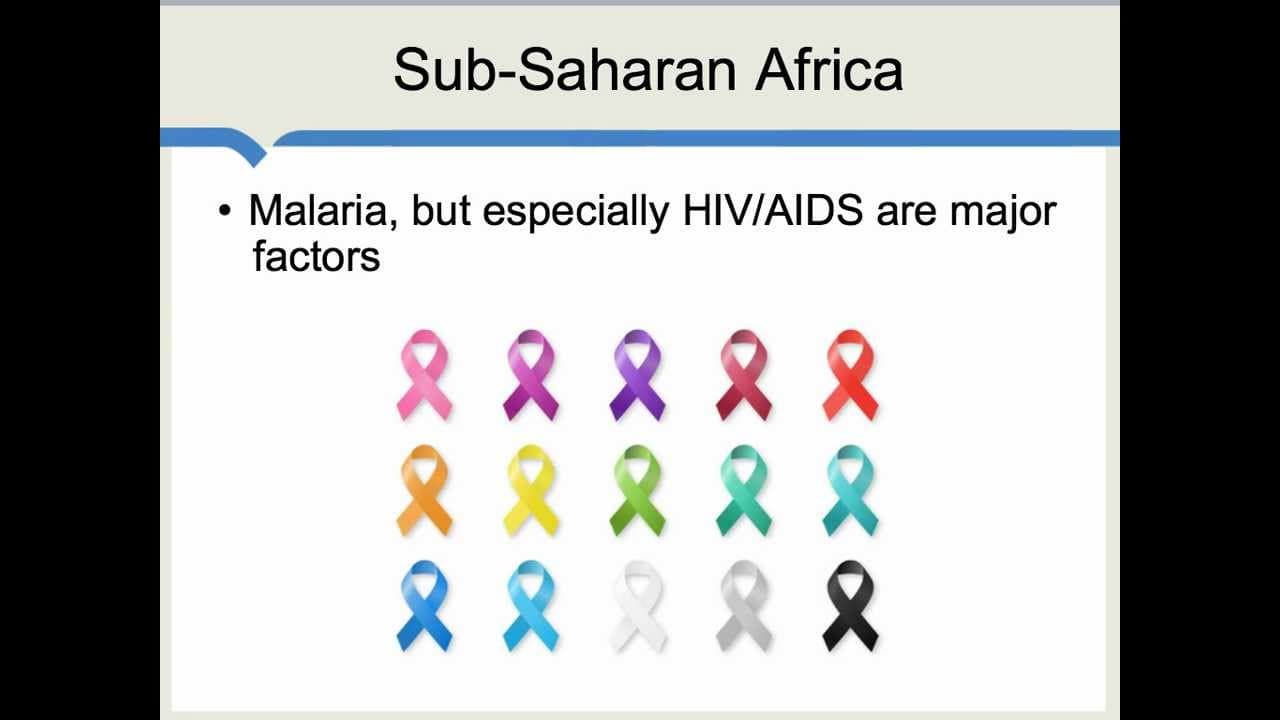
- Sub-Saharan Africa's 'missing women' issue is primarily due to HIV/AIDS and malaria, affecting women more than men, unlike Sen's initial neglect hypothesis.
Install to Summarize YouTube Videos and Get Transcripts
Explore YouTube Video Summarizer or Get YouTube Transcript Extractor
Questions & Answers
Q: What is Amartya Sen's 'Missing Women' concept?
Amartya Sen's 'Missing Women' concept highlights the gender disparity in birth and healthcare, particularly in regions where male children are preferred. He suggests that due to unequal treatment, up to 100 million women are 'missing,' meaning they were not born or did not survive due to neglect or selective abortion.
Q: Why is the sex ratio skewed in countries like China?
In countries like China, the sex ratio is skewed towards males due to cultural preferences for sons. This preference leads to unequal treatment of female infants and possibly selective abortion of female fetuses, resulting in fewer females being born or surviving infancy compared to males.
Q: What solutions does Sen propose to address the 'missing women' issue?
Sen proposes improving female education and employment opportunities as key solutions to address the 'missing women' issue. By enhancing these areas, societal norms regarding the treatment of females can improve, reducing gender disparities and the prevalence of 'missing women.'
Q: How does the 'missing women' problem differ in India compared to China?
In India, the 'missing women' problem is largely attributed to cardiovascular disease affecting older women, unlike in China, where it is linked to prenatal factors and infancy. This difference indicates that the issue in India is more related to health disparities in adulthood rather than neglect at birth.
Q: What role do diseases play in the 'missing women' issue?
Diseases play a significant role in the 'missing women' issue, with certain diseases affecting females more severely than males in specific regions. For example, in Sub-Saharan Africa, HIV/AIDS and malaria contribute significantly to the 'missing women' problem, affecting women at higher rates than men.
Q: What did Anderson and Ray's research reveal about the 'missing women' issue?
Anderson and Ray's research revealed that many 'missing women' cases are due to diseases rather than neglect. They found that diseases like HIV/AIDS, malaria, and cardiovascular issues disproportionately affect women, contributing to the 'missing women' problem in various regions.
Q: Why is the 'missing women' issue less prevalent in Kerala, India?
The 'missing women' issue is less prevalent in Kerala, India, due to better female education and employment opportunities. These factors lead to improved societal norms regarding the treatment of females, reducing gender disparities and the prevalence of 'missing women' in the region.
Q: How does the 'missing women' issue in Sub-Saharan Africa differ from Sen's initial hypothesis?
In Sub-Saharan Africa, the 'missing women' issue is primarily due to diseases like HIV/AIDS and malaria, which affect women more than men. This differs from Sen's initial hypothesis of neglect, highlighting the importance of disease incidence in understanding gender disparities in the region.
Summary & Key Takeaways
-
Amartya Sen's 'Missing Women' concept addresses global gender disparities, with a focus on unequal treatment of female infants and skewed sex ratios in countries like China. His hypothesis suggests up to 100 million women are 'missing' due to neglect or selective abortion.
-
Sen proposes improving female education and employment as solutions to reduce the 'missing women' issue. In regions like Kerala, India, where these factors are better, the problem is less severe. However, Sen's calculations are debated, with actual figures likely lower.
-
Anderson and Ray's research attributes many 'missing women' cases to diseases affecting females more severely. In China, the issue is linked to prenatal factors, while in India, cardiovascular disease plays a significant role. Sub-Saharan Africa's problem is due to HIV/AIDS and malaria.
Read in Other Languages (beta)
Share This Summary 📚
Summarize YouTube Videos and Get Video Transcripts with 1-Click
Try YouTube Summary with ChatGPT & Claude or YouTube Transcript Generator
Explore More Summaries from Marginal Revolution University 📚

Summarize YouTube Videos and Get Video Transcripts with 1-Click
Try YouTube Summary with ChatGPT & Claude or YouTube Transcript Generator