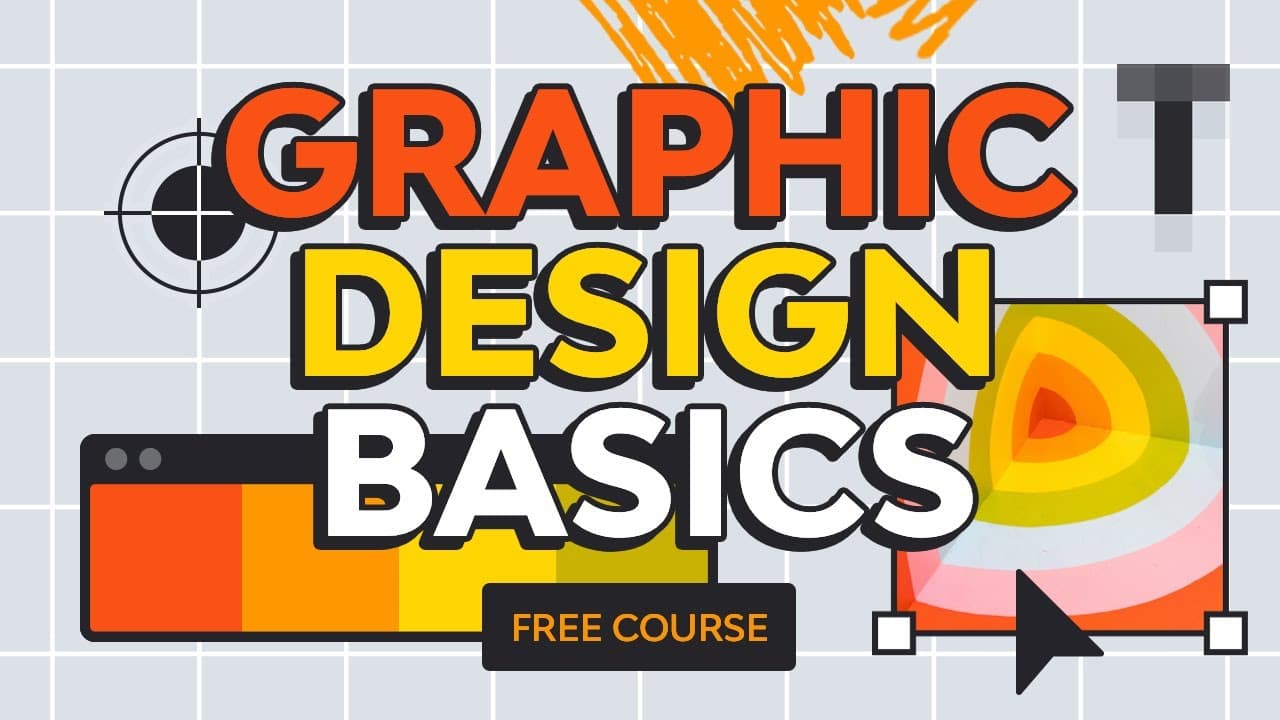
Graphic Design Basics | FREE COURSE
TL;DR
This course introduces essential graphic design principles and history for beginners.
Transcript
So you want to be a graphic designer? Join me in this Graphic Design Basics course and learn everything you need to know to get you started. My name is Laura Keung, and I have been a professional graphic designer for 15 years and creating design courses for Tuts+ since 2018. Graphic design is the creation of visual content with a communication purp... Read More
Key Insights
- 🛟 Graphic design is a blend of visual communication and problem-solving, serving distinct purposes beyond aesthetics.
- 🏑 Learning the history of graphic design provides context for understanding contemporary practices and technologies in the field.
- 😒 Effective use of design principles allows for better organization and clarity, critical for communicating complex information.
- 🫵 Color choices can significantly affect viewer emotions and responses; designers should consider cultural and psychological factors.
- 🎨 Typography not only enhances readability but also contributes to the overall aesthetic and branding of a design.
- 🎨 The evolution of digital tools has transformed graphic design, inviting new disciplines like UI and UX design.
- 🪡 Designers must balance visual appeal with the need for clear communication in every project.
Install to Summarize YouTube Videos and Get Transcripts
Explore YouTube Video Summarizer or Get YouTube Transcript Extractor
Questions & Answers
Q: What defines graphic design and how is it different from art?
Graphic design is primarily focused on creating visual content for communication, unlike art, which can exist purely for aesthetic expression. Designers employ images, typography, and layouts to convey messages clearly and effectively, often with the intent to inform or persuade an audience.
Q: What historical milestones significantly influenced the evolution of graphic design?
Significant milestones include the invention of movable type by Johannes Gutenberg in the 15th century, which revolutionized typography and mass communication, and the introduction of digital tools that expanded design possibilities since the late 20th century.
Q: Can you explain the importance of color theory in graphic design?
Color theory plays a crucial role in graphic design as it helps designers create visually appealing and emotionally resonant designs. Understanding the color wheel, color harmonies, and the psychological impacts of colors enable designers to communicate messages effectively while influencing audience perception.
Q: What are the fundamental principles of design that every graphic designer should know?
The fundamental principles include balance, unity, contrast, repetition, pattern, movement, emphasis, proportion, harmony, and variety. These principles guide designers in creating compositions that are aesthetically pleasing, functional, and easy to understand, ensuring effective communication.
Summary & Key Takeaways
-
Laura Keung, a professional graphic designer with 15 years of experience, leads a course on graphic design basics aimed at beginners.
-
The content covers the evolution of graphic design from prehistoric cave paintings to modern digital design, emphasizing critical elements like typography and color theory.
-
Key principles such as balance, contrast, unity, and typography are addressed, along with practical applications for effective communication through design.
Read in Other Languages (beta)
Share This Summary 📚
Summarize YouTube Videos and Get Video Transcripts with 1-Click
Try YouTube Summary with ChatGPT & Claude or YouTube Transcript Generator
Explore More Summaries from Envato Tuts+ 📚





Summarize YouTube Videos and Get Video Transcripts with 1-Click
Try YouTube Summary with ChatGPT & Claude or YouTube Transcript Generator