The Best Rentals for Beginners (& How Much Money You’ll Need)
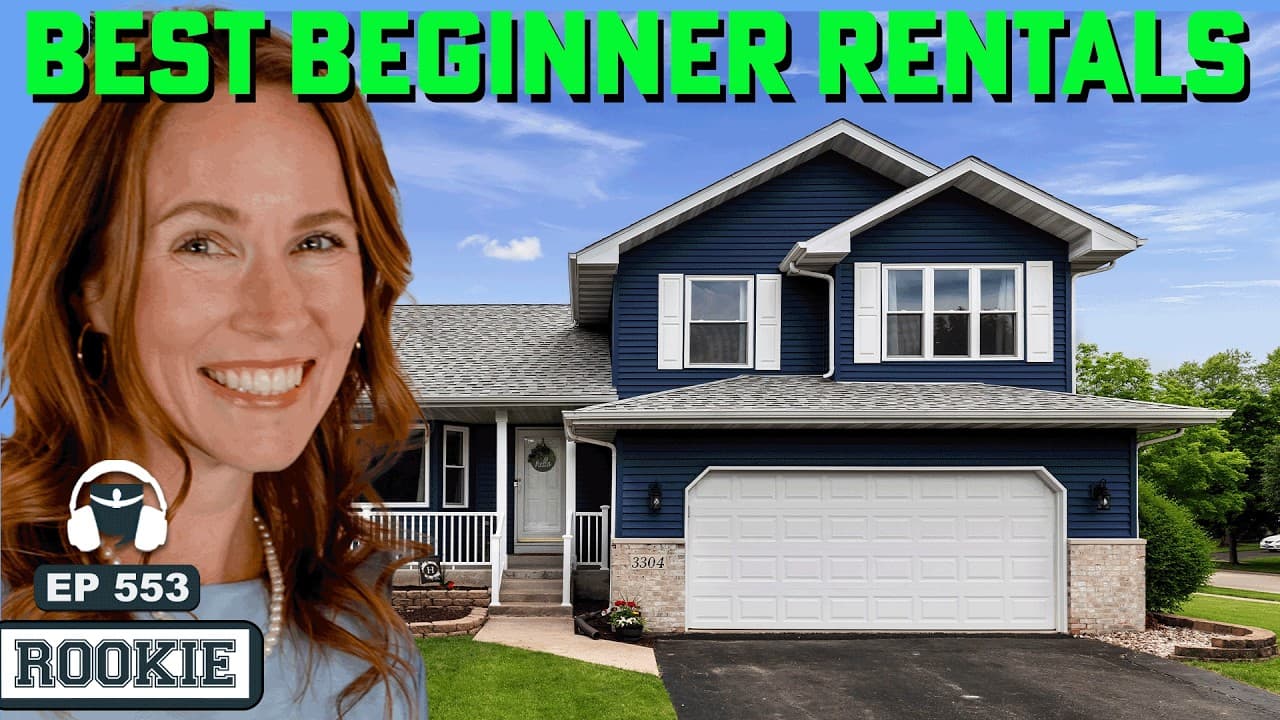
TL;DR
Explore beginner strategies and financial planning for real estate investing.
Transcript
this week's rookie reply is all about hesitation strategy and what to do when things don't go according to plan we've got three real estate questions from real estate investors who are wondering "Should I wait should I buy did I already make a mistake?" Yeah that's right we're going to break down what you can actually do today whether you're starti... Read More
Key Insights
- House hacking is a popular beginner strategy due to its low entry cost and dual purpose as a residence and investment.
- Understanding personal financial capacity is crucial to choosing the right real estate strategy and market entry.
- Turnkey rentals offer a low-effort entry into real estate, ideal for those with more capital than time.
- Real estate investing motivations include cash flow, appreciation, and tax benefits, each requiring different strategies.
- Financial reserves are essential to cover unexpected expenses and ensure stability in real estate investments.
- Patience is key in real estate; long-term appreciation often requires several years to materialize.
- Market location significantly impacts the feasibility of different investing strategies and required capital.
- Risk management involves not over-leveraging and having a clear exit strategy if investments underperform.
Install to Summarize YouTube Videos and Get Transcripts
Explore YouTube Video Summarizer or Get YouTube Transcript Extractor
Questions & Answers
Q: What is a beginner-friendly real estate investment strategy?
House hacking is a highly recommended strategy for beginners. It involves using your primary residence as an investment property by renting out rooms or units. This method provides low entry costs, favorable financing options, and allows investors to live in the property while generating rental income.
Q: How much money do I need for my first real estate deal?
The amount needed varies based on the market and strategy. Consider down payments, closing costs, and reserves for unexpected expenses. House hacking can reduce initial costs with options like FHA loans requiring as low as 3.5% down. Ensure you have additional reserves for property maintenance and vacancies.
Q: Is it wise to invest in real estate with high-interest rates?
Investing during high-interest periods requires careful consideration of potential returns and risks. Evaluate the current return on your capital and compare it with projected real estate returns. Consider starting with a smaller investment to test the waters and ensure you don't over-leverage your finances.
Q: What should I do if my property hasn't appreciated in a year?
Real estate typically requires a long-term perspective. One year is a short timeframe for significant appreciation. Consider holding the property for a longer period to realize potential gains. Evaluate tenant turnover issues and explore alternative strategies like short-term rentals to improve cash flow.
Q: What are the benefits of turnkey rentals for beginners?
Turnkey rentals offer a hassle-free entry into real estate by providing properties that are already renovated, tenanted, and managed. This reduces the time and effort required from the investor, making it ideal for those with more capital than time. It allows beginners to start earning rental income immediately.
Q: How can I manage risks in real estate investing?
Managing risks involves maintaining financial reserves, not over-leveraging, and having a clear exit strategy. Ensure you have 3-6 months of expenses saved to cover unexpected costs and vacancies. Diversify your investments and choose properties with potential for appreciation and cash flow.
Q: Why is financial planning important in real estate investing?
Financial planning helps determine the right investment strategy by assessing available capital, potential mortgage approvals, and personal financial goals. It ensures you choose a feasible strategy that aligns with your risk tolerance and long-term objectives, reducing the likelihood of financial strain.
Q: What motivates real estate investors, and how does it affect strategy?
Investors are motivated by cash flow, appreciation, and tax benefits. Each motivation requires different strategies; for example, cash flow-focused investors might choose high-rent areas, while those seeking appreciation might invest in developing markets. Prioritizing motivations helps in selecting suitable properties and strategies.
Summary & Key Takeaways
-
This episode of the Real Estate Rookie Podcast explores beginner-friendly real estate investment strategies, emphasizing the importance of understanding personal financial capacity and motivations. Hosts Ashley and Tony discuss house hacking, turnkey rentals, and the significance of financial reserves to mitigate risks.
-
Listeners are advised to evaluate their financial situation, including available capital and potential mortgage approvals, to determine suitable investment strategies. The episode highlights the importance of patience in real estate, as appreciation and cash flow benefits often take time to develop.
-
The hosts also address common concerns about market entry during high-interest periods, suggesting a cautious approach by investing a portion of available capital. They emphasize the need for clear risk assessment and strategic planning to ensure successful real estate investments.
Read in Other Languages (beta)
Share This Summary 📚
Summarize YouTube Videos and Get Video Transcripts with 1-Click
Try YouTube Summary with ChatGPT & Claude or YouTube Transcript Generator
Explore More Summaries from Real Estate Rookie 📚






Summarize YouTube Videos and Get Video Transcripts with 1-Click
Try YouTube Summary with ChatGPT & Claude or YouTube Transcript Generator