What Is Stagflation and Is It Returning Today?
TL;DR
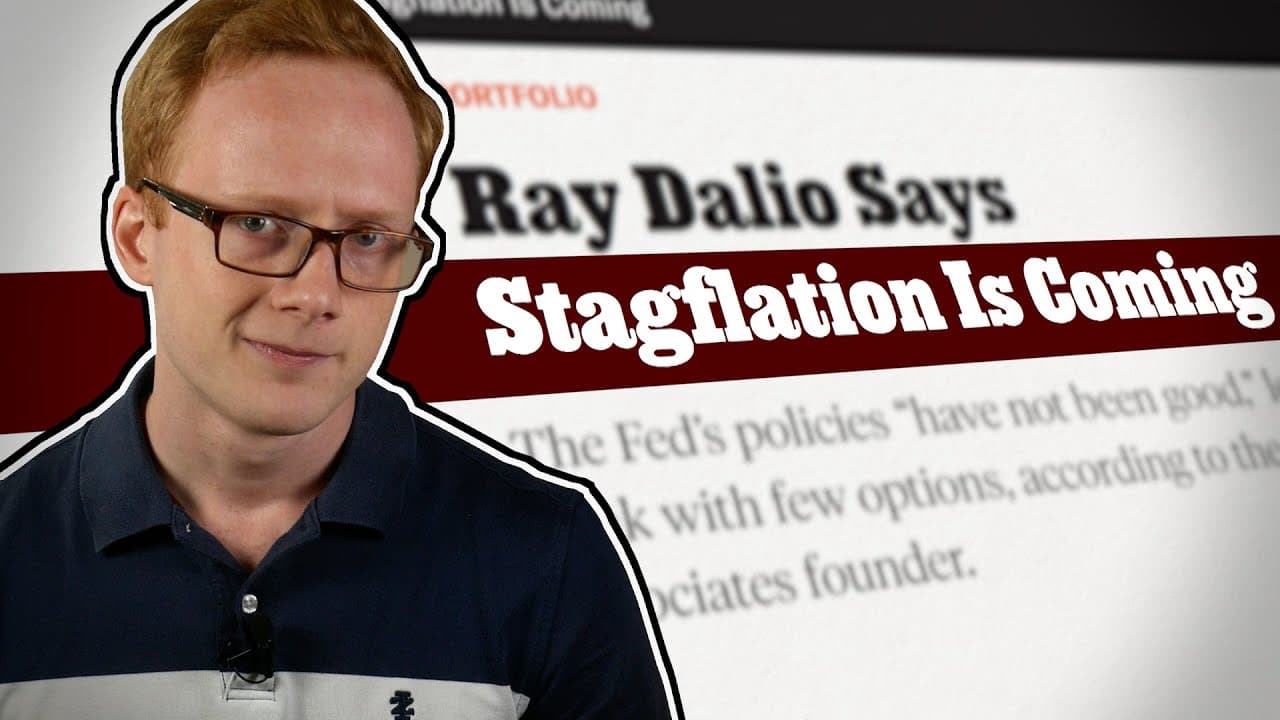
Stagflation is an economic condition defined by high inflation, stagnant growth, and high unemployment. Current market trends exhibit some parallels to the 1970s, raising concerns about a potential return of stagflation. However, stronger US dollar dynamics, reduced oil dependence, and better central bank strategies provide some reasons for optimism that this scenario can be avoided.
Transcript
this video is sponsored by noaa an app i use for listening to articles from the world's leading financial publishers stay tuned until the end of the video for a special six month free offer for their service in 1958 a new zealand economist by the name of a william phillips proposed a new model for better understanding inflation that would go on to ... Read More
Key Insights
- ✋ Stagflation is a rare economic phenomenon characterized by high inflation, low economic output, and high unemployment.
- 🫢 Supply shocks, such as disruptions in the supply side of the economy, and economic policy errors are believed to be the main causes of stagflation.
- 🫢 The current market environment raises concerns about a potential return of stagflation, with similarities to the 1970s seen in high inflation, a supply-side shock in the form of rising oil prices, and the trade-off faced by central banks in addressing stagflation.
- 💪 However, there are differences between the current situation and the 1970s, such as a stronger US dollar, reduced dependence on oil, and improved household budgets.
- 🤞 Central banks have developed a better reputation for controlling inflation compared to the 1970s, giving some hope that a period of stagflation can be avoided.
- 😀 While the risks of a recession are high and developing countries may face particular hardship, it is important to consider the progress made and the actions taken to prevent a repeat of the past.
Install to Summarize YouTube Videos and Get Transcripts
Explore YouTube Video Summarizer or Get YouTube Transcript Extractor
Questions & Answers
Q: What is stagflation?
Stagflation is a combination of high inflation, slow economic growth, and high unemployment. It creates a challenging economic environment.
Q: What causes stagflation?
Stagflation is believed to be caused by supply shocks, such as disruptions in the supply side of the economy, and economic policy errors, such as disruptive government policies and rapid increases in money supply.
Q: How does the current market environment resemble the 1970s?
The current market environment shares similarities with the 1970s, such as high inflation after a period of monetary stimulus, a supply-side shock in the form of rising oil prices, and concerns about stagflation.
Q: How do central banks try to combat stagflation?
Central banks face a trade-off between inflation and economic activity when trying to address stagflation. They can raise interest rates to combat inflation but risk slowing down the already slow economy, or they can cut interest rates to stimulate the economy but risk further inflationary pressure.
Summary & Key Takeaways
-
Stagflation occurs when there is high inflation, low economic output, and high unemployment, leading to a challenging economic environment.
-
Supply shocks and economic policy errors are believed to be the main causes of stagflation.
-
The current market environment has similarities to the 1970s, raising concerns about a potential return of stagflation.
Read in Other Languages (beta)
Share This Summary 📚
Summarize YouTube Videos and Get Video Transcripts with 1-Click
Try YouTube Summary with ChatGPT & Claude or YouTube Transcript Generator
Explore More Summaries from The Plain Bagel 📚

Summarize YouTube Videos and Get Video Transcripts with 1-Click
Try YouTube Summary with ChatGPT & Claude or YouTube Transcript Generator