The Best Exercises to Improve Coordination
TL;DR
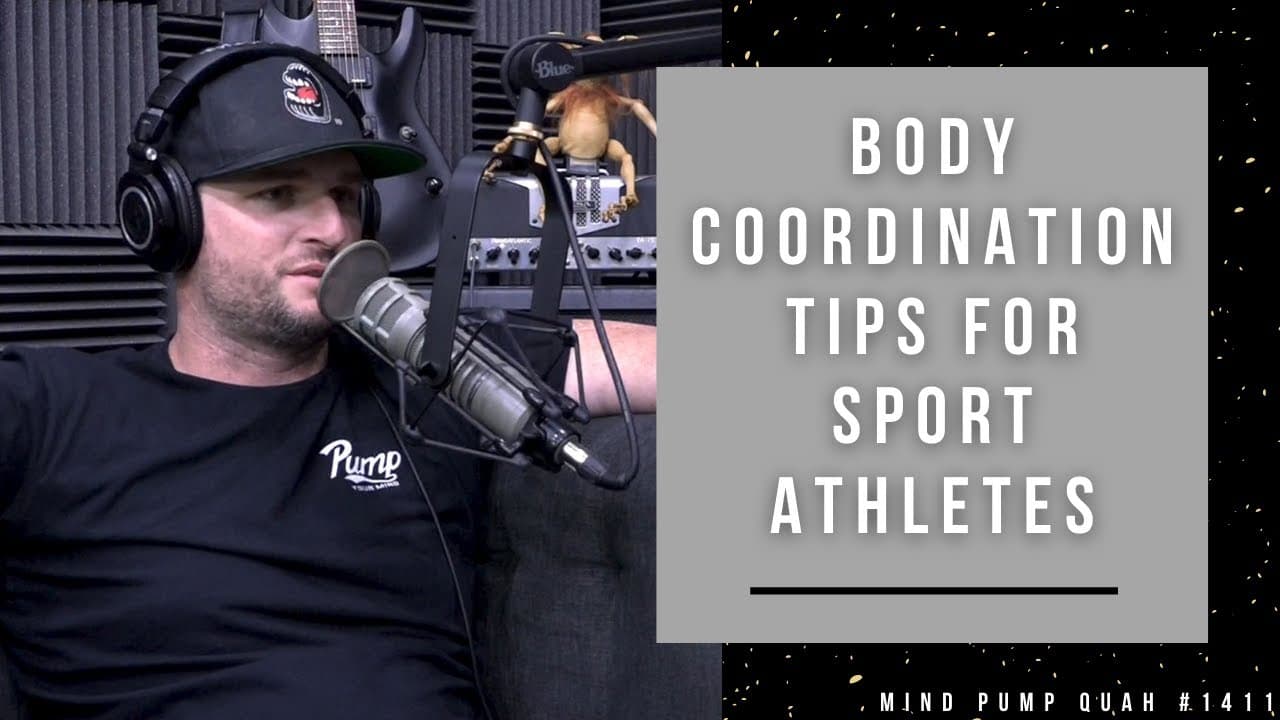
Practice your sport and use unconventional exercises for coordination.
Transcript
first question is from gavin brumbaugh what are some ways or exercises to improve body coordination i'm a competitor in still timber sports oh that's dope and this skill is very important oh that's cool well nothing will that's that's the uh chainsaws like speed stuff right yeah and then they climb up and and they actually like chop they have like ... Read More
Key Insights
- Practicing the specific sport is the most effective way to improve coordination for that activity.
- Gross motor movements and full-body exercises are generally more beneficial for coordination than isolated movements.
- Mace bells and similar tools can enhance core stability and body control, which are crucial for timbersports.
- Unconventional exercises, such as those involving Indian clubs and iron bells, require high skill and concentration, aiding in overall coordination.
- Focusing on improving strength, stamina, and stability in frequently used body parts can enhance endurance in competitions.
- Consider isometrics to improve grip strength and control, which are essential for handling heavy equipment like chainsaws.
- Core stability and rotational movements should be emphasized in training to mimic the demands of timbersports.
- Incorporating dexterity exercises with unconventional tools can add difficulty and improve coordination.
Install to Summarize YouTube Videos and Get Transcripts
Explore YouTube Video Summarizer or Get YouTube Transcript Extractor
Questions & Answers
Q: What is the best way to improve coordination for a specific sport?
The best way to improve coordination for a specific sport is by practicing the sport itself. This direct practice is unmatched by any other exercise or movement, as it helps develop the specific skills and coordination needed for that particular activity.
Q: Why are gross motor movements preferred for improving coordination?
Gross motor movements are preferred for improving coordination because they involve large muscle groups and full-body engagement, which better simulate the complex movements required in many sports. These movements help develop overall body control and coordination more effectively than isolated exercises.
Q: How can mace bells benefit timbersports competitors?
Mace bells can benefit timbersports competitors by enhancing core stability and body control. The swinging motion of mace bells mimics the dynamic movements required in timbersports, helping competitors develop the necessary strength and coordination to handle equipment like axes and chainsaws effectively.
Q: What role do unconventional exercises play in coordination training?
Unconventional exercises play a significant role in coordination training by requiring high levels of skill, concentration, and body awareness. These exercises challenge the body in unique ways, helping to develop motor skills and hand-eye coordination that can translate to improved performance in various sports.
Q: Why is grip strength important in timbersports?
Grip strength is crucial in timbersports because competitors frequently handle heavy equipment like chainsaws and axes. Strong grip strength ensures better control and endurance during competitions, allowing athletes to maintain their technique and performance under physically demanding conditions.
Q: How can isometrics improve performance in timbersports?
Isometrics can improve performance in timbersports by enhancing grip strength and control. These exercises involve maintaining a static position under tension, which helps develop the strength and stability needed to handle heavy equipment and perform dynamic movements with precision and power.
Q: What training focus should timbersports athletes have for core stability?
Timbersports athletes should focus on training rotational movements and core stability to mimic the demands of their sport. Exercises that challenge the core's ability to stabilize and control during dynamic movements are essential for improving performance and preventing injuries.
Q: How can dexterity exercises benefit timbersports athletes?
Dexterity exercises can benefit timbersports athletes by improving coordination and fine motor skills. Incorporating these exercises with unconventional tools adds complexity and difficulty, helping athletes develop better hand-eye coordination and control, which are crucial for handling equipment and executing precise movements in competition.
Summary & Key Takeaways
-
This discussion highlights the importance of practicing one's specific sport to improve coordination, especially in competitive contexts like timbersports. The speakers suggest that while no exercise can replace sport-specific practice, gross motor movements are generally beneficial.
-
The use of unconventional tools such as mace bells, Indian clubs, and iron bells is recommended to improve core stability and body control. These exercises require high skill and concentration, which can translate into improved hand-eye coordination.
-
The speakers emphasize focusing on strengthening and stabilizing body parts that are heavily used in timbersports. They suggest incorporating exercises that improve grip strength, core stability, and rotational movements to enhance performance and endurance.
Read in Other Languages (beta)
Share This Summary 📚
Summarize YouTube Videos and Get Video Transcripts with 1-Click
Try YouTube Summary with ChatGPT & Claude or YouTube Transcript Generator
Explore More Summaries from Mind Pump Show 📚




Summarize YouTube Videos and Get Video Transcripts with 1-Click
Try YouTube Summary with ChatGPT & Claude or YouTube Transcript Generator