Food Security
TL;DR
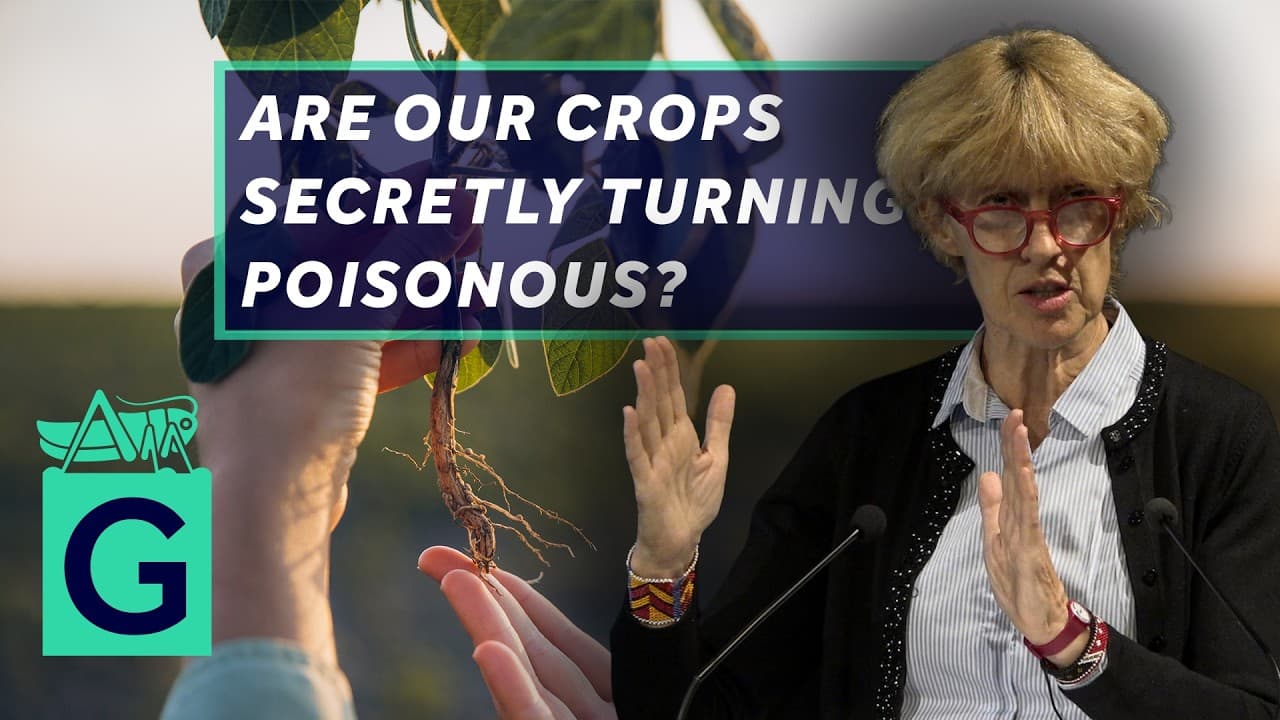
The content discusses the importance of seed sovereignty and the need for diverse seed varieties to combat the effects of drought, heat stress, and mycotoxins caused by climate change.
Transcript
I'm going to start the year then with a story which I hinted at last year but which is something that has been sort of bubbling on the on the back of the stove for quite some time so when you get the transcripts you'll see that I refer to a report that came out in 2016 and it was part of a UN environment report that was looking at the emerging issu... Read More
Key Insights
- 🥺 Climate change and drought lead to plants adapting, which can result in increased toxicity in crops.
- 🧑⚕️ Mycotoxins produced by fungi thrive in drought conditions and contaminate crops, posing health risks to humans and animals.
- 🧑🤝🧑 Traditional seed varieties preserved by indigenous peoples hold the key to future food security and resilience.
- 🌱 Seed sovereignty, the right for farmers to breed and exchange seeds freely, is crucial for ensuring diverse and safe food sources.
Install to Summarize YouTube Videos and Get Transcripts
Explore YouTube Video Summarizer or Get YouTube Transcript Extractor
Questions & Answers
Q: Why did the issue of toxic plants disappear from public awareness after initially causing concern?
After initial attention, the issue of toxic plants was overshadowed by other pressing matters, such as Brexit. However, the importance of food safety cannot be understated, and this topic deserves renewed focus.
Q: How do plants adapt to drought and heat stress?
Plants adapt through various mechanisms like deeper root growth, waxy leaves, and adjusting water loss through evapotranspiration. However, these adaptations can also lead to increased toxicity in plants, making them unsafe for consumption.
Q: How do mycotoxins affect food safety?
Mycotoxins are produced by fungi thriving in drought conditions and can contaminate crops such as corn, cereals, and oilseeds. Exposure to mycotoxins can have detrimental health effects, including cancers and stunted growth.
Q: What is seed sovereignty, and why is it important?
Seed sovereignty refers to the right of farmers to breed and exchange seeds freely. Traditional seed varieties, preserved by indigenous peoples, are vital for ensuring crop diversity and resilience in the face of climate change. Valuing and investing in these seed varieties will safeguard food security in the future.
Summary & Key Takeaways
-
The content highlights the overlooked issue of seed varieties being affected by climate change, leading to increased toxicity in plants and crops.
-
Drought and heat stress cause plants to adapt and become poisonous to humans and animals, leading to food safety concerns.
-
Mycotoxins, produced by fungi thriving in drought conditions, contaminate crops and pose health risks to consumers.
Read in Other Languages (beta)
Share This Summary 📚
Summarize YouTube Videos and Get Video Transcripts with 1-Click
Try YouTube Summary with ChatGPT & Claude or YouTube Transcript Generator
Explore More Summaries from Gresham College 📚


Summarize YouTube Videos and Get Video Transcripts with 1-Click
Try YouTube Summary with ChatGPT & Claude or YouTube Transcript Generator