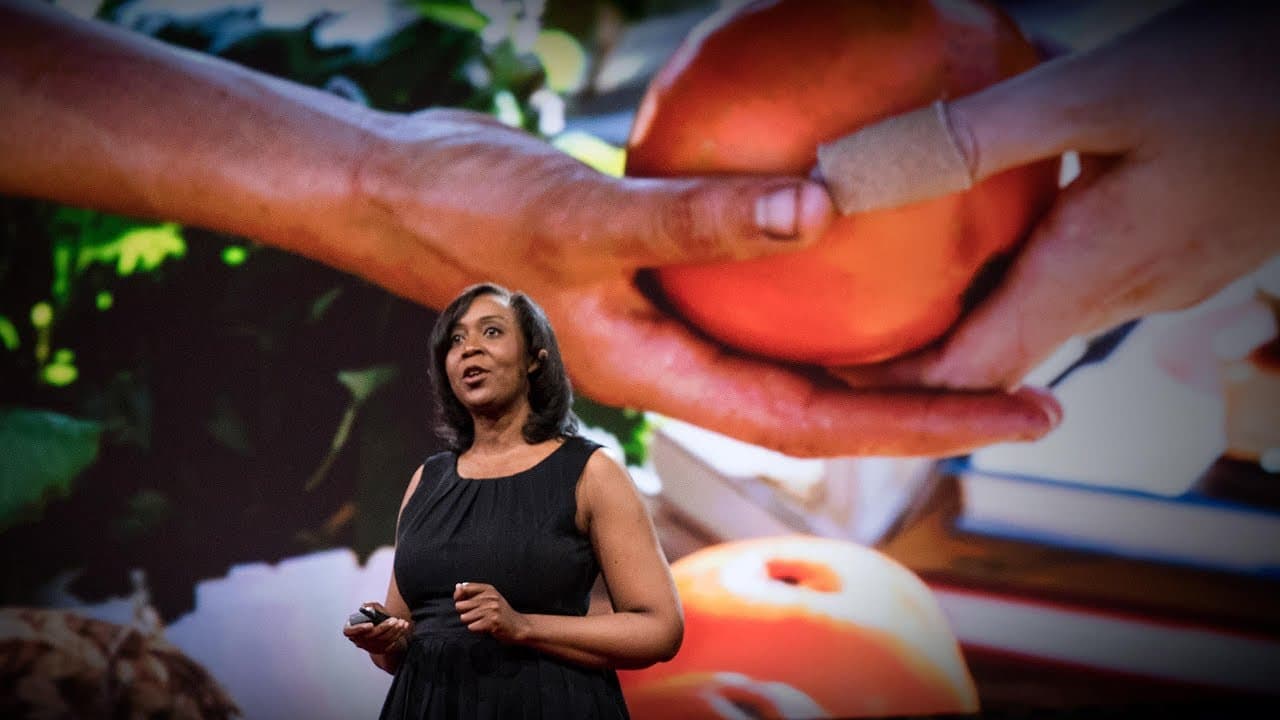
How urban agriculture is transforming Detroit | Devita Davison
TL;DR
This content discusses the transformative power of urban agriculture in Detroit, addressing issues of food scarcity, community empowerment, and economic development.
Transcript
I'm from Detroit. (Applause) A city that in the 1950s was the world's industrial giant, with a population of 1.8 million people and 140 square miles of land and infrastructure, used to support this booming, Midwestern urban center. And now today, just a half a century later, Detroit is the poster child for urban decay. Currently in Detroit, our pop... Read More
Key Insights
- 🌽 Detroit is facing a scarcity of fresh food retail, resulting in high rates of obesity and limited access to nutritious food.
- 🌱 Urban agriculture and food entrepreneurship are transforming Detroit by utilizing its open land, fertile soil, and proximity to water.
- 🍅 Oakland Avenue Farms in Detroit's North End neighborhood combines art, sustainable ecologies, and new market practices to create a unique agricultural landscape.
- 🥕 The Brightmoor neighborhood has used a block-by-block strategy to transform from an underserved community into a lush farmway with parks, gardens, and greenhouses.
- 🌾 Keep Growing Detroit, a nonprofit organization, manages a cooperative called Grown in Detroit where small farmers grow and sell healthy produce without chemicals or pesticides.
- 🍴 Detroit Vegan Soul, a vegan soul food restaurant, is meeting the demand for culturally appropriate, fresh, and delicious food in the city.
- 🛠️ FoodLab Detroit helps neighborhood food entrepreneurs start and scale their businesses, resulting in combined revenue of over $7.5 million and 252 jobs.
- 💪 Urban agriculture and access to healthy food can strengthen the social fabric and create economic opportunities in vulnerable neighborhoods, contributing to a prosperous and inclusive city.
Install to Summarize YouTube Videos and Get Transcripts
Explore YouTube Video Summarizer or Get YouTube Transcript Extractor
Questions & Answers
Q: What is the current population of Detroit?
The current population of Detroit is under 700,000, with 84 percent being African American.
Q: What is the scarcity in Detroit?
There is a scarcity of retail, specifically fresh food retail, resulting in 70 percent of Detroiters being obese and overweight.
Q: What unique assets does Detroit have?
Detroit has open land, fertile soil, proximity to water, willing labor, and a desperate demand for healthy, fresh food.
Q: How many gardens and farms are there in Detroit?
There are over 1,500 gardens and farms located all across the city of Detroit.
Q: How does urban agriculture in Detroit contribute to the community?
Urban agriculture in Detroit focuses on community building and social cohesion, while also providing healthy, fresh food to friends, families, and neighbors.
Q: What is the role of restaurants in increasing healthy food access in Detroit?
Restaurants, particularly culturally appropriate ones like Detroit Vegan Soul, play a crucial role in providing opportunities for Detroiters to eat more plant-based meals and access fresh, delicious food.
Q: How does FoodLab Detroit support small food entrepreneurs?
FoodLab Detroit provides incubation, workshops, technical assistance, and access to industry experts to help small food entrepreneurs start and scale their healthy food businesses.
Q: How do these stories of urban agriculture in Detroit promote hope and resilience?
These stories of urban agriculture in Detroit demonstrate how the city is creating a new society, filled with love, hope, and resilience. Despite past devastation and decay, Detroiters have never given up and continue to fight for a prosperous and inclusive city.
Summary & Key Takeaways
-
Detroit went from being a thriving industrial city to an example of urban decay, with a decline in population and a scarcity of retail, especially fresh food retail.
-
Detroit is transforming itself through urban agriculture and food entrepreneurship, making use of its unique assets, such as open land and fertile soil.
-
There are examples of successful urban agriculture projects in Detroit, including community farms, farmers cooperatives, and culturally appropriate restaurants, that are improving access to healthy, fresh food and creating economic opportunities.
Read in Other Languages (beta)
Share This Summary 📚
Summarize YouTube Videos and Get Video Transcripts with 1-Click
Try YouTube Summary with ChatGPT & Claude or YouTube Transcript Generator
Explore More Summaries from TED 📚






Summarize YouTube Videos and Get Video Transcripts with 1-Click
Try YouTube Summary with ChatGPT & Claude or YouTube Transcript Generator