The Economic Life of the Tortilla
TL;DR
The tortilla is central to Mexican culture and economy, with significant government involvement.
Transcript
in this video we're going to talk about the economic life of the tortilla in Mexico maze or corn as it's called in the United States has long played an extremely important role in Mexico this picture here is from the Mendoza codex and it shows an Aztec mother teaching her daughter how to make tortillas may also played an important role in M Society... Read More
Key Insights
- Maize has been integral to Mexican culture and economy, with deep historical roots and significance in creation myths.
- Government intervention in tortilla production began in 1937, aiming to integrate peasants into the market and ensure affordable staple goods.
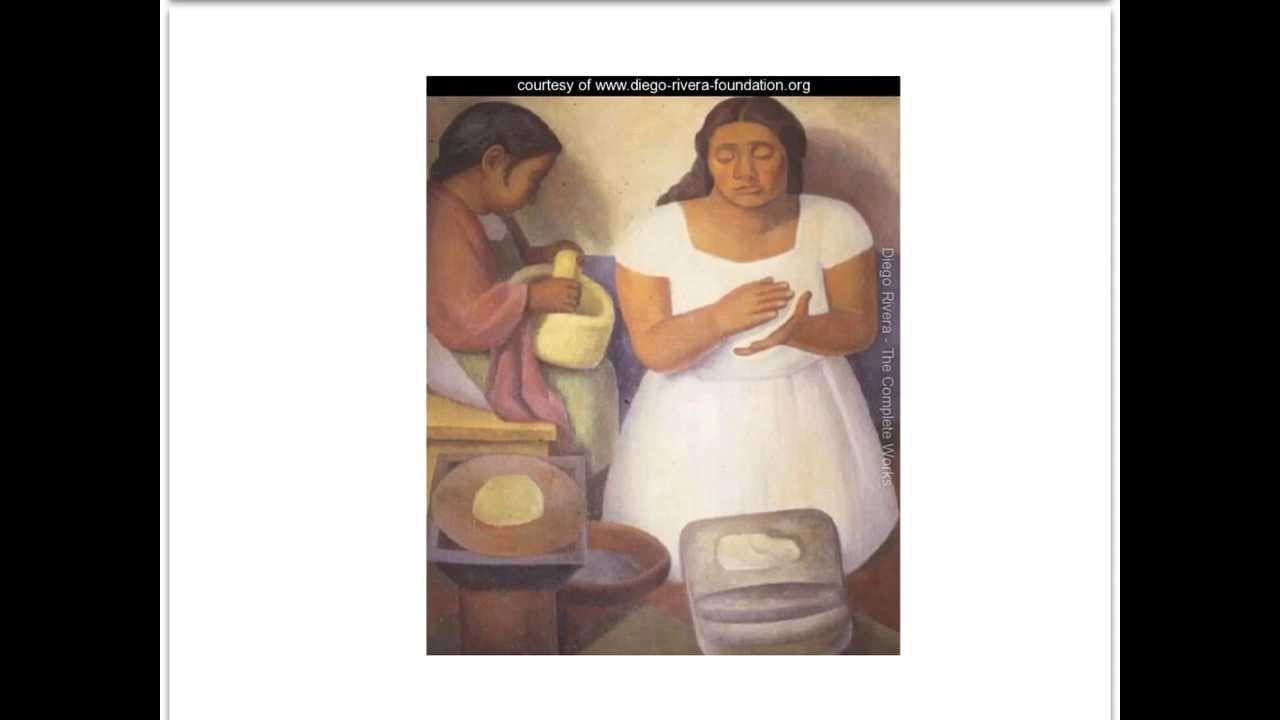
- The tortilla became a symbol of national identity, depicted in art by figures like Diego Rivera.
- The creation of the National Basic Food Agency in 1965 centralized food interventions, impacting several staple crops including corn.
- Economic crises in the 1980s led to changes in government food policies, yet tortilla subsidies remained crucial for low-income households.
- Corruption plagued the government-run food programs, with audits revealing inefficiencies and mismanagement.
- The end of the tortilla subsidy programs in the late 1990s was controversial, influenced by political scandals and economic pressures.
- Rising tortilla prices in the 2000s sparked protests, highlighting issues of monopolistic practices and inadequate antitrust enforcement.
Install to Summarize YouTube Videos and Get Transcripts
Explore YouTube Video Summarizer or Get YouTube Transcript Extractor
Questions & Answers
Q: What historical significance does maize hold in Mexican culture?
Maize is deeply embedded in Mexican culture and history, serving as a central element in creation myths such as those found in the sacred text of the Popol Vuh. The Aztecs and other indigenous groups revered maize as a divine crop, considering it the foundation of human existence and a symbol of cultural identity.
Q: How did the Mexican government initially intervene in tortilla production?
The Mexican government began intervening in tortilla production in 1937 by creating an agency to regulate wheat and other staple crops. This intervention aimed to integrate rural farmers into the market economy, support them with fair prices, and ensure that low-income households had access to affordable staple goods like tortillas.
Q: What role did the National Basic Food Agency play in Mexico's economy?
Established in 1965, the National Basic Food Agency centralized government interventions in the production and distribution of staple crops, including corn. It controlled the prices and distribution of 11 essential crops, making up a significant portion of Mexico's agricultural production. This agency played a key role in maintaining food security and affordability for the Mexican population.
Q: What challenges did the tortilla subsidy programs face?
The tortilla subsidy programs faced significant challenges, including widespread corruption and inefficiency. Audits revealed that a substantial portion of the participants in these programs were ineligible, and there were issues with financial mismanagement. These challenges highlighted the difficulties of maintaining effective government-run food aid programs in a one-party state.
Q: Why was the end of the tortilla subsidy programs controversial?
The end of the tortilla subsidy programs in the late 1990s was controversial due to its impact on low-income households that relied on affordable tortillas as a staple food. The decision was also marred by political scandals, including the imprisonment of a former agency director for embezzlement, which undermined public trust in government interventions.
Q: What sparked protests over tortilla prices in the 2000s?
Protests over rising tortilla prices in the 2000s were sparked by a doubling of costs, which many blamed on factors like U.S. ethanol subsidies, high oil prices, and monopolistic practices by major companies controlling the market. These protests highlighted the economic strain on consumers and the political sensitivity of staple food prices in Mexico.
Q: How did monopolistic practices affect the tortilla market?
Monopolistic practices significantly impacted the tortilla market, with major companies like Gruma controlling a large share of the market. This lack of competition allowed for price manipulation and speculation, contributing to the sharp increase in tortilla prices. The government's inadequate antitrust enforcement further exacerbated the issue, leaving consumers vulnerable to market exploitation.
Q: What were the broader economic implications of tortilla price increases?
The increase in tortilla prices had broader economic implications, as it highlighted the challenges of transitioning from a state-controlled to a market-driven economy. The government's retreat from direct intervention left many sectors susceptible to monopolistic practices, which not only affected food prices but also underscored the need for stronger regulatory frameworks to protect consumers and ensure fair competition.
Summary & Key Takeaways
-
The tortilla holds a significant place in Mexican history and culture, with maize being central to creation myths and national identity. Government intervention began in the 1930s to regulate staple crops and ensure affordable access for the population, integrating rural farmers into the market economy.
-
The Mexican government centralized food interventions in 1965, affecting key crops like corn, which was vital to the economy. Despite economic crises in the 1980s, tortilla subsidies persisted, although corruption and inefficiencies were rampant, as revealed by audits in the 1990s.
-
The discontinuation of tortilla subsidies in the late 1990s was contentious, influenced by political scandals. Protests in the 2000s against rising tortilla prices underscored issues with monopolistic practices and weak antitrust enforcement, reflecting broader economic challenges in Mexico.
Read in Other Languages (beta)
Share This Summary 📚
Summarize YouTube Videos and Get Video Transcripts with 1-Click
Try YouTube Summary with ChatGPT & Claude or YouTube Transcript Generator
Explore More Summaries from Marginal Revolution University 📚

Summarize YouTube Videos and Get Video Transcripts with 1-Click
Try YouTube Summary with ChatGPT & Claude or YouTube Transcript Generator