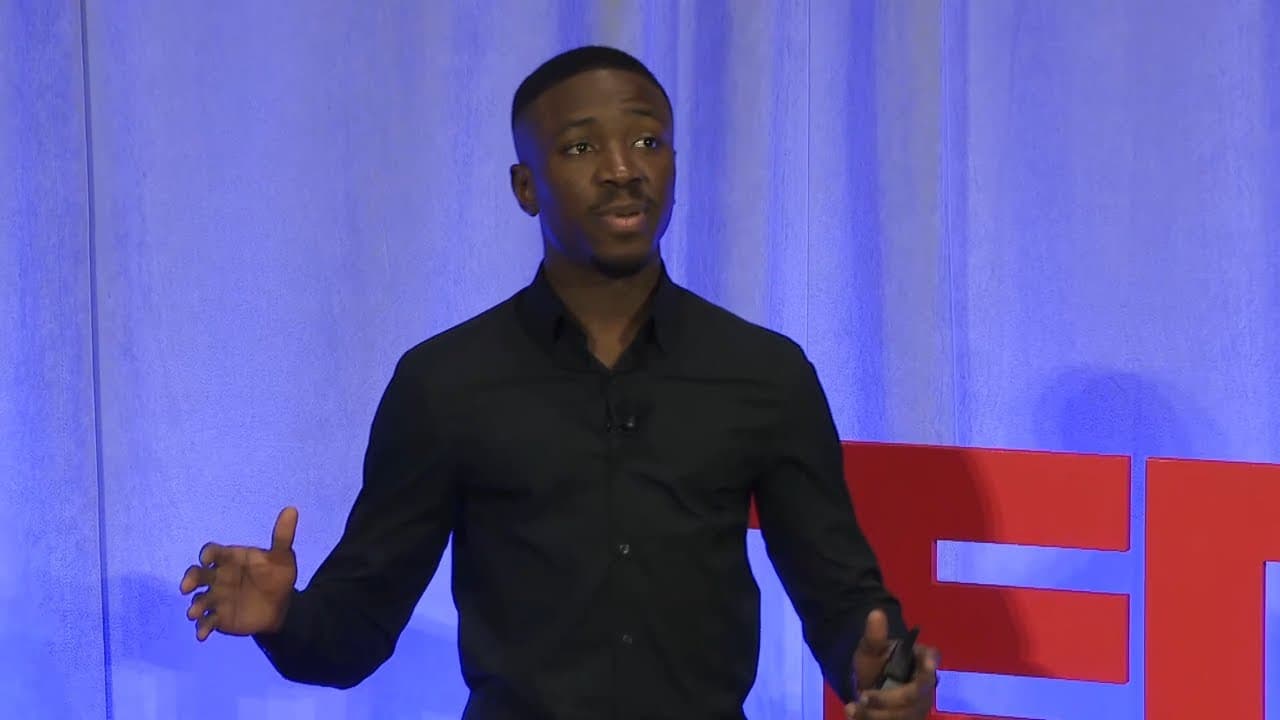
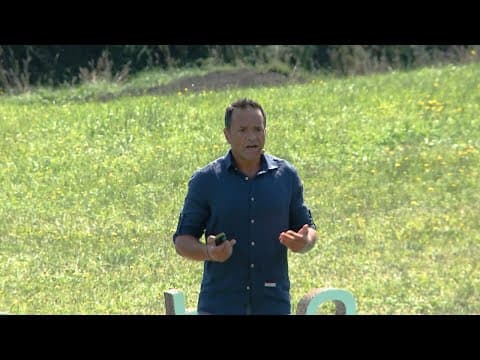
Who really benefits from innovation? A call for sustainable development | Runako Gentles | TEDxMIT
TL;DR
Education is a powerful tool for breaking down barriers and creating opportunities for success, as demonstrated by the personal story of a Jamaican student at MIT.
Transcript
as I take you along this journey that involves my personal story I want you to see the transformative power of education and the urgent need for two words and it's not artificial intelligence a sustainable development ment but before we dive in let me ask you what comes to mind when you think of Jamaica maybe vibrant culture stunning beaches you sa... Read More
Key Insights
- 🖐️ Education plays a transformative role in breaking down barriers and creating opportunities for success, especially for marginalized communities.
- ♻️ Innovation often prioritizes the privileged few at the expense of marginalized communities and the environment.
- 🥺 Industrial practices, such as bauxite mining and cobalt production, can lead to environmental degradation and exploitation.
Install to Summarize YouTube Videos and Get Transcripts
Explore YouTube Video Summarizer or Get YouTube Transcript Extractor
Questions & Answers
Q: How did the author overcome the challenges they faced growing up in Jamaica?
The author's determination and resilience helped them push through cycles of poverty, crime, and systemic barriers, allowing them to pursue their ambitions and eventually study at MIT.
Q: Why does the author believe that innovation often benefits the privileged few at the expense of marginalized communities?
The author argues that innovation, especially in the form of artificial intelligence, tends to prioritize the needs and interests of privileged nations and communities, often leaving marginalized communities to deal with the negative consequences.
Q: What are some examples of environmental injustices caused by industrial practices?
The author mentions the environmental degradation caused by bauxite mining in Jamaica, leading to the contamination of groundwater and displacement of communities. They also highlight the exploitation of workers in the cobalt mining industry in the Democratic Republic of Congo.
Q: How can education contribute to sustainable development?
The author believes that by integrating sustainable development into core curriculums and teaching students about the social, economic, and environmental dimensions of innovation, educational institutions like MIT can equip the next generation to address real-world challenges and work towards a more just and sustainable world.
Summary & Key Takeaways
-
The content highlights the resilience and determination of Jamaican people, including the author, who overcame poverty, crime, and systemic barriers to achieve their ambitions.
-
It emphasizes the importance of hope and the urgent need for sustainable development to address injustices caused by innovation.
-
The content discusses the negative consequences of industrial practices, such as bauxite mining in Jamaica and cobalt production in the Democratic Republic of Congo, and questions the cost of pursuing certain innovations.
Read in Other Languages (beta)
Share This Summary 📚
Summarize YouTube Videos and Get Video Transcripts with 1-Click
Try YouTube Summary with ChatGPT & Claude or YouTube Transcript Generator
Explore More Summaries from TEDx Talks 📚


Summarize YouTube Videos and Get Video Transcripts with 1-Click
Try YouTube Summary with ChatGPT & Claude or YouTube Transcript Generator