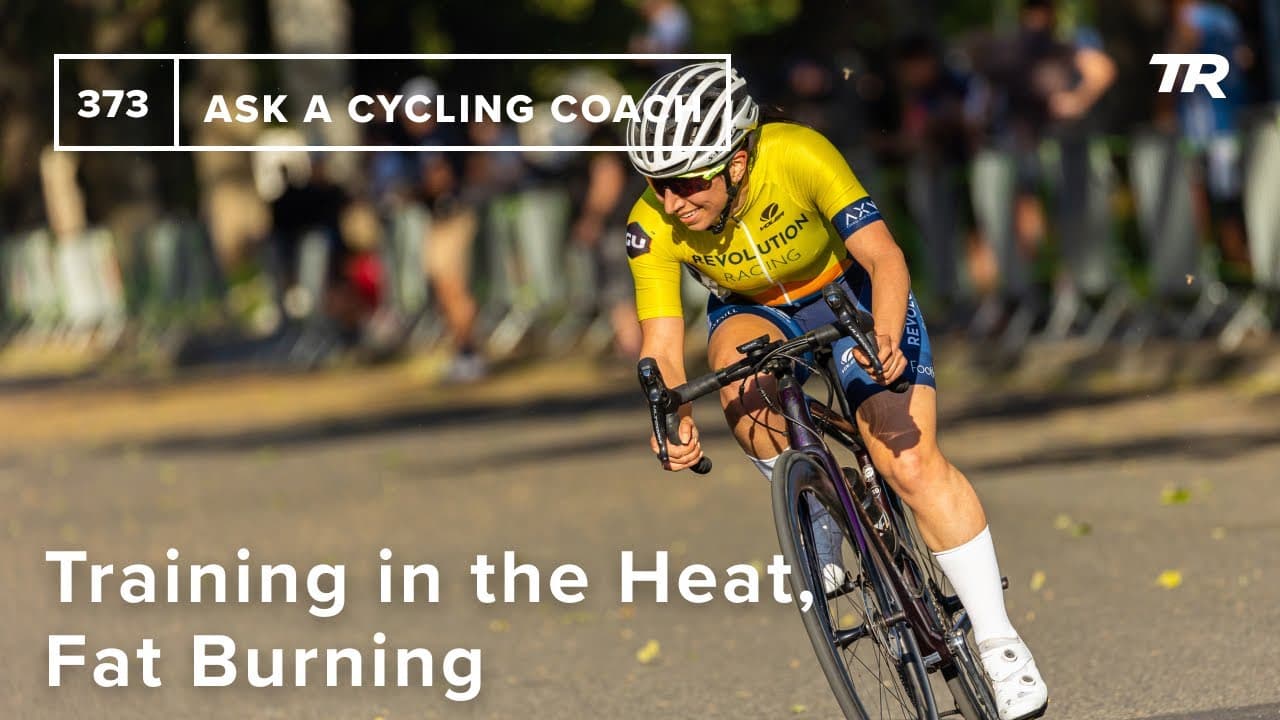
Training in the Heat, Fat Burning, and More – Ask a Cycling Coach 373
TL;DR
Fat adaptation may be beneficial for ultra-endurance athletes in terms of increased fat oxidation, but it may also lead to reduced aerobic efficiency and decreased performance outcomes.
Transcript
Welcome to the podcast. It's dedicated to making you a faster cyclist. Ask a cycling coach podcast presented by trainer road. I'm coach Jonathan Lee with our head coach, Chad Timmerman. Hi everybody. Squibb bikes, Ivy drain. Hi. And our CEO Nate Pearson. Hello, this is gonna be a fun crew. I'm excited. Uh, today we are going to answer quite a few q... Read More
Key Insights
- 👨 Fat adaptation may lead to increased fat oxidation but at the expense of decreased aerobic efficiency and impaired carbohydrate utilization.
- 👨 Individual responsiveness to fat adaptation varies, and it is crucial to consider event demands and personal experiences.
Install to Summarize YouTube Videos and Get Transcripts
Explore YouTube Video Summarizer or Get YouTube Transcript Extractor
Questions & Answers
Q: Should ultra-endurance athletes pursue fat adaptation for improved performance during long-distance events?
Fat adaptation may be beneficial for some ultra-endurance athletes, but it is not a one-size-fits-all strategy. Individual responsiveness to fat adaptation varies, and it may lead to reduced carbohydrate oxidation and aerobic efficiency.
Q: Is it beneficial to do long, slow rides in a fasted state to encourage fat adaptation for ultra-distance events?
While fasted rides may help promote fat adaptation, it is important to consider individual event demands and personal experiences. There are trade-offs involved, and it is essential to ensure adequate carbohydrate intake for performance and recovery.
Q: What are the potential drawbacks of fat adaptation for ultra-endurance athletes?
Fat adaptation may result in decreased aerobic efficiency, impaired muscle glycogen utilization, and reduced performance outcomes. It may also limit the ability to metabolize sufficient carbohydrates for optimal performance.
Summary & Key Takeaways
-
Fat adaptation involves modifying the diet to increase fat metabolism and decrease reliance on carbohydrates.
-
Short-term fat adaptation can lead to increased fat oxidation and improved muscle glycogen sparing.
-
However, fat adaptation may impair the muscle's ability to use glycogen for oxidative fats, resulting in reduced aerobic efficiency and performance outcomes.
-
Individual responsiveness to fat adaptation varies, and it is important for athletes to assess their event characteristics and personal experiences before embarking on a fat adaptation diet.
Read in Other Languages (beta)
Share This Summary 📚
Summarize YouTube Videos and Get Video Transcripts with 1-Click
Try YouTube Summary with ChatGPT & Claude or YouTube Transcript Generator
Explore More Summaries from The Ask a Cycling Coach Podcast 📚





Summarize YouTube Videos and Get Video Transcripts with 1-Click
Try YouTube Summary with ChatGPT & Claude or YouTube Transcript Generator